New Mexico / Southwest
San Juan River
A below-Navajo-Dam San Juan report for Quality Water trout, technical midge fishing, release checks, access, regulations, and trip planning.
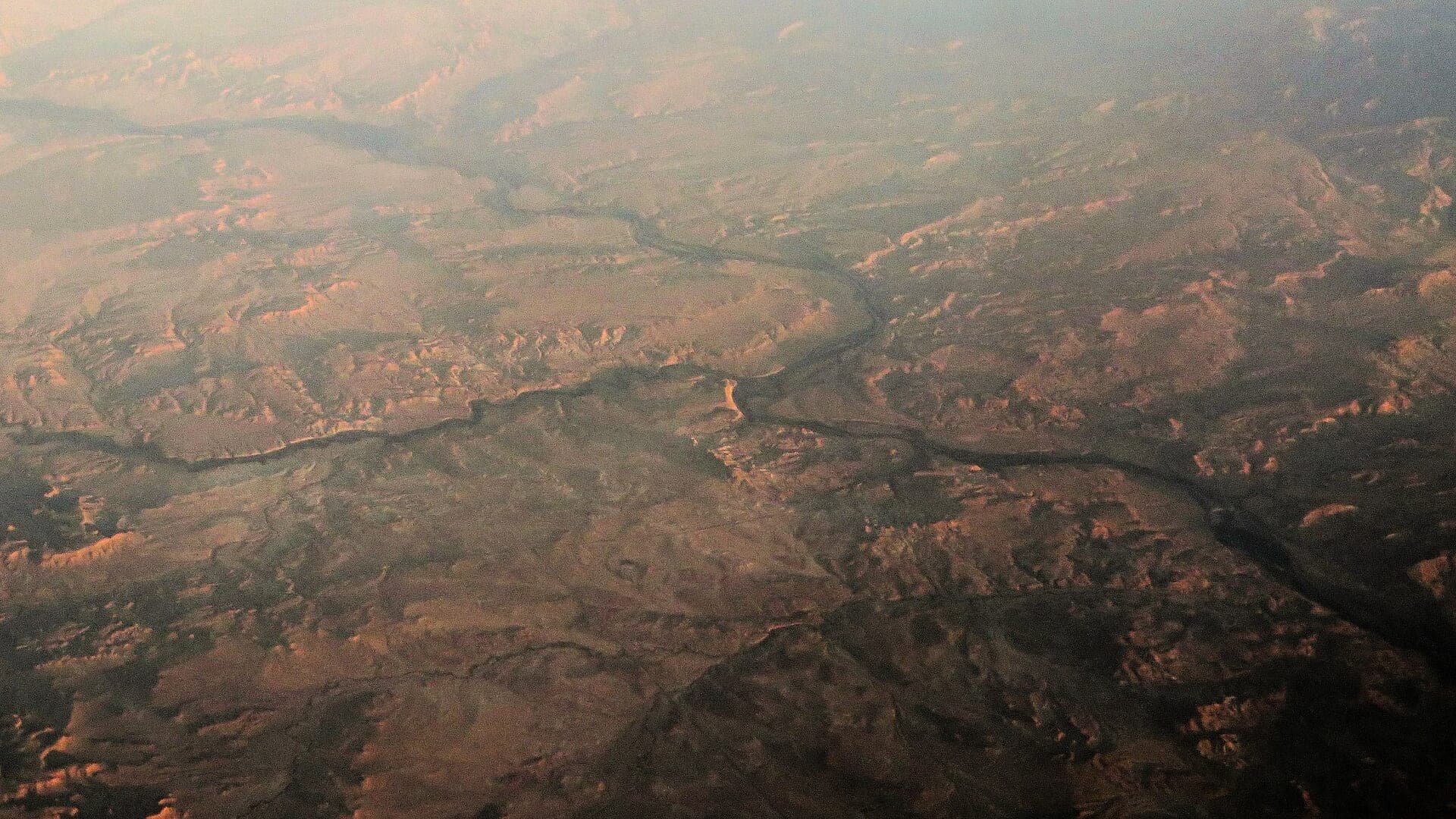
Image: Confluence of Mancos and San Juan Rivers, Four Corners Region, New Mexico (14518426023) / CC BY-SA 2.0 / Ken Lund from Reno, Nevada, USAFishability now: San Juan River fishability today
GreatData confidence: High96/100
Fishable now because the live gauge is falling, weather is usable, and no public alert is active.
Flow observed
4:15 PM UTC
Weather observed
5:00 PM UTC
Score calculated
5:25 PM UTC
Why this rating
Flow
Water temperature
Public alerts
Next 6-12 hours
Improving / hold
A falling gauge and usable weather should keep the next 6-12 hours in play unless tributaries stain or heat builds.
USGS flow
870 cfs
Current trend: flow falling, rating likely holding strong unless weather or clarity changes.
More planning details: flies, flow bands, and live source checks
Fish it today
Start here
Start with the Archuleta gauge, NMDGF rules, and Navajo Lake State Park notices. Pick one access area, rig small midge/BWO options, and carry a backup plan for crowds.
Best flow clue
Use RiverReports Archuleta and USGS 09355500 as the primary release trend, then compare current Navajo Dam and state-park context before choosing a wade depth or boat day.
Skip trigger
Skip exposed wading when releases rise, weeds make footing and drifts poor, winter weather adds ice risk, or the Quality Water rule and access boundary are not clear.
Flow decision bands
Low and technical
Lower steady tailwater flow can still fish well, but tiny flies, longer drifts, weeds, and crowd spacing matter more than covering distance.
Best Archuleta release
Stable release with clear cold water is the cleanest signal for midges, BWOs, small nymphs, and deliberate technical trout fishing.
Pushy, weedy, or rising
A release rise, heavy weeds, or current that removes safe footing should move the day to another access style or another river.
Crowd or rule pressure
A fishable graph still becomes a poor San Juan day when Quality Water rules are unclear or the obvious flats and day-use water are already overcrowded.
USGS flow
870 cfs
Current trend: flow falling, rating likely holding strong unless weather or clarity changes.
Live USGS flow
870 cfs / falling about 15%
Live NWS forecast
77F / Mostly Sunny
Live water temperature
46F from USGS
No NWS alert flag
No active NWS alert was returned for this forecast point.
Use the Archuleta gauge and release context before choosing a wade or boat plan.
Quality Water rules and tackle limits matter, so check the current New Mexico rule book.
Start with midges and BWOs, then adjust to fish behavior and water clarity.
Crowds are part of the fishery; have a section, timing, and etiquette plan before arriving.
Editorial review
How this report is maintained
This report is maintained from current regulation, access, flow, weather, and public planning sources so anglers can make better trip decisions than a raw gauge or generic overview would allow.
Byline
BlueStreamFly editorial team
Reviewed by
BlueStreamFly source review
Maintained by
Mountain Brook Run LLC
Last material review
2026-05-31
Report confidence
High confidence
91/100
High confidence: RiverReports, USGS flow, New Mexico rules, Navajo Lake State Park access, the San Juan easement map, NMDGF information, and weather support the page. Confidence is moderated by release timing, weeds, and local crowding.
Regulations
New Mexico fishing rules and general regulations support the Quality Water and Special Trout Water checks for the selected reach.
Access
Navajo Lake State Park and the San Juan Fishing Easement WMA map provide strong public-access planning anchors.
Flow and weather
RiverReports San Juan near Archuleta, USGS 09355500, and the National Weather Service point provide a strong live planning set.
Fishing usefulness
The page now separates release timing, technical drift quality, crowd management, mapped access choice, and backup-water decisions.
Fishability dashboard and source review
2026-05-31 / material content or source review
RiverReports San Juan near Archuleta, USGS 09355500, New Mexico fishing rules, Navajo Lake State Park access, the San Juan Fishing Easement WMA map, NMDGF fisheries information, and the National Weather Service point were checked before updating the current-fishability decision layer.
2026-05-31
Updated San Juan River to the current fishability-page standard with release-aware flow bands, access cards, backup cues, stable fishability SEO, and confidence signals.
2026-05-29
Added San Juan River trip-fit guidance, Archuleta gauge framing, Quality Water and easement reminders, release and crowd planning, technical midge/BWO tactic nuance, backup-water suggestions, editorial review signals, and a page-specific report-confidence meter after source review.
2026-05-24
Initial source-reviewed report published with flows, weather, hatches, flies, tactics, access, regulations, and FAQs.
Angler planning edge
Local details that change the plan
Best for
Tailwater trout anglers planning around Navajo Dam releases, Quality Water rules, and small-fly presentation demands, Year-round New Mexico trout trips where stable cold water matters more than covering miles of freestone water, Wade or boat days that need a release check, access plan, crowd plan, and tiny-fly rig before leaving town, Anglers who can fish light tippet, long drifts, and patient midge or BWO presentations without crowding other lanes
Wade or float
Treat the San Juan as a technical tailwater first. Wading, bank fishing, and boat plans can all work, but releases, weeds, etiquette, and the exact access area decide what is safe and useful.
Best flows
Use RiverReports Archuleta and USGS 09355500 as the primary release trend, then compare current Navajo Dam and state-park context before choosing a wade depth or boat day.
When to skip
Skip exposed wading when releases rise, weeds make footing and drifts poor, winter weather adds ice risk, or the Quality Water rule and access boundary are not clear.
Local plan
Start with the Archuleta gauge, NMDGF rules, and Navajo Lake State Park notices. Pick one access area, rig small midge/BWO options, and carry a backup plan for crowds.
Pressure
Pressure is part of this fishery. Texas Hole, flats, and easy day-use access can be busy, so early timing, polite spacing, and a second section matter.
Access nuance
Navajo Lake State Park and the San Juan Fishing Easement WMA map are the planning anchors. Do not treat every bank trail or informal path as open access.
Backup water
If the San Juan is crowded, weedy, or release-complicated, compare the Chama, Pecos, or Cimarron reports before forcing a technical tailwater day.
About the river
Setting, character, and why it fishes the way it does.
The San Juan River below Navajo Dam is a high-desert tailwater with famously cold, food-rich water. The first miles below the dam are managed as special trout water and draw anglers from far beyond New Mexico.
This fishery is different from nearby freestone streams. Trout see steady pressure, tiny aquatic insects, long drifts, and many rigs every season, so presentation quality matters as much as pattern name.
A good San Juan report should help you decide how to fish carefully: check the release, know the special rules, plan around access and crowds, and carry the right small-fly system for the day.
Target species
Rainbow trout
The primary tailwater target, often feeding on tiny midges and mayflies.
Brown trout
Present and often better on structure, low light, and streamer or nymph windows.
Cutthroat trout
Possible in the managed tailwater context; handle all trout carefully.
Native lower-river fish
Lower San Juan conservation context differs from the trout tailwater; check rules before changing reaches.
Reading the water
Stable release
Fish long midge or BWO drifts, adjust depth, and work feeding lanes patiently.
Higher release
Use heavier rigs, protected edges, and avoid unsafe crossings.
Low clear water
Use smaller flies, lighter tippet, and longer leaders with clean presentations.
Weedy water
Clean flies often and fish lanes where rigs can drift without fouling.
Best seasons
Winter
Midge fishing can be steady, but cold weather and subtle takes demand patience.
Spring
Midges, BWOs, and release changes shape most good windows.
Summer
Cold releases keep trout options open, but crowds and weeds can matter.
Fall
Cooler weather, BWOs, streamers, and lighter pressure can improve the day.
Preferred flow source
San Juan River near Archuleta
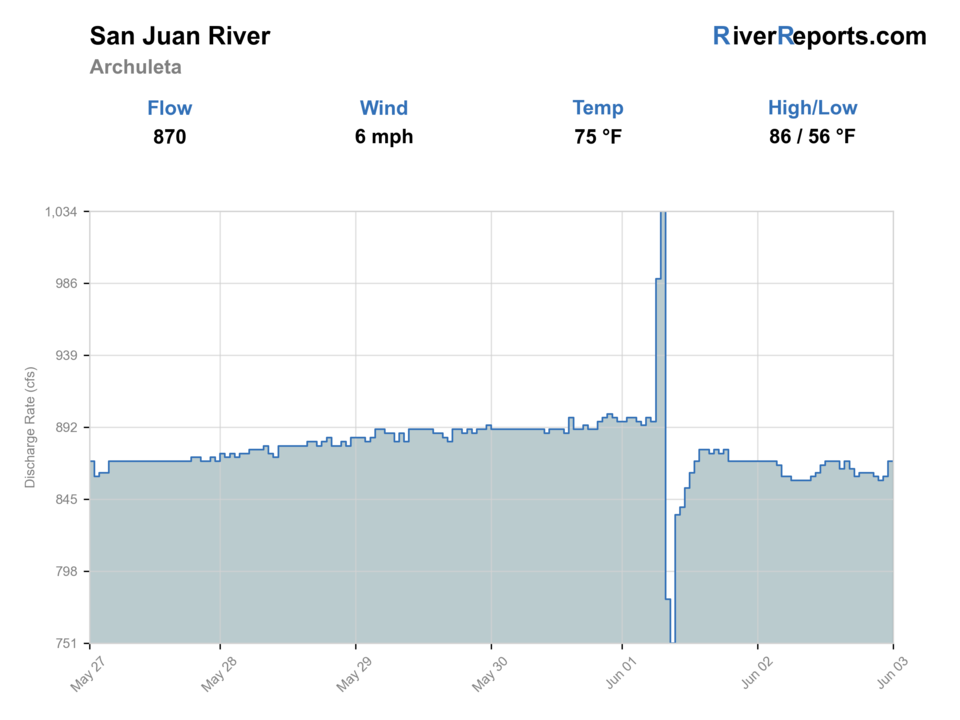
RiverReports is the preferred chart source when coverage exists. When a matching USGS gauge exists, keep it open as the official backstop for station data and current hydrograph context.
USGS data chart
Official USGS trend
Streamflow over the latest USGS reporting window.
Latest
870 cfs
Jun 3, 4 PM UTC
Weather
River weather report
Weather can change wading safety, road access, water temperature, hatches, and the best time of day to fish.
Live forecast loads as you reach this section
This keeps the report fast while still using the official National Weather Service forecast point.
Hatches and flies
Hatch chart and fly picks
March to April
Midges, BWOs, early caddis, and small stoneflies
Zebra midge, RS2, BWO emerger, caddis pupa, small black stonefly
May to June
Caddis, PMDs, yellow sallies, golden stones, and runoff-edge bugs
Elk hair caddis, PMD emerger, yellow sally, Pat's rubber legs, hare's ear
July to September
Terrestrials, caddis, tricos, midges, and small mayflies
Foam ant, beetle, hopper-dropper, trico spinner, parachute Adams
October to winter
Midges, BWOs, eggs where legal, leeches, and low-light streamer windows
Midge pupa, BWO, egg pattern where legal, leech, small sculpin
Nymphs
Pheasant tail, hare's ear, caddis pupa, zebra midge, perdigon
Use when fish are low, current is broken, or the hatch has not started yet.
Dry flies
BWO, caddis, parachute Adams, sulphur, terrestrial
Use when fish rise, bugs collect in soft seams, or summer banks have shade.
Streamers
Sculpin, leech, woolly bugger, small baitfish
Use in stain, cloud cover, higher water, or deeper edge water.
Soft hackles
Partridge and orange, pheasant tail soft hackle, caddis soft hackle
Swing riffles, tailouts, and current tongues when insects are moving.
Tactics
How to fish it
Start with a two-fly midge or BWO rig when rules allow, then adjust depth before changing patterns.
Use small indicators, long drifts, and careful mends through slow slicks and flats.
Fish streamers or leeches in low light, on edges, or when releases add movement.
Watch other anglers' spacing and avoid stepping into active feeding lanes.
Carry a thermometer and landing net even though the tailwater is cold; quick handling still matters.
Rigging
Rod, leader, and setup notes
A 5-weight rod with a floating line covers most San Juan nymph and dry-fly work.
Use 5X to 7X for small midge and BWO presentations, depending on water clarity and fish pressure.
Carry tiny split shot, yarn or small indicators, and fluorocarbon tippet for technical drifts.
Bring a 6-weight if you plan to fish heavier streamers or windy open water.
Use barbless hooks and know the special water tackle limits before tying on multiple flies.
Access
Access and planning notes
Archuleta gauge and upper tailwater check
Primary release decisionWade / float / trail
Gauge / wade scout
When to pick it
Start here when the release trend and current weed load decide whether the San Juan should be the main trout plan.
Caution
A good release number does not remove weed, etiquette, or access-pressure problems.
Texas Hole and flats corridor
Classic wade sessionWade / float / trail
Walk-and-wade
When to pick it
Pick it when you want the best-known public tailwater access and are ready to fish patiently around other anglers.
Caution
Pressure and etiquette matter here; do not assume famous water guarantees a good drift.
State park and easement corridor
Backup public-access planWade / float / trail
Walk-and-wade / scout
When to pick it
Use it when you need a second legal access zone after checking the easement map and current state-park conditions.
Caution
Do not treat every bank trail as open access without checking the easement and park framework.
Navajo Lake State Park manages key river access, day-use areas, camping, and visitor logistics.
Do not assume every bank or trail is open in the same way; check current state park notices.
Cold tailwater and slick vegetation can make simple wades risky, especially in winter.
Regulations
Check before fishing
New Mexico lists the San Juan below Navajo Dam as Special Trout Water with Quality Water rules and tackle limits. Check the current NMDGF rule book and state park notices before fishing.
Primary base
Navajo Dam, Aztec, Bloomfield, or Farmington
Best day style
Tailwater day-use areas, trails, boat/wade plans, and managed special-regulation water
Check first
Dam release, Quality Water rules, state park alerts, weather, and crowd plan
Safety
Cold tailwater, release changes, slick weeds, crowding, and winter/monsoon weather
Gear
Helpful gear for this water
4-weight or 5-weight rod
Covers most dry-fly, nymph, and light streamer work.
Long leaders
Clear water and pressured fish reward 9 to 12 foot leaders.
Wading staff
Freestone ledges, tailwater shelves, and slick rocks can be risky.
Thermometer
Use it before trout handling during warm spells.
Polarized glasses
Help read depth, boulders, weed beds, and safe crossing lines.
Nearby water
Other water to research
Backup logic
High release or poor footing
Switch to another legal bank section or compare the Chama or Pecos rather than forcing a bad wade.
Crowding
Move to a second mapped access zone or another river before the tailwater turns into a shoulder-to-shoulder session.
Weeds or poor drifts
Treat heavy weed fouling as a fishability limiter and simplify to another reach or another river.
Rule confusion
Treat unclear Quality Water or access-boundary details as a stop signal and reset the plan before fishing.
Chama River
A northern New Mexico canyon river with more release and access logistics.
Pecos River
A mountain freestone option near Santa Fe and Pecos Canyon.
Cimarron River
A smaller canyon tailwater below Eagle Nest Dam.
FAQ
Fast answers
Is San Juan River fishable today?
San Juan River looks very fishable right now. The live score is 96/100, based on current flow, weather, public alerts, and the report's planning context. Recheck the linked gauge and forecast before leaving because conditions can change quickly after rain, heat, access changes, or flow swings.
What flow is best for San Juan River?
Use RiverReports Archuleta and USGS 09355500 as the primary release trend, then compare current Navajo Dam and state-park context before choosing a wade depth or boat day.
When should I skip San Juan River?
Skip exposed wading when releases rise, weeds make footing and drifts poor, winter weather adds ice risk, or the Quality Water rule and access boundary are not clear.
Is San Juan River safe to wade right now?
The fishability score is not a wading guarantee. Wade only where your chosen access has safe edges, clear footing, legal entry, and no forced crossings; high, rising, stained, or storm-affected water should be treated conservatively.
What should I check first before fishing the San Juan River?
Check the Navajo Dam release, Archuleta gauge, Quality Water rules, state park notices, and the NWS forecast.
Are there special regulations on the San Juan River?
Yes. The Quality Water and Special Trout Water rules are central to fishing this river legally.
What flies should I bring for the San Juan River?
Bring the hatch-chart flies, a small nymph box, and a few streamers. Then adjust for water temperature, clarity, pressure, and the insects or baitfish you actually see.
Can I wade the San Juan River?
Yes in many tailwater areas, but releases, weeds, and cold water make conservative wading important.
When should I skip the San Juan River?
Skip it when flows are unsafe, water is too warm for trout, emergency closures are active, or legal access for the reach is not clear.
Sources
Source set for this report
Reviewed 2026-05-31