Pennsylvania / Northeast
Pine Creek
A practical Pine Creek report for flows, hatches, flies, access, and trip planning through the north-central Pennsylvania gorge corridor.
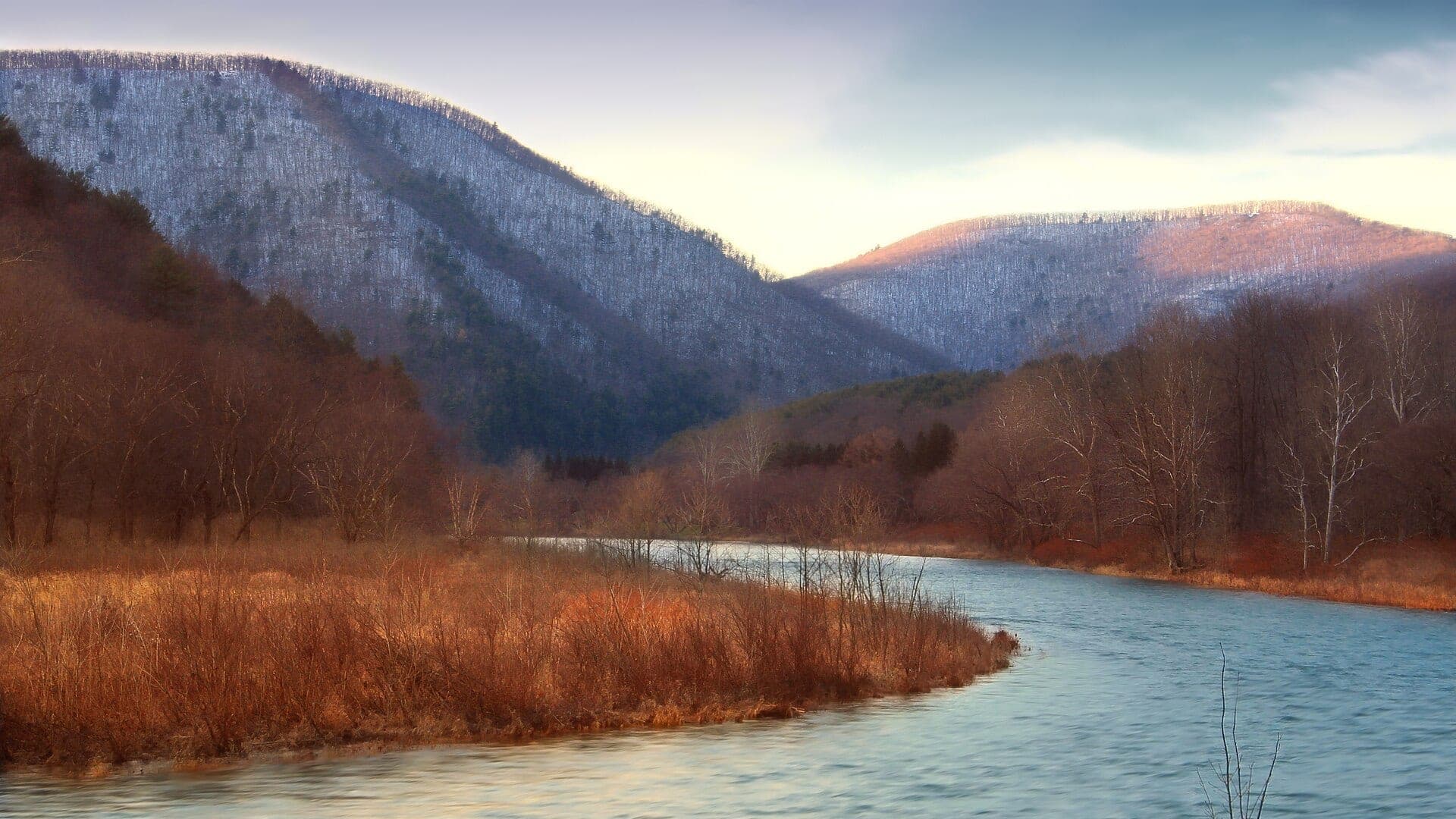
Image: Pine Creek Pennsylvania Bend / CC BY 2.0 / Nicholas A. TonelliFishability now: Pine Creek fishability today
GreatData confidence: High91/100
Fishable now because Cedar Run gauge is falling, weather is usable, and no public alert is active.
Flow observed
3:15 PM UTC
Weather observed
4:00 PM UTC
Score calculated
4:18 PM UTC
Why this rating
Flow
Weather
Public alerts
Next 6-12 hours
Improving / hold
A falling gauge and usable weather should keep the next 6-12 hours in play unless tributaries stain or heat builds.
USGS flow
469 cfs
Current trend: flow falling, rating likely holding strong unless weather or clarity changes.
More planning details: flies, flow bands, and live source checks
Fish it today
Start here
Pick the access style before picking flies: Cedar Run for gauge-area checks, Slate Run for a central gorge base, Blackwell for longer trail-linked exploration, and Big Meadows/Ansonia when you need the upper water-trail access context.
Best flow clue
Use the Cedar Run gauge trend more than a single magic number. Stable or slowly falling water is the most useful fly-fishing window; rising, stained, or pushy water should move you to bank work, streamers, or a safer plan.
Skip trigger
Skip trout fishing when water temperatures are stressful, crossings are unsafe, thunderstorms or muddy tributaries are affecting the corridor, or current PFBC reach rules do not match your plan.
Flow decision bands
Low but fishable
Clear, skinny water can still fish, but use longer leaders, lighter rigs, low-light windows, and a thermometer before pressuring trout.
Best wading window
Stable or slowly falling water at Cedar Run is the best starting point for dry-dropper, soft-hackle, nymph, and careful streamer plans.
Pushy or unsafe
Fast rises, stained water, or current that makes crossings uncertain should move the plan to bank edges, safer pullouts, or another day.
Likely stained after storms
Thunderstorms and muddy tributaries can change one gorge reach before another, so pair the gauge trend with water color at your access.
USGS flow
469 cfs
Current trend: flow falling, rating likely holding strong unless weather or clarity changes.
Live USGS flow
476 cfs / falling about 30%
Live NWS forecast
77F / Sunny
Water temperature not verified
Heat guidance uses weather and river type unless an official water-temperature value is available.
No NWS alert flag
No active NWS alert was returned for this forecast point.
Use the Cedar Run gauge before choosing a reach or wading plan.
Carry a thermometer in late spring and summer; warm water should change the plan.
Expect spring hatches to drive the most classic dry-fly windows.
If the creek is high or stained, fish edges, softer inside seams, and streamer water instead of heavy mid-channel current.
Editorial review
How this report is maintained
This Pine Creek report combines official regulation, flow, weather, access, and fisheries-management sources with angler-focused planning guidance. Public review dates change only after material source review or content improvements.
Byline
BlueStreamFly editorial team
Reviewed by
BlueStreamFly source review
Maintained by
Mountain Brook Run LLC
Last material review
2026-05-28
Report confidence
High confidence
84/100
Strong Pennsylvania regulation, USGS flow, weather, and DCNR access sources support this Pine Creek report. Confidence is moderated by the size of the gorge corridor, one main gauge covering many reaches, and the need to pair the flow reading with temperature and local conditions.
Regulations
PFBC regulation pages and commission sources give a current rule-check path for Pine Creek trips.
Flow support
USGS 01548500 at Cedar Run is the right anchor, but Pine Creek is a long corridor and tributaries can change reach-to-reach conditions.
Access support
DCNR trail and water-trail sources support the public-access framework and major corridor planning points.
Weather and safety
The weather source is linked and the report calls out temperature stress, storms, muddy tributaries, and unsafe crossings.
Angler usefulness
The page separates bike-and-fish, wade, gauge, pressure, access, and backup-water decisions in plain English.
Editorial review
A public correction path, source standards page, and public review history are included.
Reviewed planning update
2026-05-28 / material content or source review
PFBC regulations and Pine Creek fisheries-management material, USGS Cedar Run gauge information, NWS Cedar Run forecast data, and DCNR Pine Creek trail and water-trail access sources were rechecked before adding a public confidence score to the existing planning guidance.
2026-05-28
Added a page-specific report-confidence meter after rechecking Pine Creek regulation, flow, weather, and corridor-access support.
2026-05-25
Added best-use fit, wade/float guidance, safe-flow framing, when-to-skip notes, pressure timing, access nuance, backup-water planning, and explicit editorial/correction signals after source review.
2026-05-24
Initial source-reviewed report standard published with flow, weather, hatches, flies, tactics, access, regulations, gear, nearby water, FAQs, and source set.
Angler planning edge
Local details that change the plan
Best for
Spring hatch and soft-hackle fishing on a large freestone stream, Bike-and-fish access days along the gorge corridor, Streamer or nymph plans when water has enough color but remains safe, Late-season trout or warmwater pivots when temperatures and regulations allow
Wade or float
Treat Pine Creek as a walk-and-wade or bike-and-fish report first. Float and paddle plans need a separate safety check because DCNR water-trail guidance is built around boating access and stage, not a blanket trout-wading recommendation.
Best flows
Use the Cedar Run gauge trend more than a single magic number. Stable or slowly falling water is the most useful fly-fishing window; rising, stained, or pushy water should move you to bank work, streamers, or a safer plan.
When to skip
Skip trout fishing when water temperatures are stressful, crossings are unsafe, thunderstorms or muddy tributaries are affecting the corridor, or current PFBC reach rules do not match your plan.
Local plan
Pick the access style before picking flies: Cedar Run for gauge-area checks, Slate Run for a central gorge base, Blackwell for longer trail-linked exploration, and Big Meadows/Ansonia when you need the upper water-trail access context.
Pressure
Expect the easiest road and trail access to draw the most spring and weekend attention. A bike or longer walk can matter more than changing flies when the obvious pullouts are busy.
Access nuance
The rail trail makes Pine Creek feel more open than it really is, but public access still has boundaries. Stay on legal access, respect private cabins and posted land, and use high-water bank plans instead of forcing midstream crossings.
Backup water
If the main stem is too high, warm, or crowded, research Little Pine Creek, Cedar Run, or Slate Run only after checking current rules and access. If temperatures are the issue, switch species, move to colder legal water, or wait for better conditions.
About the river
Setting, character, and why it fishes the way it does.
Pine Creek is the best-known water in Pennsylvania's Pine Creek Gorge region. The corridor combines a large freestone stream, forested valley walls, small towns, and long public recreation routes.
The Pine Creek Rail Trail follows the gorge corridor and is one of the most useful planning features for anglers because it creates long stretches of practical foot and bike access.
The Cedar Run USGS station is the key flow reference for this page. USGS lists the station on the left bank near the highway bridge at Cedar Run, with a 604-square-mile drainage area.
Target species
Brown trout
A primary trout target where water temperature, reach, and regulations support trout fishing.
Rainbow trout
Present in stocked and managed trout opportunities; check the current PFBC rules for the exact reach.
Brook trout
More relevant in colder tributary and headwater-influenced water than in every main-stem reach.
Warmwater species
Lower and warmer reaches can shift away from trout-first planning, especially during summer.
Reading the water
Low and clear
Lengthen leaders, reduce weight, fish early or late, and avoid unnecessary wading through likely holding water.
Stable medium flow
This is the most flexible window: dry-dropper rigs, nymphs, soft hackles, and hatch-matching dries can all be useful.
Rising or stained
Focus on banks, slow seams, and streamers. Skip unsafe crossings and avoid pushing into fast mid-channel water.
Warm water
Check temperature before fishing for trout. If temperatures are unsafe, switch species, fish colder tributaries where legal, or wait for cooler conditions.
Best seasons
Spring
The most important trout window for classic mayfly and caddis activity. Watch high water after rain and snowmelt.
Early summer
Morning and evening windows become more important as water warms. Caddis, terrestrials, and small streamers can all matter.
Fall
Cooler water and lighter pressure can make streamer, nymph, and small dry-fly fishing productive when flows cooperate.
Winter
A slower, conditions-dependent period. Small nymphs and midges are more useful than searching with large dries.
USGS flow
Pine Creek at Cedar Run, PA
This is the fallback for rivers that are not covered by RiverReports. Use the official USGS monitoring page for the live hydrograph, station metadata, and current water trend.
Open USGS gaugeUSGS data chart
Pine Creek at Cedar Run, PA
Streamflow over the latest USGS reporting window.
Latest
469 cfs
Jun 3, 4 PM UTC
Weather
River weather report
Weather can change wading safety, road access, water temperature, hatches, and the best time of day to fish.
Live forecast loads as you reach this section
This keeps the report fast while still using the official National Weather Service forecast point.
Hatches and flies
Hatch chart and fly picks
April to May
Blue-winged olives, caddis, early mayflies
BWO dries, soft hackles, caddis pupa, pheasant tails
May to June
March browns, sulfurs, caddis, larger mayflies
March brown dries, sulfur comparaduns, hare's ears, caddis dries
Summer
Terrestrials, ants, beetles, sporadic caddis
Foam ants, beetles, small attractors, lightweight nymph rigs
Fall
Blue-winged olives and midges
Small BWO dries, zebra midges, slim nymphs, small streamers
Winter
Midges and occasional tiny olives
Zebra midges, small pheasant tails, RS2-style emergers
Dry flies
Parachute Adams, BWO, elk hair caddis, sulfur comparadun, beetles
Use during visible rises, broken pocket water, and summer bank fishing.
Nymphs
Pheasant tail, hare's ear, caddis pupa, perdigon, zebra midge
Use when no fish are rising or when water is slightly deeper, faster, or colder.
Streamers
Woolly bugger, sculpin, small baitfish patterns
Use during stained water, falling flows, low light, or when covering bank structure.
Soft hackles
Partridge and orange, partridge and green, caddis soft hackles
Swing through riffles and tailouts during caddis, mayfly, or mixed emergence activity.
Tactics
How to fish it
Start with the gauge. Rising or stained water favors streamers and larger nymphs; falling, clearer water favors dry-dropper rigs and lighter presentations.
Fish edges, softer seams, and broken pocket water before stepping into the main current.
Carry a thermometer during warm periods and stop trout fishing when temperatures are unsafe.
Use the hatch chart as planning guidance, then let current insects on the water decide the exact fly.
On bright, low water days, cover water quietly and prioritize shade, depth changes, and broken surface texture.
During caddis activity, swing soft hackles before and after the main rise instead of waiting only for obvious surface feeding.
Rigging
Rod, leader, and setup notes
A 9-foot 5-weight is the all-around choice for dry flies, nymphs, and smaller streamers.
Use a longer leader and lighter tippet in clear, low flows.
Use a dry-dropper when fish may look up but the surface activity is inconsistent.
Keep streamer rigs simple: short leader, controlled swing or strip, and careful bank coverage.
Access
Access and planning notes
Cedar Run corridor
Gauge-area checkWade / float / trail
Walk-and-wade / road scout
When to pick it
Start here when you want the flow reading to match the water you inspect first.
Caution
One gauge still covers a long corridor; check temperature, color, and crossings before spreading out.
Slate Run area
Central gorge baseWade / float / trail
Walk-and-wade / trail-linked
When to pick it
Use it when you want a central planning anchor with nearby gorge access options.
Caution
Confirm current PFBC rules and legal access before treating side water as a backup.
Blackwell and rail-trail corridor
Longer explorationWade / float / trail
Bike-and-fish / walk-in
When to pick it
Pick this when pressure at obvious pullouts is high and you can cover more trail distance.
Caution
Longer access does not remove private-boundary or high-water crossing risk.
Big Meadows / Ansonia area
Upper water-trail contextWade / float / trail
Water-trail planning / road scout
When to pick it
Use this when you need the upper access context before committing to a float or longer corridor plan.
Caution
Boating access guidance is not the same as safe trout-wading guidance.
Use marked public access and respect private property along roads, cabins, and camp areas.
The rail trail is valuable because it lets anglers spread out without relying only on road pullouts.
The Cedar Run gauge is useful for the corridor, but tributaries, storms, and valley position can make one reach fish differently from another.
During high water, choose a reachable bank-fishing plan instead of forcing crossings.
Regulations
Check before fishing
Regulations can vary by reach and season. Confirm the current Pennsylvania Fish and Boat Commission rules before fishing, especially around stocked trout waters, special regulation sections, seasons, creel limits, and temperature-sensitive trout decisions.
Primary towns
Wellsboro, Ansonia, Slate Run, Cedar Run
Best day style
Walk-and-wade, bike-and-fish, road scouting
Check first
Gauge trend, water temperature, PFBC rules
Safety
Avoid high-water crossings and summer trout stress
Gear
Helpful gear for this water
Thermometer
Essential during late spring and summer so trout fishing decisions are based on water temperature, not guesswork.
Wading staff
Useful on a large freestone stream with uneven bottom and pushy current.
Bike or light day pack
Helpful when using the rail trail to separate from crowded access points.
Polarized glasses
Important for spotting depth changes, ledges, and safer wading lanes.
Nearby water
Other water to research
Backup logic
High water
Skip crossings, fish reachable banks only if safe, or research Little Pine Creek, Cedar Run, or Slate Run after confirming access and rules.
Heat
Stop trout fishing when temperatures are stressful; switch species, wait for cooler water, or choose colder legal water only after checking rules.
Storms or stain
Let muddy tributaries and thunderstorm runoff clear before committing to the gorge, especially if the Cedar Run trend is still rising.
Access issue
Move to a verified public trail, water-trail, or road-access option instead of crossing posted land or forcing a risky wade.
Little Pine Creek
A nearby tributary system to research when the main stem is high, warm, or crowded.
Cedar Run
A cold-water tributary name to understand when planning around the Cedar Run gauge area.
Slate Run
A well-known planning anchor in the Pine Creek corridor; verify current rules before fishing.
FAQ
Fast answers
Is Pine Creek fishable today?
Pine Creek looks very fishable right now. The live score is 91/100, based on current flow, weather, public alerts, and the report's planning context. Recheck the linked gauge and forecast before leaving because conditions can change quickly after rain, heat, access changes, or flow swings.
What flow is best for Pine Creek?
Use the Cedar Run gauge trend more than one fixed number. Stable or slowly falling water is the best starting window; low clear water calls for stealth, and rising or stained water should move you to bank work or a safer plan.
When should I skip Pine Creek?
Skip trout fishing when water temperatures are stressful, crossings are unsafe, thunderstorms or muddy tributaries are affecting the corridor, or current PFBC reach rules do not match your plan.
Is Pine Creek safe to wade right now?
The fishability score is not a wading guarantee. Wade only where your chosen access has safe edges, clear footing, legal entry, and no forced crossings; high, rising, stained, or storm-affected water should be treated conservatively.
Is Pine Creek good for fly fishing?
Yes, Pine Creek can be very useful for fly anglers, especially when flows and temperatures are right. The key is choosing the right reach, checking current regulations, and matching tactics to water conditions.
What gauge should I check?
Use USGS 01548500, Pine Creek at Cedar Run, as the primary flow reference for this report.
What flies should I bring?
Carry BWO and caddis patterns, sulfur and March brown options in spring, terrestrials for summer, small nymphs, soft hackles, and a few small streamers.
Can I fish from the Pine Creek Rail Trail?
The rail-trail corridor is one of the most practical access tools for planning, but anglers still need to use legal public access, respect private property, and confirm any local restrictions.
Sources
Source set for this report
Reviewed 2026-05-28