California / West
Owens River
A Lower Owens and Eastern Sierra report for Pleasant Valley and Wild Trout reach planning, LADWP flow checks, strict reach rules, hatches, and practical tactics.
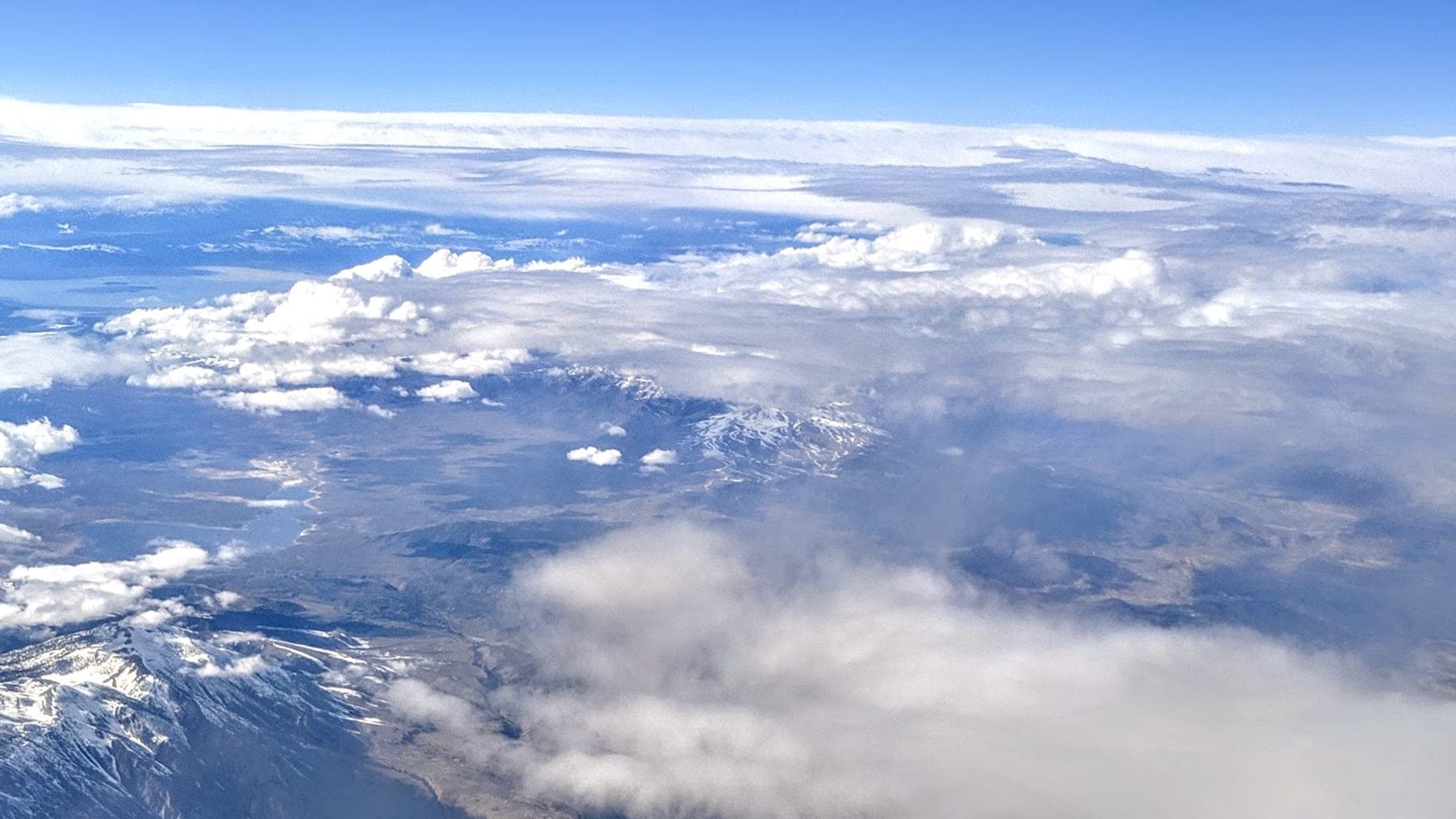
Image: Owens River at Round Valley CA / CC BY-SA 4.0 / DicklyonFishability now: Owens River fishability today
UnknownData confidence: Medium44/100
Check live sources first because flow has been checked, weather is mild, and no public alert is active.
Flow observed
Not returned
Weather observed
4:00 PM UTC
Score calculated
4:20 PM UTC
Why this rating
Flow
Weather
Public alerts
Next 6-12 hours
Hold
Wait for a better live check before committing the drive or choosing a wading plan.
Flow check
No live chart
Current trend: previous-score comparison will become more useful after repeated live checks.
More planning details: flies, flow bands, and live source checks
Fish it today
Start here
Choose the river version first: Pleasant Valley and the Lower Owens if you want the clearest flow match and practical Bishop access, or an Upper Owens plan only after checking the specific Benton Bridge, Crowley, or Big Springs rule language. Fish one reach with intent instead of trying to touch every named Owens section in one day.
Best flow clue
Use the LADWP Lower Owens trend as the real Lower Owens planning tool. Stable or moderate flows are the cleanest fit for bank-side nymphing and streamer work; once operations push the river higher, crossings get sketchy or the brushy banks stop fishing cleanly, the better move is usually to fish only obvious safe edges or come back later.
Skip trigger
Skip Owens when Lower Owens temperatures are climbing into poor trout-handling territory, when operational flows or wind make wading reactive instead of controlled, when you cannot confirm the exact reach rules, or when the trip you really want is Upper Owens migratory water rather than a Bishop-area Lower Owens day.
Flow decision bands
Low but fishable / manual review
Use LADWP flow reports, current rules, weather, water temperature, and access status together before calling the Lower Owens fishable.
Best report-based window
Steady LADWP-reported flows, cool weather, and clear access create the most defensible trout plan.
Poor or uncertain
Unclear operations, hot afternoons, wind, or missing reach information should keep the rating conservative.
No embedded chart
This page should not pretend a verified public live gauge describes the exact Lower Owens fishing reach.
Flow check
No live chart
Current trend: previous-score comparison will become more useful after repeated live checks.
No structured live flow
Use the linked flow and access sources before deciding.
Live NWS forecast
72F / Partly Sunny
Water temperature not verified
Heat guidance uses weather and river type unless an official water-temperature value is available.
No NWS alert flag
No active NWS alert was returned for this forecast point.
Use LADWP Lower Owens reports before wading the Bishop-area river.
Read CDFW reach language for Pleasant Valley, 5 Bridges, Benton Bridge, and Crowley-area water.
Fish early during warm weather and stop if trout handling becomes risky.
Expect brush, mud, and private or utility land boundaries away from obvious public pullouts.
Editorial review
How this report is maintained
This Owens River report is maintained from current LADWP flow, California regulation, weather, and access sources so anglers can separate Lower Owens planning from upper-river assumptions before they commit to the drive.
Byline
BlueStreamFly editorial team
Reviewed by
BlueStreamFly source review
Maintained by
Mountain Brook Run LLC
Last material review
2026-05-31
Report confidence
Good confidence
82/100
Good confidence: LADWP project and flow-report sources, CDFW regulations, weather data, and licensed image support the page. Confidence is moderated because the flow basis is report-based rather than a verified embedded public live gauge, and because upper-versus-lower rules and access need current checks.
Regulations
CDFW freshwater regulation and Title 14 sources support the legal-check path.
Access
LADWP project context supports Lower Owens planning, but exact public access and reach boundaries remain day-of checks.
Flow and weather
LADWP flow reports and the National Weather Service point are attached, but no verified embedded public live chart is used for this exact reach.
Fishing usefulness
The page now separates LADWP flow-report fallback, lower-versus-upper reach rules, heat/wind skips, access boundaries, and backup water choices.
Fishability dashboard and source review
2026-05-31 / material content or source review
LADWP Lower Owens River Project and flow-report sources, LADWP watershed context, CDFW regulation sources, and the National Weather Service point were checked before updating the conservative no-gauge current-fishability fallback.
2026-05-31
Updated Owens River to the current fishability-page standard with LADWP-flow fallback language, lower-versus-upper reach planning, access cards, backup cues, stable fishability SEO, and confidence signals.
2026-05-29
Added a page-specific report-confidence meter for Lower Owens LADWP flow reports, regulation, weather, access-sensitive planning, and removed a failed USGS background source.
2026-05-28
Added reach-selection guidance, wade-first Lower Owens framing, flow and heat skip cues, access-boundary nuance, pressure timing, backup-water suggestions, and stronger editorial review signals after source review.
Angler planning edge
Local details that change the plan
Best for
Anglers who will choose between the Lower Owens near Bishop and Upper Owens migratory-trout water before leaving home, Early and late sessions built around flow, water temperature, and brushy-bank presentations instead of chasing mileage, Wade anglers who want practical public-planning anchors and can handle desert wind, mud, and undercut banks, Eastern Sierra trips that need a clear fallback when Lower Owens heat or operational flow changes narrow the window
Wade or float
Treat Owens as a wade-first report with a strong Lower Owens bias. The practical public trip is built around walking and probing defined seams, bends, and cut banks on foot rather than looking for a general float plan or assuming every visible channel is fishable access.
Best flows
Use the LADWP Lower Owens trend as the real Lower Owens planning tool. Stable or moderate flows are the cleanest fit for bank-side nymphing and streamer work; once operations push the river higher, crossings get sketchy or the brushy banks stop fishing cleanly, the better move is usually to fish only obvious safe edges or come back later.
When to skip
Skip Owens when Lower Owens temperatures are climbing into poor trout-handling territory, when operational flows or wind make wading reactive instead of controlled, when you cannot confirm the exact reach rules, or when the trip you really want is Upper Owens migratory water rather than a Bishop-area Lower Owens day.
Local plan
Choose the river version first: Pleasant Valley and the Lower Owens if you want the clearest flow match and practical Bishop access, or an Upper Owens plan only after checking the specific Benton Bridge, Crowley, or Big Springs rule language. Fish one reach with intent instead of trying to touch every named Owens section in one day.
Pressure
The easiest Bishop-area pullouts and footbridge landmarks get the most repeat traffic, especially on cool mornings and during spring or fall windows. Early starts and a willingness to fish less-photographed bank water usually matter more than changing patterns every ten minutes.
Access nuance
Owens access looks broad on a map, but utility land, brush, ditches, and reach boundaries change the real plan quickly. LADWP and CDFW sources are more reliable than a generic Owens label for deciding where legal access ends and where different trout rules begin.
Backup water
If Owens is too hot, too windy, or running awkwardly, pivot to Hot Creek for a technical spring-creek day or to East Walker for a colder tailwater-style backup with a simpler gauge-to-reach match.
About the river
Setting, character, and why it fishes the way it does.
The Owens River drains the Eastern Sierra and has been heavily shaped by Los Angeles Aqueduct water management.
For fly anglers, the Lower Owens near Bishop and Pleasant Valley is a practical year-round planning anchor when flows are safe.
The Upper Owens near Crowley is a different fishery with seasonal migratory-trout behavior and strict regulation boundaries.
Because flow operations can change wading safety, LADWP and Inyo water sources are more useful than old trip reports.
Target species
Brown trout
Common in Lower Owens trout plans, especially around undercut banks, deeper bends, and low-light streamer water.
Rainbow trout
Present in many managed reaches and important in Wild Trout regulation planning.
Migratory trout
Upper Owens and Crowley-area fish require careful reach, season, and handling decisions.
Warmwater and native fish
Lower valley habitat can include non-trout species, so identify fish and follow current rules.
Reading the water
Low winter flow
Use small nymphs, midges, careful bank approaches, and avoid spooking fish in skinny lanes.
Moderate Lower Owens flow
The most flexible window for nymphing, dry-dropper rigs, and streamer work along cut banks.
High operational flow
Wading and crossings can become unsafe. Fish only safe edges or wait for lower releases.
Hot weather
Fish early, carry a thermometer, and stop trout fishing if water temperatures climb.
Best seasons
Winter
A strong Lower Owens season when flows are safe and weather is manageable.
Spring
Can bring good hatches, but wind, runoff influence, and flow changes still matter.
Summer
Usually early or high-country planning. Lower Owens trout may be heat-stressed.
Fall
Cooler weather improves Lower Owens fishing, while upper-river migratory fish require rule checks.
Flow
Lower Owens River
Use LADWP Lower Owens River Project flow reports for current operations. No verified public live gauge was confirmed for the Lower Owens planning reach.
Weather
River weather report
Weather can change wading safety, road access, water temperature, hatches, and the best time of day to fish.
Live forecast loads as you reach this section
This keeps the report fast while still using the official National Weather Service forecast point.
Hatches and flies
Hatch chart and fly picks
Winter
Midges, BWOs, small mayflies
Zebra midge, WD-40, BWO emerger, pheasant tail
Spring
Caddis, PMDs, BWOs, midges
Caddis pupa, PMD nymph, BWO dry, soft hackle
Summer
Caddis, terrestrials, tricos in some slow water
Elk hair caddis, ant, beetle, trico, small streamer
Fall
BWOs, midges, streamer and egg context where legal
BWO, zebra midge, leech, sculpin, egg pattern where legal
Lower Owens nymphs
Zebra midge, pheasant tail, hare's ear, caddis pupa, perdigon
Use in seams, buckets, and undercut-bank lanes when fish are not rising.
Dry flies
BWO, caddis, parachute Adams, Griffith's gnat, ant
Use during visible surface feeding or low clear winter water.
Streamers
Sculpin, leech, olive bugger, small baitfish
Use around undercut banks, deeper bends, and higher flows.
Upper Owens caution box
Midges, eggs where legal, leeches, small nymphs
Use only after checking the exact reach and seasonal CDFW rules.
Tactics
How to fish it
Check LADWP flow reports before wading the Lower Owens.
Read the CDFW reach text instead of relying on broad Owens River summaries.
In the Lower Owens, fish from downstream and use brush as cover instead of fighting it.
Nymph close bank seams and deeper bends before moving into mid-channel water.
Use streamers when flow gives trout cover along undercut banks.
Treat upper-river migratory fish with extra care and avoid redds.
Rigging
Rod, leader, and setup notes
A 9-foot 4-weight or 5-weight is a good Lower Owens rod.
Carry a 6-weight or streamer line if you plan to fish bigger flies.
Use 5X or 6X for midges and small mayflies in clear water.
Bring forceps, thermometer, sun protection, and water.
Use barbless hooks in regulated catch-and-release reaches and for faster releases everywhere.
Access
Access and planning notes
Lower Owens project corridor
Primary planning frameWade / float / trail
Road / bank / walk-and-wade
When to pick it
Use it when LADWP flow context, access, and CDFW rules are current.
Caution
Project context does not prove every bank or turnout is public.
Bishop / valley base
Weather and logisticsWade / float / trail
Road / services / access scout
When to pick it
Start here when wind, heat, and driving plans need a fast reality check.
Caution
Wind and heat can ruin an otherwise legal trout day.
Upper versus lower reach split
Rule separationWade / float / trail
Regulation / reach choice
When to pick it
Use it before applying tactics or rules from a different Owens reach.
Caution
Upper and lower Owens assumptions should not be mixed.
Do not assume every road or ditch crossing is public access.
Flow changes can make easy crossings unsafe or strand anglers behind channels.
Summer heat can make the Lower Owens poor for trout even when fish are visible.
Upper Owens boundaries around Benton Bridge, Big Springs, and Crowley require exact rule checks.
Carry offline maps because service can be weak away from Bishop and main roads.
Regulations
Check before fishing
Verify CDFW's current Owens River reach-specific regulations before fishing. Pleasant Valley, 5 Bridges, Benton Bridge, Big Springs, and Crowley-area sections have different rules.
Primary base
Bishop, Big Pine, or Mammoth Lakes, California
Best day style
Roadside desert access, LADWP land context, and reach-specific rules
Check first
LADWP flow reports, CDFW reach rules, weather, temperature, road access
Safety
Operational flow changes, desert heat, brushy banks, private or utility land
Gear
Helpful gear for this water
Thermometer
Essential for Lower Owens warm-weather decisions and ethical trout handling.
Brush-friendly nymph rig
Shorter casts and controlled drifts beat long false casting in tight banks.
Sun and water kit
Desert conditions can be dry, bright, and deceptively draining.
Reach notes
The most important gear may be the current CDFW reach language.
Nearby water
Other water to research
Backup logic
High water or unclear operations
Wait for LADWP clarity or compare Hot Creek, East Walker, or another Eastern Sierra water.
Heat
Fish early, carry a thermometer, and stop trout fishing when water or air temperatures are stressful.
Wind or storms
Delay technical presentations until the valley wind and weather settle.
Access issue
Use confirmed public access or choose another legal Eastern Sierra option.
Hot Creek
A technical spring-creek alternative when Lower Owens flows or heat are wrong.
East Walker River
Another Eastern Sierra tailwater-style trout option with flow-sensitive planning.
Truckee River
A larger Sierra trout river with different access, flow, and weather constraints.
FAQ
Fast answers
Is Owens River fishable today?
Owens River needs a live-condition check before you commit. The live score is 44/100, based on current flow, weather, public alerts, and the report's planning context. Recheck the linked gauge and forecast before leaving because conditions can change quickly after rain, heat, access changes, or flow swings.
What flow is best for Owens River?
Use the LADWP Lower Owens trend as the real Lower Owens planning tool. Stable or moderate flows are the cleanest fit for bank-side nymphing and streamer work; once operations push the river higher, crossings get sketchy or the brushy banks stop fishing cleanly, the better move is usually to fish only obvious safe edges or come back later.
When should I skip Owens River?
Skip Owens when Lower Owens temperatures are climbing into poor trout-handling territory, when operational flows or wind make wading reactive instead of controlled, when you cannot confirm the exact reach rules, or when the trip you really want is Upper Owens migratory water rather than a Bishop-area Lower Owens day.
Is Owens River safe to wade right now?
The fishability score is not a wading guarantee. Wade only where your chosen access has safe edges, clear footing, legal entry, and no forced crossings; high, rising, stained, or storm-affected water should be treated conservatively.
What Owens River section does this page focus on?
It focuses on Lower Owens planning near Bishop and Pleasant Valley, while flagging Upper Owens rules where they affect trip planning.
Why is there no live USGS graph here?
For the practical Lower Owens, LADWP flow reports are the better source. A verified public USGS live graph was not used for this page.
Can I fish the Owens year-round?
Some reaches have year-round opportunities, but exact rules vary by reach. Check CDFW before choosing a date.
When should I skip the Lower Owens?
Skip it when flows are unsafe, summer water is too warm, or you cannot verify legal access and reach rules.
Sources
Source set for this report
Reviewed 2026-05-31