California / West
Hat Creek
A Hat Creek wild-trout report for Powerhouse 2 water, clear-water tactics, hatch planning, gauge context, and current CDFW rules.
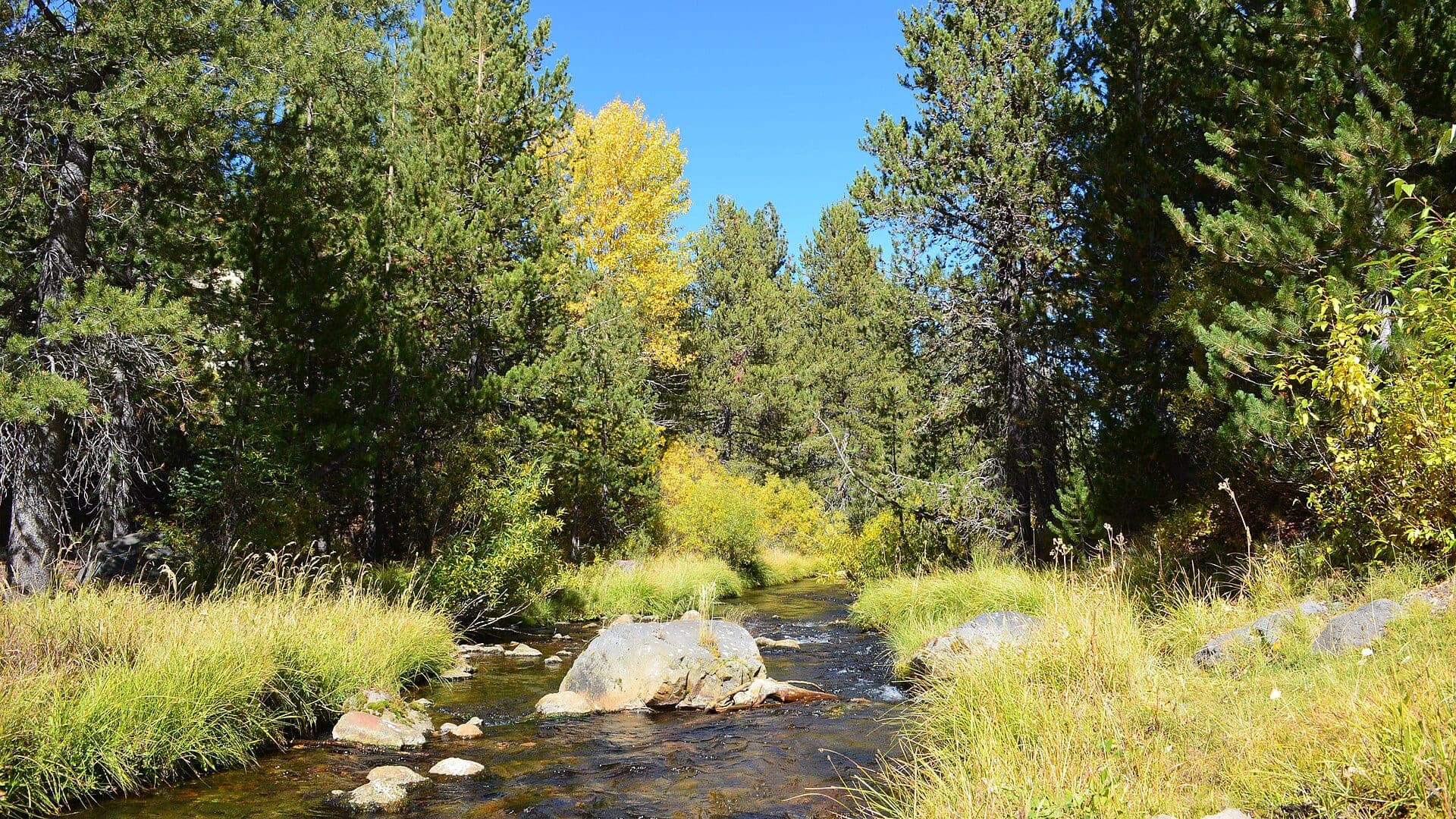
Image: Hat Creek Colors (8098183250) / Public domain / LassenNPSFishability now: Hat Creek fishability today
GreatData confidence: High96/100
Fishable now because the live gauge is stable, weather is mild, and no public alert is active.
Flow observed
5:00 PM UTC
Weather observed
5:00 PM UTC
Score calculated
5:24 PM UTC
Why this rating
Flow
Water temperature
Public alerts
Next 6-12 hours
Hold
Stable live data supports staying with the plan, but recheck the gauge and forecast before leaving.
USGS flow
168 cfs
Current trend: flow stable, so weather, temperature, and access checks drive the next change.
More planning details: flies, flow bands, and live source checks
Fish it today
Start here
Pick the access style before tying on flies: use Hat Creek Park for a quick roadside check, the Powerhouse 2 area for the classic technical session, and the Old Station or Fall River Mills side of the district for campground, alert, and weather logistics.
Best flow clue
Use USGS 11355500 as a trend tool, not a magic Powerhouse 2 number. Stable or gently falling flow is the cleanest signal for technical dry-fly and light-nymph plans; a sudden bump, strong wind, or off-color water should push you toward riffles, shorter sessions, or a different river.
Skip trigger
Skip Hat Creek when hot afternoons threaten trout stress, Forest Service alerts or road restrictions affect the corridor, the clearest public water is already crowded, or you cannot confirm the exact special-regulation reach you plan to fish.
Flow decision bands
Low but fishable
Low clear water can still fish, but it demands bank-first stealth, long leaders, and trout-safe temperatures.
Best technical window
Stable flow, cool weather, light wind, and legal reach clarity make the cleanest dry, emerger, and light-nymph setup.
Poor or stressful
Hot afternoons, crowding, or sudden flow/color changes should shorten the session or move it elsewhere.
Gauge-context caution
USGS 11355500 is useful trend support but not a perfect read for every Powerhouse 2 lane.
USGS flow
168 cfs
Current trend: flow stable, so weather, temperature, and access checks drive the next change.
Live USGS flow
168 cfs / stable
Live NWS forecast
69F / Sunny
Live water temperature
48F from USGS
No NWS alert flag
No active NWS alert was returned for this forecast point.
Use USGS 11355500 for upper Hat Creek flow context, with the caveat that it is not a perfect Powerhouse 2 gauge.
Check CDFW's current Hat Creek rule before fishing; older reports can contain outdated harvest language.
Clear water, spring influence, and heavy pressure make presentation more important than fly novelty.
Protect spawning gravel, banks, and sensitive aquatic species by minimizing unnecessary wading.
Editorial review
How this report is maintained
This Hat Creek report combines official regulation, flow, weather, access, and trout-program sources with angler-focused planning guidance. Public review dates change only after material source review or content improvements.
Byline
BlueStreamFly editorial team
Reviewed by
BlueStreamFly source review
Maintained by
Mountain Brook Run LLC
Last material review
2026-05-31
Report confidence
Good confidence
88/100
Good confidence: USGS flow, CDFW wild-trout and regulation sources, Hat Creek management context, Forest Service and county access, and weather data support the page. Confidence is moderated by reach-specific rule reading, the gauge serving as context rather than a perfect lane read, and crowd/heat sensitivity.
Regulations
CDFW regulation and wild-trout sources support current special-rule checks.
Access
Lassen National Forest and Shasta County sources support public access context, but exact sites and alerts still need current confirmation.
Flow and weather
USGS 11355500 and the National Weather Service point support the route, with reach-level confirmation still needed.
Fishing usefulness
The page now separates technical flow windows, temperature skips, access/rule checks, pressure, and backup spring-creek options.
Fishability dashboard and source review
2026-05-31 / material content or source review
USGS Hat Creek flow, CDFW wild-trout and regulation sources, the Hat Creek management-plan reference, Lassen National Forest access, Shasta County Hat Creek Park information, and the National Weather Service point were checked before updating the current-fishability decision layer.
2026-05-31
Updated Hat Creek to the current fishability-page standard with wild-trout flow guidance, technical access cards, backup cues, stable fishability SEO, and confidence signals.
2026-05-28
Added editorial review signals, a public verification note, original angler-planning guidance covering best use, wade-only framing, gauge interpretation, skip triggers, access nuance, pressure timing, backup-water choices, and a page-specific report-confidence meter after source review.
2026-05-24
Initial source-reviewed report standard published with flow, weather, hatches, flies, tactics, access, regulations, gear, nearby water, FAQs, and source set.
Angler planning edge
Local details that change the plan
Best for
Technical dry-fly and emerger fishing in the Powerhouse 2 corridor, Half-day walk-and-wade plans when you need easy roadside access near Hat Creek Park, Riffle-and-soft-hackle fishing when wind or glare makes the flats hard to read, Careful shoulder-season trout trips built around clear water and regulation checks
Wade or float
Treat Hat Creek as a walk-and-wade report, not a float plan. The useful public access in the wild-trout and park corridors is built around bank approaches, short controlled wades, and staying out of sensitive gravel and weed beds whenever possible.
Best flows
Use USGS 11355500 as a trend tool, not a magic Powerhouse 2 number. Stable or gently falling flow is the cleanest signal for technical dry-fly and light-nymph plans; a sudden bump, strong wind, or off-color water should push you toward riffles, shorter sessions, or a different river.
When to skip
Skip Hat Creek when hot afternoons threaten trout stress, Forest Service alerts or road restrictions affect the corridor, the clearest public water is already crowded, or you cannot confirm the exact special-regulation reach you plan to fish.
Local plan
Pick the access style before tying on flies: use Hat Creek Park for a quick roadside check, the Powerhouse 2 area for the classic technical session, and the Old Station or Fall River Mills side of the district for campground, alert, and weather logistics.
Pressure
The famous easy-to-find flats get the most attention, especially on calm mornings, weekends, and summer evenings. Midday wind, longer walks, and broken riffle water can be more useful than rotating through fly boxes in the obvious pullouts.
Access nuance
CDFW boundaries and current inland rules control the legal trout plan, while the Forest Service and county pages help with public access and facility expectations. Hat Creek Park is day-use access, the Hat Creek Recreation Area includes campgrounds and picnic sites along the corridor, and active alerts can matter as much as the hatch.
Backup water
If Hat Creek is too bright, crowded, warm, or difficult to fish cleanly, shift to Fall River for a different spring-creek style, Hot Creek if you want another technical small-fly test with stricter access discipline, or the Feather River when you want a larger-water change of pace.
About the river
Setting, character, and why it fishes the way it does.
Hat Creek runs through the Lassen and Burney region of northern California and is one of the state's best-known technical trout streams.
The famous wild-trout water near Powerhouse 2 combines spring influence, clear flows, riffles, meadow glides, and pressured trout.
CDFW management history for Hat Creek is important, but current annual regulations should be treated as the controlling source.
The surrounding Hat Creek Recreation Area also includes campgrounds, picnic areas, volcanic landscape, and Forest Service access considerations.
Target species
Rainbow trout
A primary wild-trout target, especially in riffles, glides, and spring-influenced current.
Brown trout
Present in the system and often more cautious in clear, pressured water.
Brook trout
Part of the broader Hat Creek fish community in CDFW management context.
Rough sculpin and Shasta crayfish context
Sensitive native aquatic life makes careful wading and no-bait assumptions important.
Reading the water
Clear low water
Use long leaders, small flies, and bank-first approaches before entering the stream.
Stable riffle flow
Soft hackles, small nymphs, and emergers can work when fish feed in broken water.
Meadow glide
Watch rise forms, cast from low angles, and avoid lining fish with heavy leaders.
Warm afternoons
Check temperature, fish early, and stop trout fishing if water conditions are stressful.
Best seasons
Spring
Midges, BWOs, caddis, and careful nymphing can be strong when access and weather cooperate.
Summer
Morning and evening windows, caddis, terrestrials, and careful dry-fly work matter.
Fall
Cooler weather can bring BWOs, midges, and lighter pressure.
Winter
Check current rules and road conditions. Small nymphs and midges matter more than searching dries.
USGS flow
Hat Creek near Hat Creek
This is the fallback for rivers that are not covered by RiverReports. Use the official USGS monitoring page for the live hydrograph, station metadata, and current water trend.
Open USGS gaugeUSGS data chart
Hat Creek near Hat Creek
Streamflow over the latest USGS reporting window.
Latest
168 cfs
Jun 3, 5 PM UTC
Weather
River weather report
Weather can change wading safety, road access, water temperature, hatches, and the best time of day to fish.
Live forecast loads as you reach this section
This keeps the report fast while still using the official National Weather Service forecast point.
Hatches and flies
Hatch chart and fly picks
Late winter to spring
Midges, BWOs, early caddis
Zebra midge, BWO emerger, parachute Adams, soft hackle
Late spring
Caddis, PMDs, mayflies
Elk hair caddis, PMD emerger, pheasant tail, sparkle pupa
Summer
Caddis, terrestrials, small mayflies
Ant, beetle, hopper, X-caddis, small parachute dry
Fall
BWOs and midges
BWO, RS2, zebra midge, Griffith's gnat, soft hackle
Small dries
BWO, PMD, elk hair caddis, Griffith's gnat, ant, beetle
Use when trout rise in slicks, glides, or soft seams.
Nymphs
Pheasant tail, zebra midge, perdigon, WD-40, caddis pupa
Use in riffles and slots where fish feed below the surface.
Soft hackles
Partridge and orange, peacock soft hackle, caddis soft hackle
Swing through riffle tails and shallow feeding lanes.
Terrestrials
Foam ant, beetle, small hopper, cricket
Use along grassy banks and meadow edges in summer.
Tactics
How to fish it
Watch the water before casting; Hat Creek fish often reveal lanes and timing.
Fish from the bank when possible instead of wading into the best presentation angle.
Use reach casts, downstream drifts, and soft mends to keep leaders away from fish.
In riffles, fish small nymphs and soft hackles before switching to dries.
Avoid walking on spawning gravel and sensitive vegetation.
Clean, drain, and dry gear before moving between northern California waters.
Rigging
Rod, leader, and setup notes
A 9-foot 4-weight or 5-weight with a floating line is the core setup.
Use 10- to 12-foot leaders with 5X or 6X tippet for flat-water dries.
Carry small indicators, yarn, and dry-dropper options for riffle nymphing.
Bring a thermometer and rubber net for careful trout handling.
Use barbless flies where required and as a default for faster releases.
Access
Access and planning notes
Hat Creek Wild Trout Area
Classic technical trout sessionWade / float / trail
Walk-and-wade / bank-first
When to pick it
Use it when current CDFW rules, stable flow, and crowd levels support careful presentations.
Caution
Do not rely on older rule summaries; use current CDFW language.
Powerhouse 2 area
Riffle and glide focusWade / float / trail
Bank / short controlled wade
When to pick it
Pick it when fishable flows and room to cast support a precise session.
Caution
Avoid sensitive gravel, vegetation, and unnecessary wading.
Hat Creek Park / ranger district
Facility and alert checkWade / float / trail
Day use / campground / road access
When to pick it
Use it to confirm public access, alerts, fire restrictions, and facilities.
Caution
Forest and county access do not replace fishing-rule checks.
CDFW current regulations are the source to use, not old plan language that may list outdated harvest rules.
USGS 11355500 is useful flow context but is not a perfect gauge for every wild-trout-area lane.
Forest Service alerts can affect camping, fire use, roads, and recreation access.
Clear water and heavy pressure make crowd spacing important.
Bait, wading, and harvest assumptions should be checked carefully because sensitive species and special rules apply.
Regulations
Check before fishing
Verify CDFW's current Hat Creek regulations before fishing. Source review flagged the Lake Britton-to-Baum Lake reach, excluding the Hat No. 2 intake canal, as artificial-lure, barbless-hook, zero-trout water under current CDFW rules, but the official source controls.
Primary base
Old Station, Burney, or Fall River Mills, California
Best day style
Wild-trout and Forest Service access
Check first
CDFW rules, Lassen National Forest alerts, gauge, and weather
Safety
Slick banks, protected habitat, fire alerts, cold water
Gear
Helpful gear for this water
Long dry-fly leaders
Clear glides and pressured fish demand clean presentations.
Fine tippet
5X and 6X cover most small dries and nymphs.
Rubber net
Helps release wild trout quickly and gently.
Thermometer
Useful in summer and during low-water stress.
Nearby water
Other water to research
Backup logic
High water
Move to safer riffles or compare Fall River and Hot Creek before forcing crossings.
Heat
Fish early, carry a thermometer, and stop trout fishing when releases are not safe.
Wind or crowding
Shift to broken riffle water, rest pressured fish, or choose Fall River/Hot Creek.
Access issue
Use official Forest Service, county, and CDFW sources rather than informal pullouts.
Fall River
A clear spring-creek plan with limited access and boat logistics.
Hot Creek
Another technical California trout creek, but in the Eastern Sierra with different access rules.
Feather River
A larger California system when you want anadromous or canyon-water planning instead of technical spring creek.
FAQ
Fast answers
Is Hat Creek fishable today?
Hat Creek looks very fishable right now. The live score is 96/100, based on current flow, weather, public alerts, and the report's planning context. Recheck the linked gauge and forecast before leaving because conditions can change quickly after rain, heat, access changes, or flow swings.
What flow is best for Hat Creek?
Use USGS 11355500 as a trend tool, not a magic Powerhouse 2 number. Stable or gently falling flow is the cleanest signal for technical dry-fly and light-nymph plans; a sudden bump, strong wind, or off-color water should push you toward riffles, shorter sessions, or a different river.
When should I skip Hat Creek?
Skip Hat Creek when hot afternoons threaten trout stress, Forest Service alerts or road restrictions affect the corridor, the clearest public water is already crowded, or you cannot confirm the exact special-regulation reach you plan to fish.
Is Hat Creek safe to wade right now?
The fishability score is not a wading guarantee. Wade only where your chosen access has safe edges, clear footing, legal entry, and no forced crossings; high, rising, stained, or storm-affected water should be treated conservatively.
What gauge should I use for Hat Creek?
Use USGS 11355500 near Hat Creek for flow context, while remembering it is not perfect for every wild-trout-area lane.
Is Hat Creek catch and release?
Current source review flagged zero-trout harvest for the key special-regulation reach. Check CDFW's official rules before fishing.
What flies should I bring?
Bring BWOs, PMDs, caddis, midges, ants, beetles, pheasant tails, perdigons, soft hackles, and small emergers.
Is Hat Creek beginner friendly?
It is accessible in places, but the best wild-trout water is technical and rewards careful presentation.
Sources
Source set for this report
Reviewed 2026-05-31