California / West
American River
A Lower American River report for Nimbus-to-Sacramento access, steelhead and shad timing, flow checks, rules, and urban trip planning.
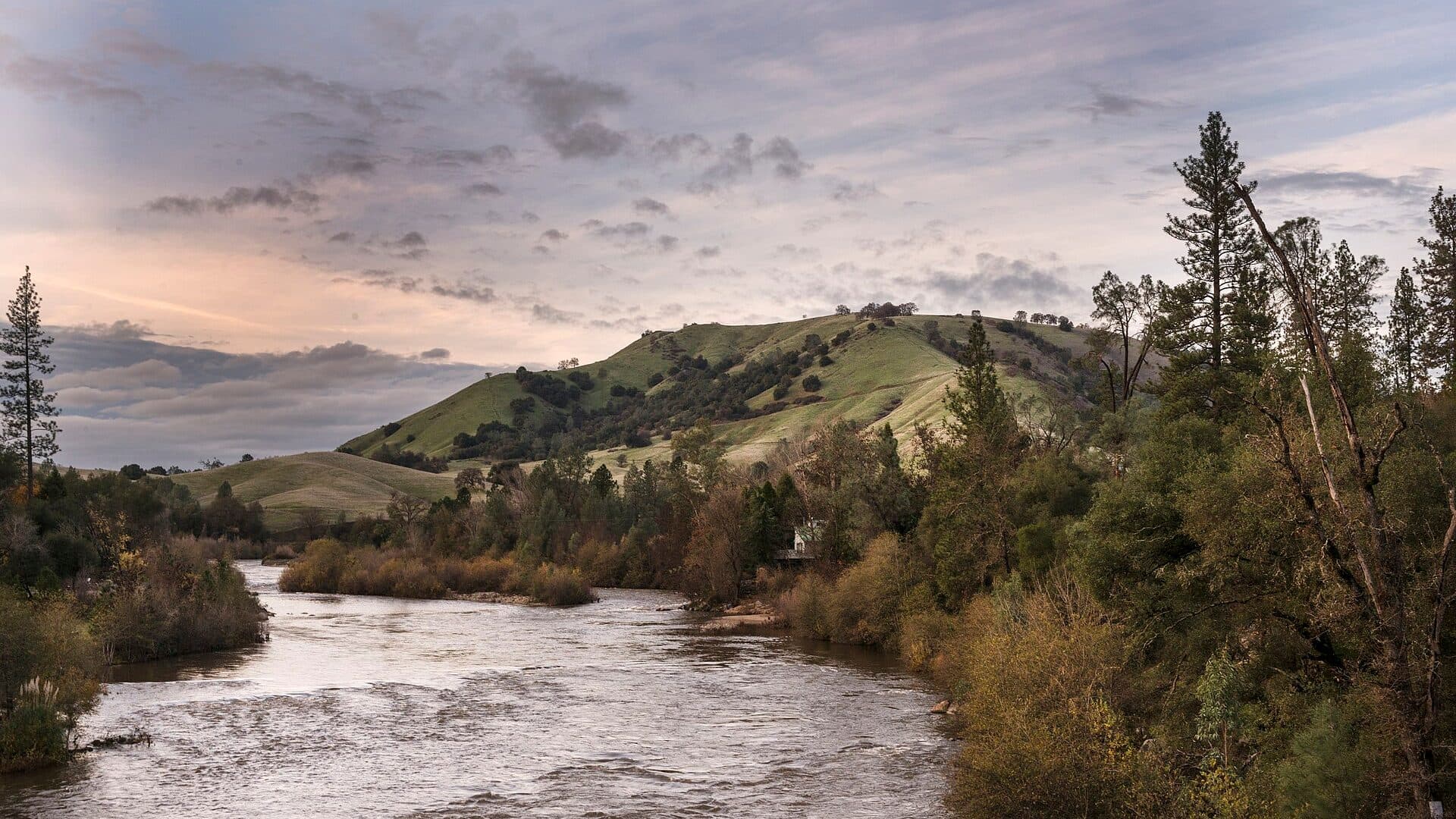
Image: A view of the south fork of the American River at Coloma in El Dorado County, California LCCN2013631014 / Public domain / Carol M. HighsmithFishability now: American River fishability today
GreatData confidence: High96/100
Fishable now because Fair Oaks gauge is falling, weather is usable, and no public alert is active.
Flow observed
5:15 PM UTC
Weather observed
5:00 PM UTC
Score calculated
5:24 PM UTC
Why this rating
Flow
Water temperature
Public alerts
Next 6-12 hours
Improving / hold
A falling gauge and usable weather should keep the next 6-12 hours in play unless tributaries stain or heat builds.
USGS flow
1,010 cfs
Current trend: flow falling, rating likely holding strong unless weather or clarity changes.
More planning details: flies, flow bands, and live source checks
Fish it today
Start here
Pick the legal focus before you leave the car: upper parkway water below Nimbus for cooler salmonid planning, mid-corridor riffles for classic swing or indicator work, or lower-river structure when shad or stripers are the better match.
Best flow clue
Use the Fair Oaks trend as the anchor. Stable releases are the most forgiving for wading and classic nymph or swing tactics; rising or heavy releases push the day toward safer banks, side channels, shad lanes, or a non-wading species plan.
Skip trigger
Skip trout or steelhead pressure when closure boundaries are unclear, when releases make wading unsafe, when summer temperatures push salmonids into stress, or when warm-weather crowds turn the parkway into a poor fit for careful presentations.
Flow decision bands
Low but fishable
Lower stable releases can open careful bank and riffle work, but closure boundaries still decide where you can fish.
Best lower-river window
Stable Fair Oaks flow with mild weather and a legal species plan is the best signal for steelhead, shad, or striper tactics.
Pushy or unsafe
High or rising releases make wading, side-channel crossings, and urban bank exits more serious.
Warm lower river
When salmonid stress rises, shift toward shad, stripers, or another colder trout water instead of forcing the same plan.
USGS flow
1,010 cfs
Current trend: flow falling, rating likely holding strong unless weather or clarity changes.
Live USGS flow
1,010 cfs / falling about 48%
Live NWS forecast
74F / Sunny
Live water temperature
59F from USGS
No NWS alert flag
No active NWS alert was returned for this forecast point.
Use the Fair Oaks gauge to understand flow and wading risk below Nimbus Dam.
Do not fish the closed hatchery-zone water near Nimbus Dam and the fish rack.
Steelhead fishing requires current CDFW rule checks and a valid report card when applicable.
Shad, stripers, and warm-season lower-river tactics are part of the useful fly-fishing plan.
Editorial review
How this report is maintained
This report starts with official regulation, access, flow, weather, and public-river sources, then adds practical planning guidance for anglers.
Byline
BlueStreamFly editorial desk
Reviewed by
BlueStreamFly source review
Maintained by
BlueStreamFly
Last material review
2026-05-31
Report confidence
High confidence
90/100
High confidence: USGS Fair Oaks flow, Sacramento County parkway access, CDFW regulation sources, Nimbus Hatchery context, steelhead report-card guidance, and weather data support the page. Confidence is moderated by seasonal species rules, hatchery-zone boundaries, and urban recreation pressure.
Regulations
CDFW regulation, Title 14, Nimbus Hatchery, and steelhead report-card sources support the legal-check path.
Access
Sacramento County parkway material gives strong public access support, with exact closure boundaries and parking still requiring current checks.
Flow and weather
USGS 11446500 and the National Weather Service point are attached to the route.
Fishing usefulness
The page now separates closure checks, salmonid versus shad/striper choices, flow safety, urban pressure, and backup-water decisions.
Fishability dashboard and source review
2026-05-31 / material content or source review
USGS Fair Oaks flow, Sacramento County American River Parkway access, CDFW freshwater regulations, Title 14 notices, Nimbus Hatchery information, steelhead report-card guidance, and the National Weather Service point were checked before updating the current-fishability decision layer.
2026-05-31
Updated American River to the current fishability-page standard with lower-river flow guidance, legal-reach access cards, backup cues, stable fishability SEO, and confidence signals.
2026-05-28
Added a page-specific report-confidence meter after rechecking the Lower American source mix, legal-boundary cautions, parkway access framework, and warm-season trip-planning guidance.
2026-05-24
Initial source-reviewed report published with flows, weather, hatches, flies, tactics, access, regulations, and FAQs.
Angler planning edge
Local details that change the plan
Best for
Anglers who want a legal lower-river salmonid or shad plan close to Sacramento, Seasonal steelhead, shad, and striper decisions tied to one accessible urban corridor, Trips where parkway access, shuttle-free scouting, and a clear gauge matter more than solitude, People willing to choose the target species after checking current rules instead of forcing a one-species plan
Wade or float
Treat the Lower American as a wade-and-bank-access page first, then add boat logic only when flows, species timing, and launch logistics line up. Many anglers do better by fishing one legal riffle or tailout thoroughly than by drifting through mixed-use urban water without a clear species plan.
Best flows
Use the Fair Oaks trend as the anchor. Stable releases are the most forgiving for wading and classic nymph or swing tactics; rising or heavy releases push the day toward safer banks, side channels, shad lanes, or a non-wading species plan.
When to skip
Skip trout or steelhead pressure when closure boundaries are unclear, when releases make wading unsafe, when summer temperatures push salmonids into stress, or when warm-weather crowds turn the parkway into a poor fit for careful presentations.
Local plan
Pick the legal focus before you leave the car: upper parkway water below Nimbus for cooler salmonid planning, mid-corridor riffles for classic swing or indicator work, or lower-river structure when shad or stripers are the better match.
Pressure
The easiest access points and obvious riffles get busy quickly, especially during shad and steelhead windows. Weekdays, early starts, and a willingness to walk a little farther down the bike trail often buy more room than swapping flies.
Access nuance
Public access is strong, but fishing legality changes faster than the parking does. A spot that looks perfect from the trail can still sit near a closure, report-card species, or night-fishing rule that changes how you should use it.
Backup water
If the Lower American is too high, too warm, or too crowded, pivot to the Feather River for another anadromous-style plan or to colder Sierra trout water such as the North Yuba when you want to leave the urban corridor behind.
About the river
Setting, character, and why it fishes the way it does.
The American River joins the Sacramento River in California's capital region, and the Lower American is the practical fly-fishing corridor below Nimbus Dam.
Folsom and Nimbus dam operations shape flows, water temperature, and wading safety, so the Fair Oaks gauge is the best public starting point for conditions.
The American River Parkway creates unusually good urban access, but it also means bikes, swimmers, boaters, and other anglers are part of the day.
The river supports anadromous fish management, hatchery operations, and seasonal fishing opportunities that require current CDFW regulation checks.
Target species
Steelhead and hatchery trout
A major winter and early-year focus where current CDFW rules and report-card requirements matter.
American shad
A popular fly target during spring and early summer when fish move through the lower river.
Striped bass
A lower-river and seasonal fly target, especially with baitfish movement and warmer weather.
Chinook salmon
Managed under annual rules. Do not assume open harvest without checking current CDFW salmon regulations.
Reading the water
Low clear release
Use longer leaders, lighter tips, and careful wading around riffles, tailouts, and side channels.
Stable medium flow
Swinging, indicator nymphing, shad darts, and streamer work can all fit depending on species timing.
High release
Skip risky wading and look for bank, boat, or side-channel options where legal and safe.
Warm lower river
Shift toward shad, stripers, or warmwater tactics instead of stressing salmonids in marginal conditions.
Best seasons
Winter
Steelhead-focused windows depend on regulations, flows, and water clarity.
Spring
Steelhead context can overlap with shad timing as the river warms and flows settle.
Early summer
American shad and striper tactics often become the more practical fly-fishing draw.
Fall
Salmon context is highly rule-dependent. Check CDFW annual rules before planning any salmon-oriented trip.
USGS flow
American River at Fair Oaks
This is the fallback for rivers that are not covered by RiverReports. Use the official USGS monitoring page for the live hydrograph, station metadata, and current water trend.
Open USGS gaugeUSGS data chart
American River at Fair Oaks
Streamflow over the latest USGS reporting window.
Latest
1,010 cfs
Jun 3, 5 PM UTC
Weather
River weather report
Weather can change wading safety, road access, water temperature, hatches, and the best time of day to fish.
Live forecast loads as you reach this section
This keeps the report fast while still using the official National Weather Service forecast point.
Hatches and flies
Hatch chart and fly picks
Winter
Midges, small mayflies, egg and alevin context
Egg, stonefly nymph, copper john, midge, small intruder
Spring
Caddis, mayflies, shad migration
Soft hackle, caddis pupa, shad dart, small streamer
Summer
Caddis, terrestrials, baitfish movement
Shad fly, clouser, popper, caddis, crayfish pattern
Fall
Baitfish movement and sparse mayflies
Streamer, egg, stonefly, BWO, soft hackle
Steelhead
Egg, stonefly, copper john, prince, small intruder, leech
Use during legal steelhead windows when flows are safe and fish are present.
Shad
Shad dart, comet, small chartreuse fly, pink wet fly
Use in spring and early summer lanes where shad hold and swingable current exists.
Stripers
Clouser, deceiver, gurglers, baitfish streamers
Use on lower-river structure, low light, and baitfish-oriented windows.
Trout-style nymphs
Pheasant tail, hare's ear, caddis pupa, zebra midge
Use in riffles and tailouts where legal salmonid fishing is open.
Tactics
How to fish it
Read the CDFW regulation boundary before choosing a parking area.
Use the Fair Oaks gauge to decide whether wading is realistic.
For steelhead, cover water with a swing, indicator rig, or tight-line approach depending on depth and speed.
For shad, swing bright flies through consistent travel lanes and adjust depth often.
For stripers, fish low light, baitfish edges, and lower-river structure.
Expect crowds and mixed recreation on warm weekends, especially near easy parkway access.
Rigging
Rod, leader, and setup notes
A 9-foot 6-weight is a good all-around Lower American rod.
Use a 7-weight or 8-weight for stripers, heavier tips, and windy shad evenings.
Carry sink tips, floating line, and indicators so you can match the legal species and flow.
Use 2X to 4X for steelhead-style work and heavier leaders for stripers.
Bring a report card and license setup before reaching the river when targeting report-card species.
Access
Access and planning notes
Nimbus closure boundary
Legal reach checkWade / float / trail
Rule boundary / hatchery context
When to pick it
Start here before choosing any upper parkway spot.
Caution
Closed hatchery-zone water and report-card rules can override a perfect-looking flow.
American River Parkway
Urban wade and bank planWade / float / trail
Walk / bike / wade / bank
When to pick it
Use it when legal reach, flow, parking, and recreation pressure fit a short session.
Caution
Bike trail traffic, swimmers, dogs, and high releases can make access feel busy or unsafe.
Lower river near Sacramento
Shad or striper pivotWade / float / trail
Bank / boat / lower-river scout
When to pick it
Pick it when warmer seasonal targets make more sense than salmonids.
Caution
Species rules, boat traffic, and urban access still need current checks.
CDFW's current regulation app or booklet should be checked before fishing any anadromous reach.
Night fishing restrictions and hatchery-zone closures can affect otherwise obvious access.
Sacramento County manages the parkway access network, but CDFW rules control fishing legality.
Flows can change with Folsom and Nimbus operations and may make wading unsafe even on sunny days.
Expect non-angling recreation, including cyclists, rafters, swimmers, and dogs near popular parks.
Regulations
Check before fishing
Verify CDFW's current freshwater regulations, Central Valley salmon updates, steelhead report-card requirements, night-fishing restrictions, and Nimbus Hatchery closure boundaries before fishing. Rules can change annually and by reach.
Primary base
Sacramento, Rancho Cordova, or Fair Oaks, California
Best day style
Parkway access with hatchery-zone closures
Check first
CDFW regulations, Nimbus closure boundaries, Fair Oaks flow, weather
Safety
Cold releases, hatchery closures, bike trail traffic, high flows
Gear
Helpful gear for this water
6-weight or 7-weight rod
Covers most steelhead, shad, and streamer work in the parkway corridor.
Sink-tip wallet
Useful for swinging steelhead flies, shad flies, and baitfish patterns at different flows.
Report card and license
Required for applicable anadromous species under CDFW rules.
Bike or shuttle plan
The parkway layout can reward one-way scouting and flexible access choices.
Nearby water
Other water to research
Backup logic
High water
Avoid risky wading and compare Feather River or colder Sierra options such as the North Yuba.
Heat
Move away from salmonid pressure and consider shad, striper, or a colder trout stream.
Storms or turbidity
Wait for the Fair Oaks trend and visibility to settle before fishing parkway edges.
Access issue
Use another parkway access or a different river rather than drifting into closed or uncertain water.
North Yuba River at Goodyears Bar
A Sierra freestone trout option when you want colder pocket water instead of an urban tailwater.
Feather River
Another Central Valley anadromous river with complex hatchery and salmonid regulations.
Truckee River at Reno
A different technical river option east of the Sierra with urban access and trout tactics.
FAQ
Fast answers
Is American River fishable today?
American River looks very fishable right now. The live score is 96/100, based on current flow, weather, public alerts, and the report's planning context. Recheck the linked gauge and forecast before leaving because conditions can change quickly after rain, heat, access changes, or flow swings.
What flow is best for American River?
Use the Fair Oaks trend as the anchor. Stable releases are the most forgiving for wading and classic nymph or swing tactics; rising or heavy releases push the day toward safer banks, side channels, shad lanes, or a non-wading species plan.
When should I skip American River?
Skip trout or steelhead pressure when closure boundaries are unclear, when releases make wading unsafe, when summer temperatures push salmonids into stress, or when warm-weather crowds turn the parkway into a poor fit for careful presentations.
Is American River safe to wade right now?
The fishability score is not a wading guarantee. Wade only where your chosen access has safe edges, clear footing, legal entry, and no forced crossings; high, rising, stained, or storm-affected water should be treated conservatively.
What section does this American River report cover?
It covers the Lower American River below Nimbus Dam through the Sacramento parkway corridor, not the upper forks above Folsom.
What gauge should I use?
Use USGS 11446500, American River at Fair Oaks, as the primary public flow reference for the lower river.
Can I fish right below Nimbus Dam?
Not in closed hatchery-zone water. Verify CDFW boundary language and posted signs before fishing near Nimbus.
What should I fish for first?
It depends on season: steelhead in legal cool-season windows, shad in spring to early summer, and stripers or lower-river species in warmer periods.
Sources
Source set for this report
Reviewed 2026-05-31