Ozarks
Arkansas fly fishing reports
Use this Arkansas hub to choose a starting river, check flows and weather, compare hatches, and jump into report pages with access, tactics, regulations, and source links.
Arkansas quick finder
Open the right report first.
Search Arkansas reports by river, water type, access style, or flow source. Start with a fishability-ready report when one matches the day.
7
reports
7
fishability-ready
Buffalo River
Buffalo National River smallmouth water
High confidence (90/100)
White River
Large coldwater trout tailwater
Good confidence (89/100)
Little Red River
Coldwater trout tailwater
Good confidence (88/100)
Reports
7
Region
Ozarks
Fishability-ready
7
Planning focus
Flows, hatches, access
Flow coverage
6 with RiverReports chart coverage, 1 without a verified live gauge
BlueStreamFly currently covers 7 Arkansas fly fishing reports. The list below is organized around real report pages, so the state hub is a fast way to compare watersbefore opening a full river report. Start with the waters that match your trip style, then open the individual page for flow context, weather, hatches, flies, access notes, and source links.
The covered water types include Coldwater trout tailwater, Short coldwater trout tailwater, Large coldwater trout tailwater, Buffalo National River smallmouth water, Lower Eleven Point River in Arkansas border-region context, Kings River in northwest Arkansas, and Spring River below Mammoth Spring and northern Arkansas access. Access styles in the current report set include Dam-controlled wade and float access, Compact tailwater wading and boat access, Boat-first tailwater with limited wade windows, National Park river accesses, floats, gravel bars, and wade-fishing windows, Lower river, private-land caution, boat/wade scouting, and border-region logistics, Ozark floats, bridge/access scouting, gravel bars, and smallmouth wading windows, and Public access, canoe/kayak traffic, wade windows, and trout/warmwater mixes. That mix matters because a float river, a small trout stream, and a tailwater all need different flow, wading, fly, and safety decisions.
Flow checks are part of the planning path. In this state set,6 with RiverReports chart coverage, 1 without a verified live gauge. When a report uses a RiverReports chart, the page still keeps official gauge or agency sources where available. When only USGS data is available, the report explains the gauge and the practical planning limits.
Arkansas on BlueStreamFly is mainly a coldwater tailwater state. The White, Norfork, and Little Red are productive trout systems, but they are also generation-driven rivers where safe wading and boat plans depend on dam releases.
The Arkansas hub should help anglers think first about generation, access style, and whether the day is a wade day, float day, or a day to wait.
Best for
- - Tailwater trout anglers checking generation before leaving
- - Boat-first trips on the White River system
- - Wade-focused windows on short coldwater tailwaters
- - Anglers comparing big-water trout tactics with compact tailwater access
Check before you go
- - Check Corps, power, or official release information before wading any Arkansas tailwater.
- - Carry a backup plan because a good hatch or streamer plan can become unsafe when generation starts.
- - Separate boat plans from wade plans. The same river can be excellent for one and poor or unsafe for the other.
- - Review current Arkansas trout regulations and any reach-specific rules before fishing.
Arkansas hub content should keep release schedules, flow sources, and regulation links visible because the main ranking value is helping anglers avoid unsafe or mistimed tailwater trips.
Best starting points
First reports to open in Arkansas
These are not rankings. They are quick starting points from the current inventory, chosen to help you compare water types, access, and source coverage before drilling into the full list.
Coldwater trout tailwater
Little Red River
A Greers Ferry tailwater report for generation-aware wading, trout tactics, fly selection, access planning, and current Arkansas rule checks.
Open report
Short coldwater trout tailwater
Norfork Tailwater
A North Fork of the White River tailwater report for generation timing, compact wade access, technical nymphing, and current rule checks.
Open report
Large coldwater trout tailwater
White River
A Bull Shoals and Norfork-area trout report for generation-aware fishing, boat and wade planning, fly selection, and current Arkansas rules.
Open report
Buffalo National River smallmouth water
Buffalo River
An Arkansas Buffalo River fly fishing report focused on Ozark smallmouth, RiverReports flow, USGS data, National Park access, weather, hatches, flies, and regulation checks.
Open report
Lower Eleven Point River in Arkansas border-region context
Eleven Point River
An Arkansas-side Eleven Point River report that separates lower warmwater planning from the famous Missouri trout and scenic river reaches, with flow, weather, access, flies, and regulations.
Open report
Kings River in northwest Arkansas
Kings River
An Arkansas Kings River report for Ozark smallmouth, RiverReports flow, USGS data, AGFC/public access checks, weather, hatches, flies, and safe float planning.
Open report
Seasons
How to think about timing
The best season changes by elevation, runoff, regulation, water temperature, hatch timing, and access. Use these notes as planning prompts, then confirm the individual river page and current official sources before fishing.
Winter
Midges, eggs, streamers, and careful low-water nymphing can be useful. Watch redds and avoid spawning fish. See Little Red River.
Spring
Variable releases and storms can change wadeability. Scuds, sowbugs, midges, and soft hackles are practical. See Little Red River.
Summer
Cold tailwater keeps trout in play, but recreation traffic and generation timing decide the day. See Little Red River.
Fall
Streamer interest for brown trout increases, but ethical handling and regulation checks are essential. See Little Red River.
March to May
Good for Ozark smallmouth movement, streamers, crayfish, and early topwater when flows and clarity line up. See Buffalo River.
Hatches
Hatch windows and fly planning
Hatch charts on BlueStreamFly are practical planning notes, not live bug reports. They help you pack flies and choose a starting tactic, then the actual river conditions should make the final decision.
Winter / Little Red River
Midges and limited surface activity
Zebra midge, ruby midge, Griffith's gnat, egg, small scud
Spring / Little Red River
Midges, caddis, sowbugs, scuds
Scud, sowbug, soft hackle, caddis pupa, pheasant tail
Winter / Norfork Tailwater
Midges and sparse surface feeding
Zebra midge, ruby midge, egg, scud, sowbug
Spring / Norfork Tailwater
Midges, caddis, small mayflies
Soft hackle, caddis pupa, pheasant tail, hare's ear
March to April / Buffalo River
Midges, small mayflies, crayfish movement, baitfish
Small clouser, bugger, hare's ear, pheasant tail
Rules, access, and sources
Check the official path before you fish.
Regulations, closures, access, stocking, water temperature, and releases can change faster than a static page. Every river report should be treated as a planning page that points you back to current official sources.
Gauge examples
RiverReports with USGS and USACE release checks, USACE Norfork data with RiverGages stage context, RiverReports with USGS 07057370 and USACE checks, RiverReports Buffalo River with USGS 07055660 backing, RiverReports Eleven Point River with USGS 07072000 backing, and RiverReports Kings River with USGS 07050500 backing.
Flow
RiverReports: Little Red River near Dewey
Open source page
Flow
USGS monitoring location: Little Red River near Dewey
Open source page
Regulations
AGFC trout regulations and 2026 limits
Open source page
Access
AGFC trout waters and generation reminder
Open source page
Safety and weather
National Weather Service forecast point near the Little Red
Open source page
Flow
RiverGages Norfork Dam station NFDA4
Open source page
Safety and weather
National Weather Service forecast point near Norfork Tailwater
Open source page
Flow
RiverReports: White River near Norfork
Open source page
Full state list
All Arkansas report pages
Open a specific report for current planning context, nearby water, access notes, regulations, hatches, fly picks, weather, flow checks, and source links.
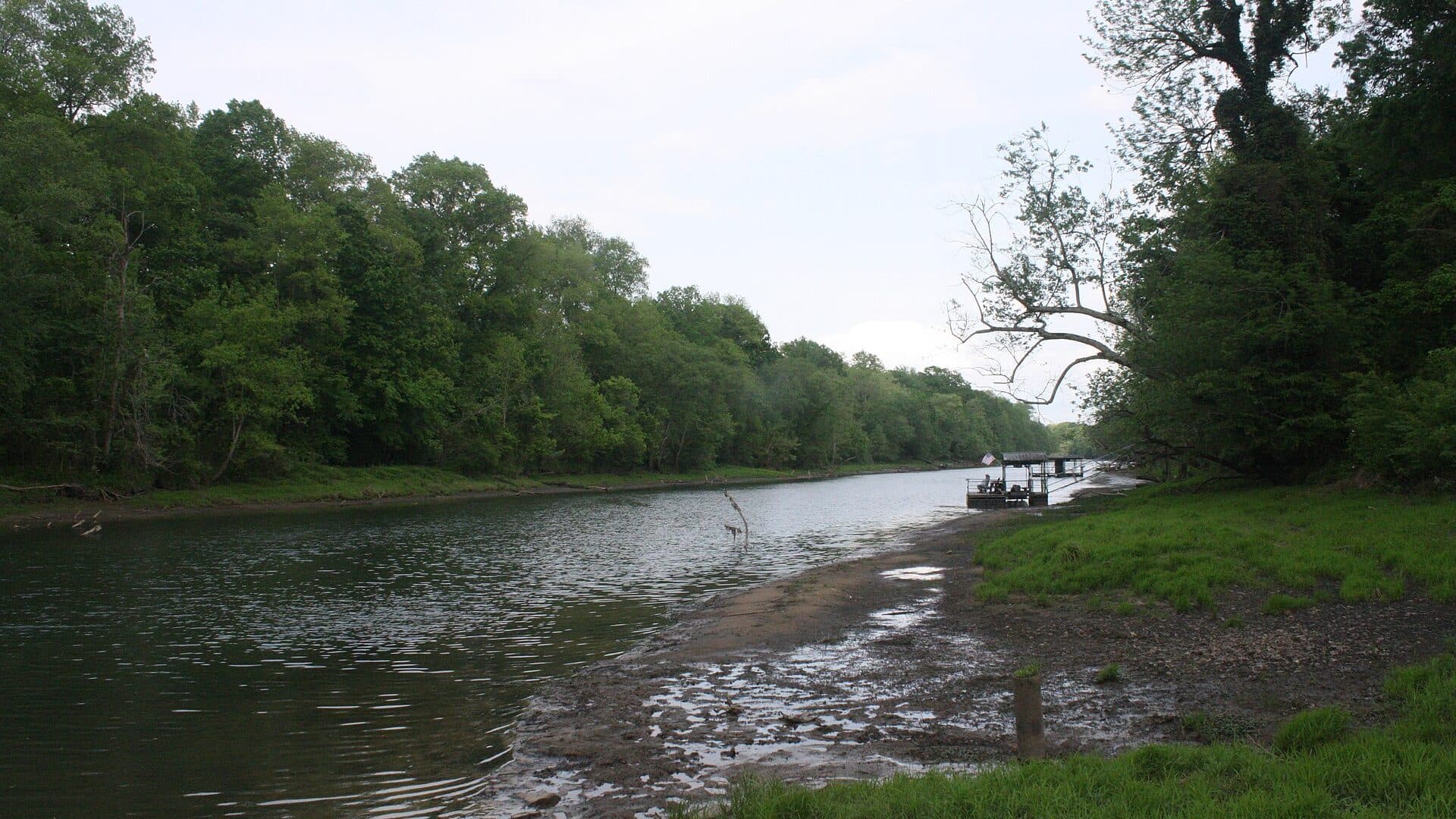
Arkansas / Southeast
Little Red River
Check if Little Red River is fishable today with live flow context, weather, access, regulations, hatch timing, flies, and source links.
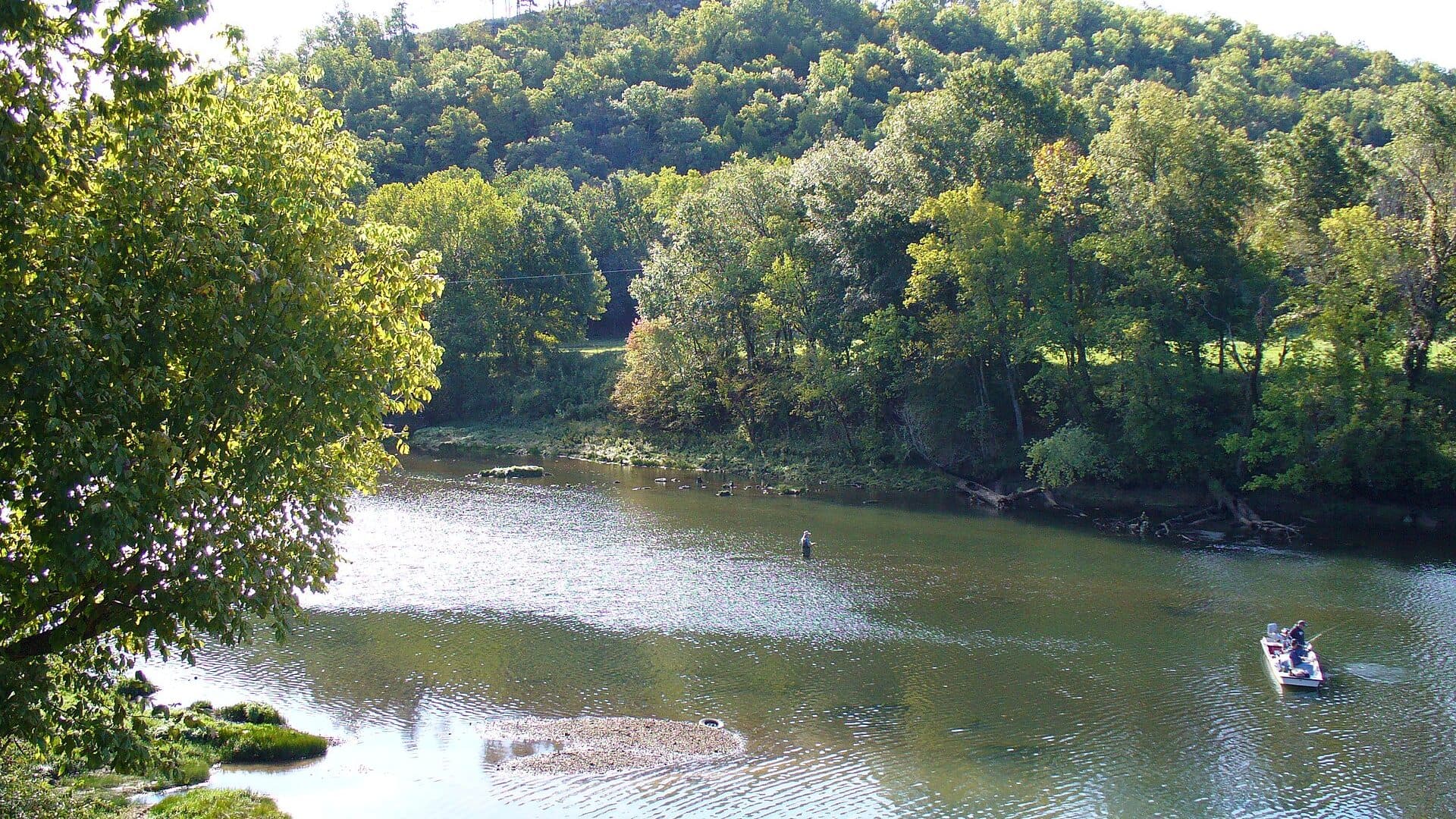
Arkansas / Southeast
Norfork Tailwater
Check if Norfork Tailwater is fishable today with live flow context, weather, access, regulations, hatch timing, flies, and source links.
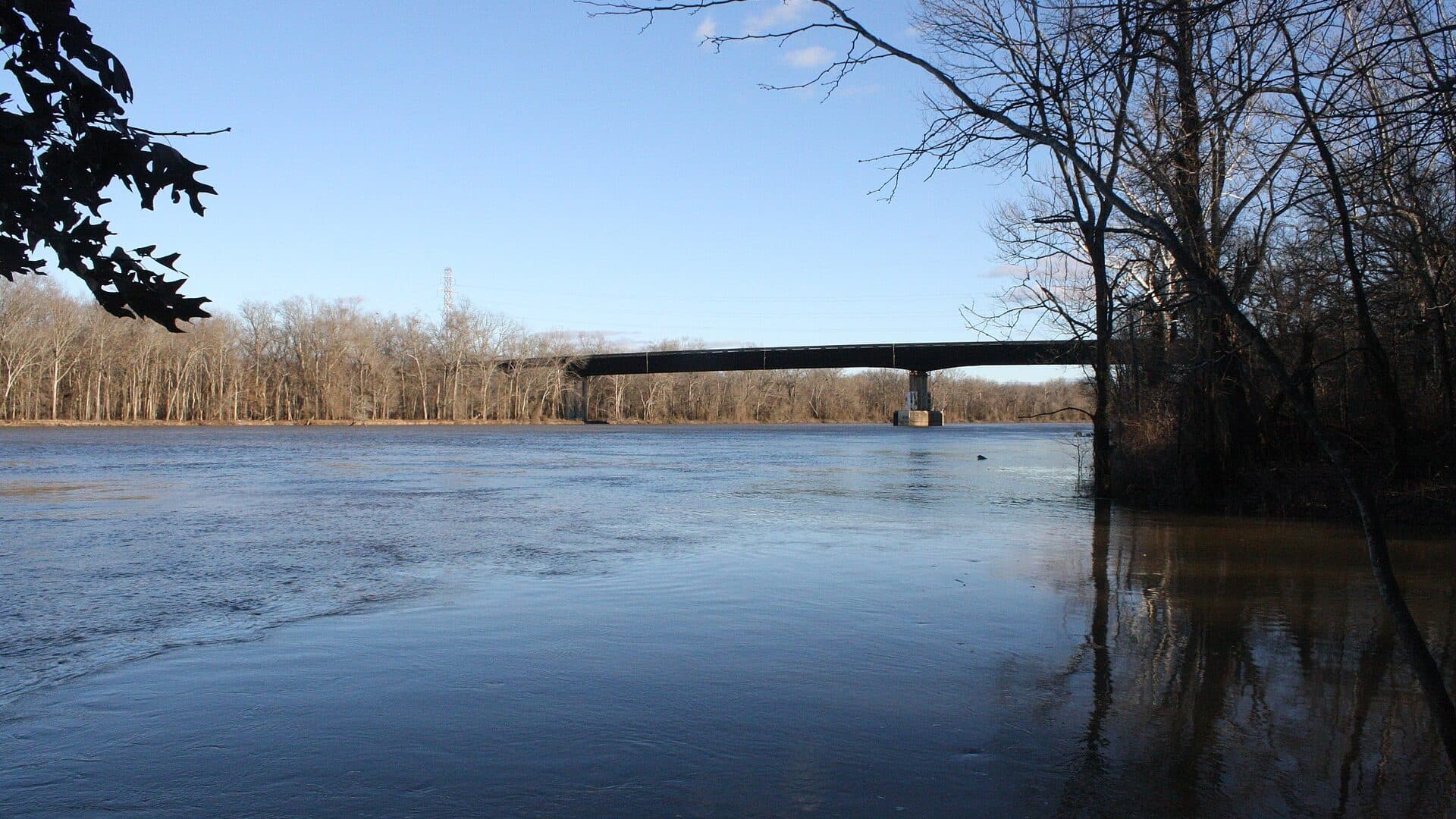
Arkansas / Southeast
White River
Check if White River is fishable today with live flow context, weather, access, regulations, hatch timing, flies, and source links.

Arkansas / Ozarks
Buffalo River
Check if Buffalo River is fishable today with live flow context, weather, access, regulations, hatch timing, flies, and source links.

Arkansas / Ozarks
Eleven Point River
Check if Eleven Point River is fishable today with live flow context, weather, access, regulations, hatch timing, flies, and source links.

Arkansas / Ozarks
Kings River
Check if Kings River is fishable today with live flow context, weather, access, regulations, hatch timing, flies, and source links.
Arkansas / Ozarks
Spring River
Check if Spring River is fishable today with live flow context, weather, access, regulations, hatch timing, flies, and source links.