Arkansas / Southeast
Norfork Tailwater
A North Fork of the White River tailwater report for generation timing, compact wade access, technical nymphing, and current rule checks.
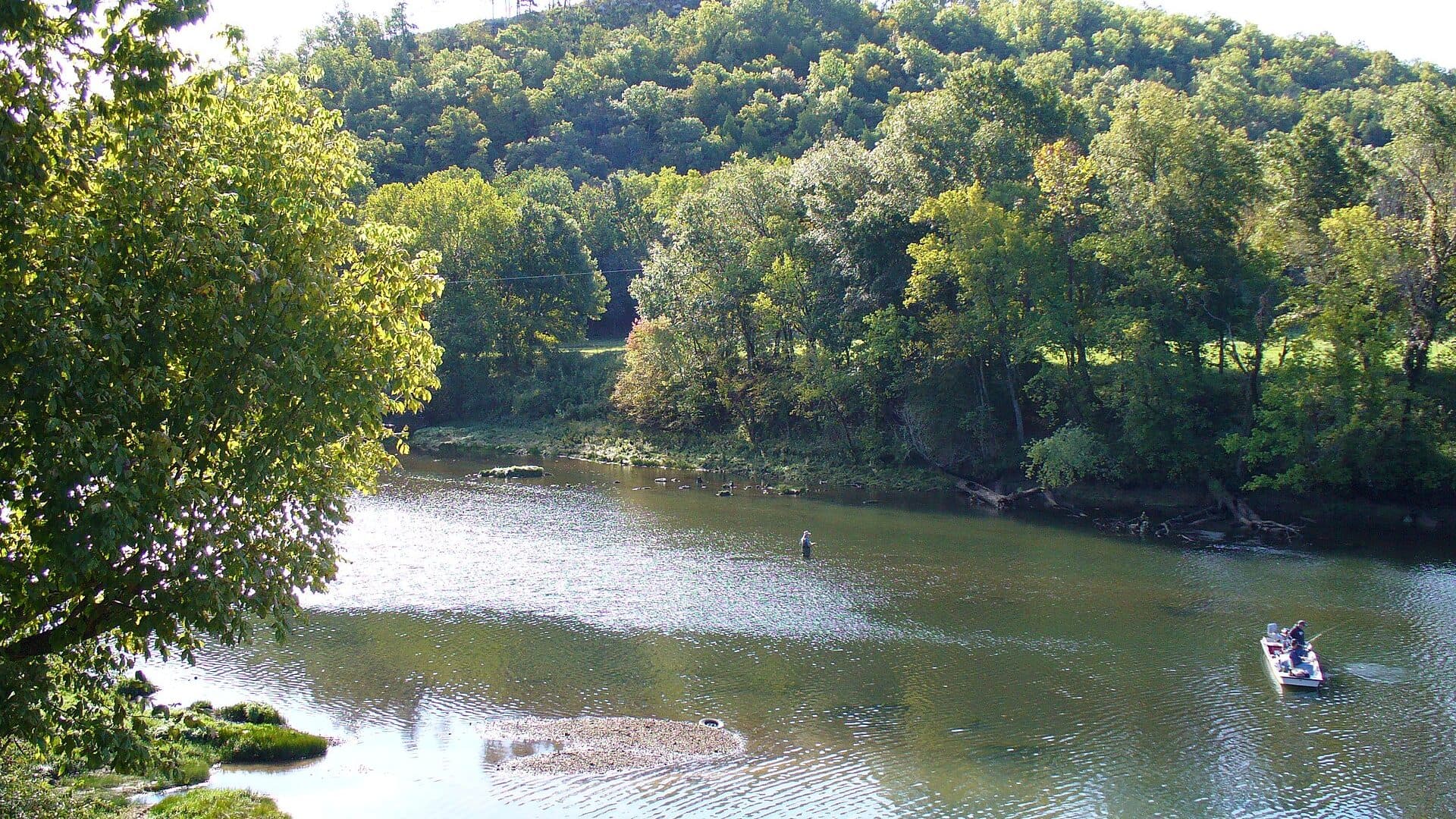
Image: Norfork Tailwater / CC BY-SA 2.5 / Wikimedia CommonsFishability now: Norfork Tailwater fishability today
UnknownData confidence: Medium44/100
Check live sources first because flow has been checked, weather is usable, and no public alert is active.
Flow observed
Not returned
Weather observed
5:00 PM UTC
Score calculated
5:27 PM UTC
Why this rating
Flow
Weather
Public alerts
Next 6-12 hours
Hold
Wait for a better live check before committing the drive or choosing a wading plan.
Flow check
No live chart
Current trend: previous-score comparison will become more useful after repeated live checks.
More planning details: flies, flow bands, and live source checks
Fish it today
Start here
Start with the Norfork Dam tailwater and Norfork Access framework, then decide if the day fits wading, bank fishing, or a boat. Treat the fish hatchery as context, not open fishing access.
Best flow clue
Use RiverGages NFDA4 and current Norfork release information before stepping into the river. The page does not rely on a precise embedded USGS live graph, so signs, sirens, local release data, and rising water are the final safety checks.
Skip trigger
Skip or reset the Norfork plan when release information is unclear, water is rising, the short reach is already crowded, current AGFC rules are not confirmed, or the intended access requires crossing unsafe shoals.
Flow decision bands
Low but fishable
Low-generation windows can make the compact tailwater wadeable, but every shoal needs a clear exit before fishing.
Best technical window
Known low or steady generation, clear water, and current AGFC trout rules make the best small-fly setup.
Pushy or unsafe
Rising water should end the wade plan early because the short tailwater has fewer escape options than a broad river.
No embedded chart
Use RiverGages NFDA4 and Norfork release information as the decision source until a precise public USGS chart is verified.
Flow check
No live chart
Current trend: previous-score comparison will become more useful after repeated live checks.
No structured live flow
Use the linked flow and access sources before deciding.
Live NWS forecast
77F / Sunny
Water temperature not verified
Heat guidance uses weather and river type unless an official water-temperature value is available.
No NWS alert flag
No active NWS alert was returned for this forecast point.
Check USACE Norfork release data and RiverGages stage before stepping into a shoal.
AGFC 2026 rules reduced harvest opportunity, so verify the current limit before keeping trout.
Low water favors small nymphs, midges, scuds, and careful sight fishing.
Higher water favors boats, protected edges, and streamer or heavier nymph presentations.
Editorial review
How this report is maintained
This report is maintained from current regulation, access, flow, weather, and public planning sources so anglers can make better trip decisions than a raw gauge or generic overview would allow.
Byline
BlueStreamFly editorial team
Reviewed by
BlueStreamFly source review
Maintained by
Mountain Brook Run LLC
Last material review
2026-05-31
Report confidence
Fair confidence
82/100
Fair confidence: AGFC Norfork Tailwater material, trout-limit guidance, RiverGages NFDA4 station context, hatchery background, and weather data support the page. Confidence is limited by the lack of an embedded precise USGS chart and by fast generation changes.
Regulations
AGFC Norfork Tailwater and trout-limit sources support the legal-check path.
Access
AGFC trout-water material supports the public tailwater frame, but exact shoal, ramp, and crowd conditions need current confirmation.
Flow and weather
RiverGages NFDA4 and generation context are linked, but no precise embedded live USGS chart is verified for this short reach.
Fishing usefulness
The page now explains why Norfork needs a conservative no-gauge fallback, release-first wading decisions, and backup tailwater choices.
Fishability dashboard and source review
2026-05-31 / material content or source review
AGFC Norfork Tailwater information, AGFC trout-limit guidance, RiverGages NFDA4 station context, Norfork National Fish Hatchery background, generation reminders, and the National Weather Service point were checked before updating the no-gauge current-fishability fallback.
2026-05-31
Updated Norfork Tailwater to the current fishability-page standard with no-chart fallback language, generation-first planning, access cards, backup cues, stable fishability SEO, and confidence signals.
2026-05-28
Added Norfork Tailwater trip-fit guidance, Norfork Dam release and RiverGages framing, compact-access nuance, current AGFC rule reminders, pressure timing, backup-water suggestions, editorial review signals, and a page-specific report-confidence meter after source review.
2026-05-24
Initial source-reviewed report published with no-live-gauge flow guidance, weather, hatches, flies, tactics, access, regulations, and FAQs.
Angler planning edge
Local details that change the plan
Best for
Anglers who want a short, technical Arkansas trout tailwater and will check Norfork Dam releases first, Low-water sight-fishing, midge, scud, and small-nymph plans when shoals are safely approachable, Boat or guide-supported fishing when generation turns the compact tailwater into a higher-water edge and streamer plan, White River travelers who can use Norfork as a separate release window rather than treating it as the same river
Wade or float
Treat Norfork as a compact dam-controlled wade-or-boat report. Low water can be excellent for careful wading, but the short reach changes quickly when generation starts.
Best flows
Use RiverGages NFDA4 and current Norfork release information before stepping into the river. The page does not rely on a precise embedded USGS live graph, so signs, sirens, local release data, and rising water are the final safety checks.
When to skip
Skip or reset the Norfork plan when release information is unclear, water is rising, the short reach is already crowded, current AGFC rules are not confirmed, or the intended access requires crossing unsafe shoals.
Local plan
Start with the Norfork Dam tailwater and Norfork Access framework, then decide if the day fits wading, bank fishing, or a boat. Treat the fish hatchery as context, not open fishing access.
Pressure
Because the tailwater is short, crowding can affect nearly the whole practical fishery. A second timing window or White River backup is often more useful than forcing the first shoal.
Access nuance
AGFC defines the fishery and current rules, but the compact reach, dam releases, hatchery boundaries, ramps, and posted signs control what is actually fishable.
Backup water
If Norfork is high, crowded, or rule-confusing, compare the White River or Little Red River for a different Arkansas tailwater release window.
About the river
Setting, character, and why it fishes the way it does.
The Norfork Tailwater is the lower North Fork of the White River below Norfork Dam, running a short distance before joining the White River.
AGFC manages the trout fishery from Norfork Dam to the confluence with the White River, and the Norfork National Fish Hatchery supports regional trout stocking.
The short length of the tailwater makes it easier to understand than a large river, but it also concentrates pressure and makes release timing critical.
Because the name can be confused with other North Fork rivers, this page uses Norfork Tailwater and North Fork of the White River, Arkansas, together.
Target species
Rainbow trout
The main stocked and harvest-relevant trout under current AGFC tailwater limits.
Brown trout
A prized fish in the system, but current upper-tailwater rules may require immediate release.
Cutthroat trout
Supported by regional hatchery work; check current regulations before any harvest assumption.
Brook trout
Possible in the tailwater mix, with limits controlled by current AGFC regulations.
Reading the water
Low generation
Fish small nymphs, midges, and scuds with careful drifts through shoals, troughs, and tailouts.
Rising water
Leave wading positions quickly. The short tailwater gives fewer escape options than a broad freestone river.
High generation
Use boat or bank plans only where safe. Streamers and heavier rigs can replace low-water midge tactics.
Clear pressured water
Downsize tippet, use natural profiles, and avoid lining fish in slow slicks.
Best seasons
Winter
Midges, eggs, scuds, and careful low-water work can be productive. Avoid disturbing spawning areas.
Spring
Good technical fishing when generation cooperates. Watch storms and reservoir management.
Summer
Cold water keeps the trout fishery active, but recreation pressure and generation timing matter.
Fall
Low-light streamer and nymph windows can be useful, with extra care around brown trout spawning behavior.
Flow
Norfork Dam tailwater
This page did not embed a precise public USGS graph for the short Norfork Tailwater. Use USACE Norfork release data and RiverGages NFDA4 stage information before wading, then treat local signs and rising water as the final safety check.
Official water source
RiverGages NFDA4 at Norfork Dam
Use this Corps of Engineers station with the current Norfork Dam release schedule before choosing any wading plan.
Open official sourceWeather
River weather report
Weather can change wading safety, road access, water temperature, hatches, and the best time of day to fish.
Live forecast loads as you reach this section
This keeps the report fast while still using the official National Weather Service forecast point.
Hatches and flies
Hatch chart and fly picks
Winter
Midges and sparse surface feeding
Zebra midge, ruby midge, egg, scud, sowbug
Spring
Midges, caddis, small mayflies
Soft hackle, caddis pupa, pheasant tail, hare's ear
Summer
Midges, caddis, terrestrials near banks
Midge emerger, elk hair caddis, ant, beetle, micro streamer
Fall
Midges and low-light streamer windows
Zebra midge, leech, sculpin, small baitfish, soft hackle
Technical nymphs
Zebra midge, scud, sowbug, pheasant tail, micro mayfly
Use during low to moderate generation when fish hold in troughs and soft seams.
Soft hackles
Partridge and orange, partridge and peacock, caddis soft hackle
Swing through shoal edges and riffles when trout move for emergers.
Streamers
Woolly bugger, pine squirrel leech, sculpin, white baitfish
Use during generation, stained water, or low-light brown trout windows.
Small dries
Griffith's gnat, tiny BWO, parachute Adams, elk hair caddis
Use only when fish are feeding on top in slicks or shallow flats.
Tactics
How to fish it
Confirm release and stage before wading; recheck if you hear sirens or see water color and speed change.
On low water, fish upstream or across-and-up with small rigs and clean mends.
Use long drifts through troughs, but shorten the cast when line control starts hurting the presentation.
When generation rises, switch to bank edges, boat plans, or leave the river.
Avoid redds and visibly paired trout during spawning windows.
Do not confuse Dry Run Creek rules with the main Norfork Tailwater rules.
Rigging
Rod, leader, and setup notes
A 9-foot 4-weight or 5-weight is a good low-water nymph and dry-fly setup.
Use 5X or 6X for tiny midges in clear, pressured water.
Carry enough split shot to adjust depth, but avoid dragging heavy rigs through shallow shoals.
A 6-weight streamer rod is useful when generation creates deeper banks and seams.
Use a wading belt, staff, and conservative exit plan.
Access
Access and planning notes
Norfork Dam tailwater
Release-timed wadingWade / float / trail
Wade / bank / boat
When to pick it
Start here only when generation and stage are low or steady enough for the planned access.
Caution
Leave before water rises; do not wait for obvious danger in a compact tailwater.
Public shoals and access near Norfork
Technical nymphingWade / float / trail
Wade / short walk
When to pick it
Use these when current signs, parking, and trout rules are confirmed.
Caution
Crowding and slick footing make low water less forgiving than it looks.
Boat or guide water
Generation backupWade / float / trail
Boat / bank support
When to pick it
Pick this when generation limits wading but the river is still fishable by boat.
Caution
Boat plans still need current release, ramp, and weather checks.
AGFC describes the Norfork fishery as the North Fork of the White River from Norfork Dam to the White River confluence.
The tailwater is short enough that crowded or changing conditions can affect nearly every public spot.
USACE and RiverGages information should be checked before assuming a shoal is safe to cross.
Current AGFC limits are tied to 2026 hatchery-shortage rules and may change.
Use posted signs if they are more specific than a web summary.
Regulations
Check before fishing
Check current AGFC trout regulations before fishing. AGFC's 2026 update says trout anglers on the North Fork River from Norfork Dam to Norfork Access may keep two rainbow trout under 14 inches, and all other trout species must be released immediately. Verify current rules and any special zones before keeping fish.
Primary base
Norfork or Mountain Home, Arkansas
Best day style
Compact tailwater wading and boat access
Check first
USACE Norfork generation, RiverGages stage, AGFC trout limits
Safety
Rapid water-level changes, slick shoals, cold water, limited exits
Gear
Helpful gear for this water
Wading staff
Useful in slick shoals and essential when water can rise quickly.
Small nymph box
Midges, scuds, sowbugs, and micro mayflies cover many low-water windows.
Streamer setup
Helpful when generation makes the river deeper and faster.
PFD for boat days
The safer choice whenever the plan involves drifting or higher water.
Nearby water
Other water to research
Backup logic
High water
Switch to a boat-supported approach, compare the White River, or wait for a safer generation window.
Heat
Use quick releases and early sessions even though cold tailwater helps the trout fishery.
Storms or stain
Check stage and visibility before trying a small-fly shoal plan.
Access issue
Move to another signed access or the White/Little Red rather than forcing private or uncertain banks.
White River
The larger trout tailwater connected to the Norfork system, with more boat-oriented water.
Little Red River
Another Arkansas dam-controlled trout fishery with its own release schedule.
Bull Shoals tailwater
A White River reach to research when you want a bigger river plan below Bull Shoals Dam.
FAQ
Fast answers
Is Norfork Tailwater fishable today?
Norfork Tailwater needs a live-condition check before you commit. The live score is 44/100, based on current flow, weather, public alerts, and the report's planning context. Recheck the linked gauge and forecast before leaving because conditions can change quickly after rain, heat, access changes, or flow swings.
What flow is best for Norfork Tailwater?
Use RiverGages NFDA4 and current Norfork release information before stepping into the river. The page does not rely on a precise embedded USGS live graph, so signs, sirens, local release data, and rising water are the final safety checks.
When should I skip Norfork Tailwater?
Skip or reset the Norfork plan when release information is unclear, water is rising, the short reach is already crowded, current AGFC rules are not confirmed, or the intended access requires crossing unsafe shoals.
Is Norfork Tailwater safe to wade right now?
The fishability score is not a wading guarantee. Wade only where your chosen access has safe edges, clear footing, legal entry, and no forced crossings; high, rising, stained, or storm-affected water should be treated conservatively.
Is the Norfork Tailwater the same as the White River?
No. It is the lower North Fork of the White River below Norfork Dam before it joins the White River.
Can you wade the Norfork Tailwater?
Often yes during low generation, but dam releases can make wading unsafe quickly. Check USACE and RiverGages first.
What flies should I bring?
Bring zebra midges, scuds, sowbugs, pheasant tails, soft hackles, eggs, small dries, and a few streamers.
Are current trout limits different?
Yes. AGFC announced 2026 tailwater limits connected to hatchery shortages. Always verify the current AGFC rules.
Sources
Source set for this report
Reviewed 2026-05-31