Wyoming / West
Yellowstone River In Yellowstone Park
A reach-aware Yellowstone Park report that keeps closures, native cutthroat rules, road status, and official NPS sources ahead of generic fishing advice.
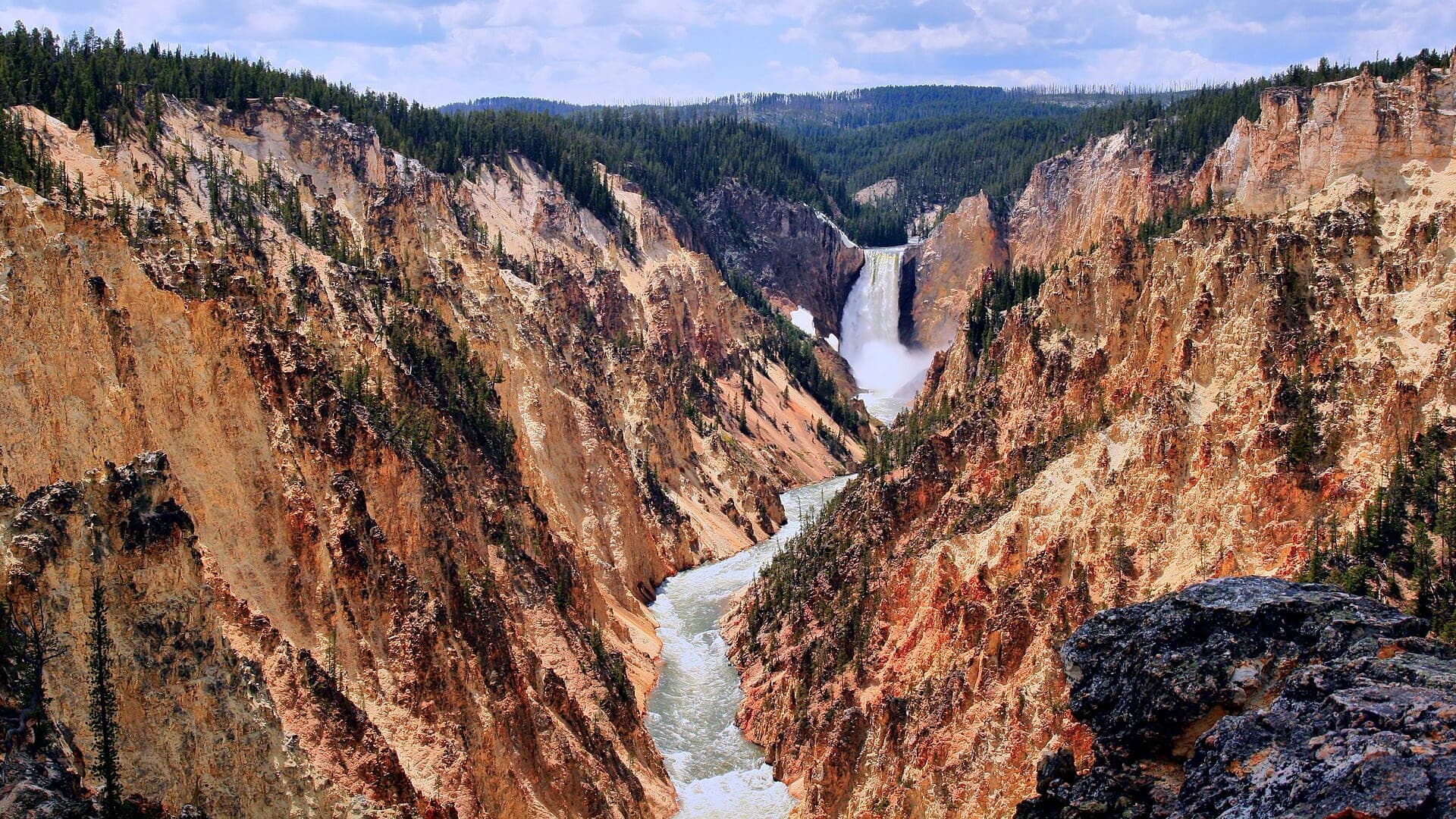
Image: Grand canyon of Yellowstone and Yellowstone fall nn edit1 / CC BY-SA 3.0 / Brocken InagloryFishability now: Yellowstone River In Yellowstone Park fishability today
GreatData confidence: High96/100
Fishable now because Yellowstone Lake Outlet gauge is stable, weather is mild, and no public alert is active.
Flow observed
4:30 PM UTC
Weather observed
5:00 PM UTC
Score calculated
5:26 PM UTC
Why this rating
Flow
Weather
Public alerts
Next 6-12 hours
Hold
Stable live data supports staying with the plan, but recheck the gauge and forecast before leaving.
USGS flow
2,770 cfs
Current trend: flow stable, so weather, temperature, and access checks drive the next change.
More planning details: flies, flow bands, and live source checks
Fish it today
Start here
Start with the NPS fishing page and 2026 regulation PDF, then match the day to the Southeast or Northeast reach guidance. Use the lake-outlet gauge for upper context, and keep canyon, Hayden Valley, Fishing Bridge, and other closure notes in front of fly choice.
Best flow clue
Use USGS 06186500 at the Yellowstone Lake Outlet for upper-river context. Stable or gradually improving flows are easiest to plan around, while high runoff, canyon closures, road impacts, or cutthroat conservation concerns should end the trip plan.
Skip trigger
Skip the Yellowstone inside the park when the exact reach is closed, native trout rules are unclear, road or wildlife conditions are poor, the river is high or cold after runoff, or the day depends on downstream Montana assumptions.
Flow decision bands
Legal reach first
Open dates, permanent closures, native cutthroat rules, and the exact reach decide the day before flow does.
Lake-outlet flow context
Stable or improving Lake Outlet flow is the best upper-river signal when roads and rules are clear.
Runoff, canyon, or road stop
High cold runoff, canyon closure, road impact, or wildlife conflict should end the plan.
Conservation restraint
Native cutthroat recovery and reach-specific rules should keep handling quick and decisions conservative.
USGS flow
2,770 cfs
Current trend: flow stable, so weather, temperature, and access checks drive the next change.
Live USGS flow
2,770 cfs / stable
Live NWS forecast
55F / Sunny
Water temperature not verified
Heat guidance uses weather and river type unless an official water-temperature value is available.
No NWS alert flag
No active NWS alert was returned for this forecast point.
Check the 2026 NPS regulation PDF and the Southeast/Northeast reach pages before fishing.
Several high-profile areas are permanently closed, including Fishing Bridge-area and canyon-related reaches.
Native Yellowstone cutthroat conservation is the core fishery issue.
Use the lake-outlet USGS gauge for upper river context and current park conditions for access.
Editorial review
How this report is maintained
This report is maintained from current regulation, access, flow, weather, and public planning sources so anglers can make better trip decisions than a raw gauge or generic overview would allow.
Byline
BlueStreamFly editorial team
Reviewed by
BlueStreamFly source review
Maintained by
Mountain Brook Run LLC
Last material review
2026-06-01
Report confidence
High confidence
90/100
High confidence: NPS fishing rules, 2026 regulation PDF, reach-specific pages, current-condition sources, USGS Lake Outlet flow, weather coverage, fish-ecology context, licensed media, and route-specific park guidance support the page. Confidence remains moderated by closures, road conditions, wildlife, runoff, and native cutthroat conservation.
Regulations
Yellowstone fishing pages, the 2026 regulation PDF, and Southeast/Northeast reach pages support reach-specific rule checks.
Access
NPS reach and current-condition pages support the access framework, with road, closure, wildlife, and safe-bank checks still needed.
Flow and weather
USGS 06186500 at Yellowstone Lake Outlet and the National Weather Service point support live flow and weather decisions.
Fishing usefulness
The page now separates legal reach choice, native cutthroat conservation, permanent closures, flow context, road and wildlife safety, pressure, and backup-water decisions.
Fishability dashboard and source review
2026-06-01 / material content or source review
Yellowstone National Park fishing rules, the 2026 park regulation PDF, NPS Southeast and Northeast Yellowstone reach pages, current park conditions, USGS Yellowstone Lake Outlet flow data, National Weather Service data, NPS fish-ecology information, and route-specific media-credit sources were checked before updating the current-fishability decision layer.
2026-06-01
Updated Yellowstone River in Yellowstone Park to the current fishability-page standard with reach-by-reach flow bands, park access cards, backup cues, stable fishability SEO, and confidence signals.
2026-05-28
Added Yellowstone River park trip-fit guidance, reach-by-reach access planning, lake-outlet gauge framing, native cutthroat and closure nuance, pressure timing, backup-water suggestions, editorial review signals, and a page-specific report-confidence meter after source review.
2026-05-25
Initial source-reviewed report published with flows, weather, hatches, flies, tactics, access, regulations, and FAQs.
Angler planning edge
Local details that change the plan
Best for
Anglers planning Yellowstone River water inside the park who will choose the exact legal reach before fishing, Native Yellowstone cutthroat-focused trips where conservation rules, open dates, and permanent closures lead the plan, Park visitors who can adjust to road status, wildlife, weather, and crowding before choosing a pullout, Experienced anglers who understand that downstream Montana Yellowstone information is a separate report and rule set
Wade or float
Treat this as a reach-by-reach park access and wade report. The right choice is not simply where the river looks good; it is where current NPS rules, open dates, closures, road status, and safe access all line up.
Best flows
Use USGS 06186500 at the Yellowstone Lake Outlet for upper-river context. Stable or gradually improving flows are easiest to plan around, while high runoff, canyon closures, road impacts, or cutthroat conservation concerns should end the trip plan.
When to skip
Skip the Yellowstone inside the park when the exact reach is closed, native trout rules are unclear, road or wildlife conditions are poor, the river is high or cold after runoff, or the day depends on downstream Montana assumptions.
Local plan
Start with the NPS fishing page and 2026 regulation PDF, then match the day to the Southeast or Northeast reach guidance. Use the lake-outlet gauge for upper context, and keep canyon, Hayden Valley, Fishing Bridge, and other closure notes in front of fly choice.
Pressure
Pressure follows road access, famous viewpoints, cutthroat timing, and good weather. Give other anglers and wildlife room, and have a second legal reach ready if the first pullout is crowded.
Access nuance
Yellowstone access is controlled by park rules, roads, closures, wildlife, and fragile habitat. A visible riverbank is not enough; the exact reach must be open, safe, and legal before fishing.
Backup water
If the Yellowstone reach you wanted is closed, high, crowded, or unsafe, compare the Madison inside the park, the Montana Yellowstone downstream of the park, or the Snake River for a different cutthroat plan.
About the river
Setting, character, and why it fishes the way it does.
The Yellowstone River begins high in the Greater Yellowstone region, passes through Yellowstone Lake, and continues through some of the park's most sensitive and visited country.
Inside the park, the river is not one simple regulation zone. Lake outlet, Hayden Valley, canyon, and Northeast sections can have different rules, closures, and access realities.
This report is built around conservation and legal planning first, then practical fly fishing for open water where fishing is allowed.
Target species
Yellowstone cutthroat trout
The central native trout; release and conservation rules must be followed carefully.
Mountain whitefish
Native fish that can take nymphs in legal open water.
Rainbow trout and hybrids
Nonnative/hybrid rules vary by reach; check NPS text before any assumption.
Brook trout
Nonnative fish with reach-specific handling rules in park regulations.
Reading the water
Open, clear, cool reach
Best for dries, dry-droppers, and careful sight fishing.
Closed or uncertain reach
Do not fish. Move to a confirmed legal water instead.
High spring water
Even if open, crossing and wading can be dangerous; use edges only.
Warm summer water
Fish early, check temperature, and reduce native-trout handling stress.
Best seasons
Spring
Many planning questions are open-date and runoff related; check NPS rules first.
Summer
Primary dry-fly and terrestrial season on legal reaches, with crowds and heat checks.
Fall
Cooler water and fewer crowds can help, but road/weather changes matter.
Winter
Use for research only unless NPS rules clearly allow a specific reach.
USGS flow
Yellowstone River at Yellowstone Lake Outlet
This is the fallback for rivers that are not covered by RiverReports. Use the official USGS monitoring page for the live hydrograph, station metadata, and current water trend.
Open USGS gaugeUSGS data chart
Yellowstone River at Yellowstone Lake Outlet
Streamflow over the latest USGS reporting window.
Latest
2,770 cfs
Jun 3, 4 PM UTC
Weather
River weather report
Weather can change wading safety, road access, water temperature, hatches, and the best time of day to fish.
Live forecast loads as you reach this section
This keeps the report fast while still using the official National Weather Service forecast point.
Hatches and flies
Hatch chart and fly picks
Late May to June
Cold-water midges, BWOs, caddis, and early stoneflies when park water is open
Zebra midge, BWO emerger, caddis pupa, golden stone nymph, soft hackle
July
PMDs, caddis, golden stones, Green Drakes in suitable water, and spinner falls
PMD emerger, X-caddis, golden stone dry, green drake, rusty spinner
August to September
Terrestrials, ants, beetles, hoppers, small caddis, and evening spinners
Foam ant, beetle, hopper, small caddis, parachute Adams, sparkle dun
October
BWOs, midges, streamers where legal, and short cold-weather feeding windows
BWO emerger, midge pupa, small soft hackle, sculpin, olive bugger
Park dries
PMD, BWO, caddis, parachute Adams, ant, beetle, hopper, small stonefly dry
Use only after checking the open reach and park rules; keep native-trout handling quick.
Park nymphs
Pheasant tail, hare's ear, zebra midge, caddis pupa, small stonefly, soft hackle
Use in cold, clear, or deeper water where a dry fly is not moving fish.
Careful streamer work
Olive bugger, small sculpin, soft-hackle streamer, leech
Use only where legal and practical; regulations and native-fish conservation come first.
Tactics
How to fish it
Confirm the exact open reach before leaving the vehicle.
Use single dries and dry-droppers in clear legal water where cutthroat are looking up.
Nymph riffle edges with simple rigs when surface feeding is light.
Avoid walking or casting near closed zones, bridge closures, and canyon closures.
Handle native cutthroat in the water and stop fishing when water temperature or crowds make safe release poor.
Rigging
Rod, leader, and setup notes
A 4 or 5-weight with floating line is right for most legal park trout water.
Carry 4X to 6X tippet, barbless flies, a thermometer, and bear spray.
Use small dry flies, terrestrials, caddis, PMDs, BWOs, and simple nymphs.
Bring layers and a road-status backup plan for high-elevation weather.
Access
Access and planning notes
Yellowstone fishing rules
Reach legalityWade / float / trail
NPS rules / wade
When to pick it
Start here before picking a pullout, fly, or target reach.
Caution
Permanent closures and native trout rules override a good fishability score.
Yellowstone Lake Outlet gauge
Upper-river flow contextWade / float / trail
USGS gauge / reach context
When to pick it
Use this when runoff, cold water, and upper-river trend decide the trip.
Caution
It is context for a broad park river, not permission to fish every reach.
Southeast and Northeast park reaches
Reach-by-reach planningWade / float / trail
Roadside / trail / wade
When to pick it
Pick these only when NPS reach guidance, road status, wildlife, and flow all line up.
Caution
Fishing Bridge, canyon areas, Hayden Valley, and other named closures need exact checks.
Fishing Bridge, LeHardys Rapids, Hayden Valley, canyon, and other reach closures must be checked in current NPS rules.
Downstream of Gardiner is a Montana regulation topic, not this park page.
Road, bear, bison, fire, and weather conditions can change access after the page is reviewed.
Regulations
Check before fishing
Check Yellowstone National Park's current regulation PDF and reach-specific NPS pages before fishing. This report does not replace the park permit, open dates, permanent closures, or native-fish conservation rules.
Primary base
Fishing Bridge, Hayden Valley, Canyon, and Northeast Entrance context
Best day style
Park access with reach-by-reach closures and native-trout rules
Check first
Yellowstone permit, 2026 NPS reach rules, permanent closures, road status, USGS flow, and weather
Safety
Closed reaches, wildlife, cold water, thermal areas, traffic, and high-elevation storms
Gear
Helpful gear for this water
4 to 6-weight rod
Covers dries, nymphs, small streamers, and most trout-water wind.
Thermometer
Check water temperature before trout handling in summer or thermal water.
Wading staff
Western rivers and tailwaters have pushy seams, slick rocks, and sudden drop-offs.
Rain shell and layers
Mountain weather can change quickly even when the forecast looks mild.
Nearby water
Other water to research
Backup logic
Closed or unclear reach
Do not fish; compare Madison inside the park, Montana Yellowstone downstream, or Snake River.
High or cold runoff
Wait for a safer flow window or choose a lower-risk legal water.
Road or wildlife issue
Give wildlife room and move to another legal reach or route.
Crowding or conservation concern
Rest the reach, shorten handling, and use a less pressured backup.
Madison River In Yellowstone Park
Another Yellowstone park page where permit, open-reach, and thermal checks matter.
Yellowstone River
The Montana Paradise Valley page downstream of the park.
Snake River
A Grand Teton/Jackson Hole cutthroat plan with different park rules.
FAQ
Fast answers
Is Yellowstone River In Yellowstone Park fishable today?
Yellowstone River In Yellowstone Park looks very fishable right now. The live score is 96/100, based on current flow, weather, public alerts, and the report's planning context. Recheck the linked gauge and forecast before leaving because conditions can change quickly after rain, heat, access changes, or flow swings.
What flow is best for Yellowstone River In Yellowstone Park?
Use USGS 06186500 at the Yellowstone Lake Outlet for upper-river context. Stable or gradually improving flows are easiest to plan around, while high runoff, canyon closures, road impacts, or cutthroat conservation concerns should end the trip plan.
When should I skip Yellowstone River In Yellowstone Park?
Skip the Yellowstone inside the park when the exact reach is closed, native trout rules are unclear, road or wildlife conditions are poor, the river is high or cold after runoff, or the day depends on downstream Montana assumptions.
Is Yellowstone River In Yellowstone Park safe to wade right now?
The fishability score is not a wading guarantee. Wade only where your chosen access has safe edges, clear footing, legal entry, and no forced crossings; high, rising, stained, or storm-affected water should be treated conservatively.
What should I check before fishing Yellowstone River In Yellowstone Park?
Yellowstone permit, 2026 NPS reach rules, permanent closures, road status, USGS flow, and weather
Which flow should I use for Yellowstone River In Yellowstone Park?
Use USGS 06186500 at the Yellowstone Lake outlet for upper park context, then check current NPS reach rules and conditions before treating flow as fishable access.
Where should I start on Yellowstone River In Yellowstone Park?
Start by choosing the exact park reach, then compare it against the NPS regulation PDF, Southeast/Northeast pages, current conditions, and road status.
Can I wade Yellowstone River In Yellowstone Park?
Only in confirmed open reaches and safe flows. Closed zones, canyon water, wildlife, and cold current make casual wading a bad default.
Sources
Source set for this report
Reviewed 2026-06-01