Washington / Pacific Northwest
Spokane River
A Spokane River report for urban redband trout and warmwater planning, with flow, rules, temperature, access, hatches, and safe handling notes.
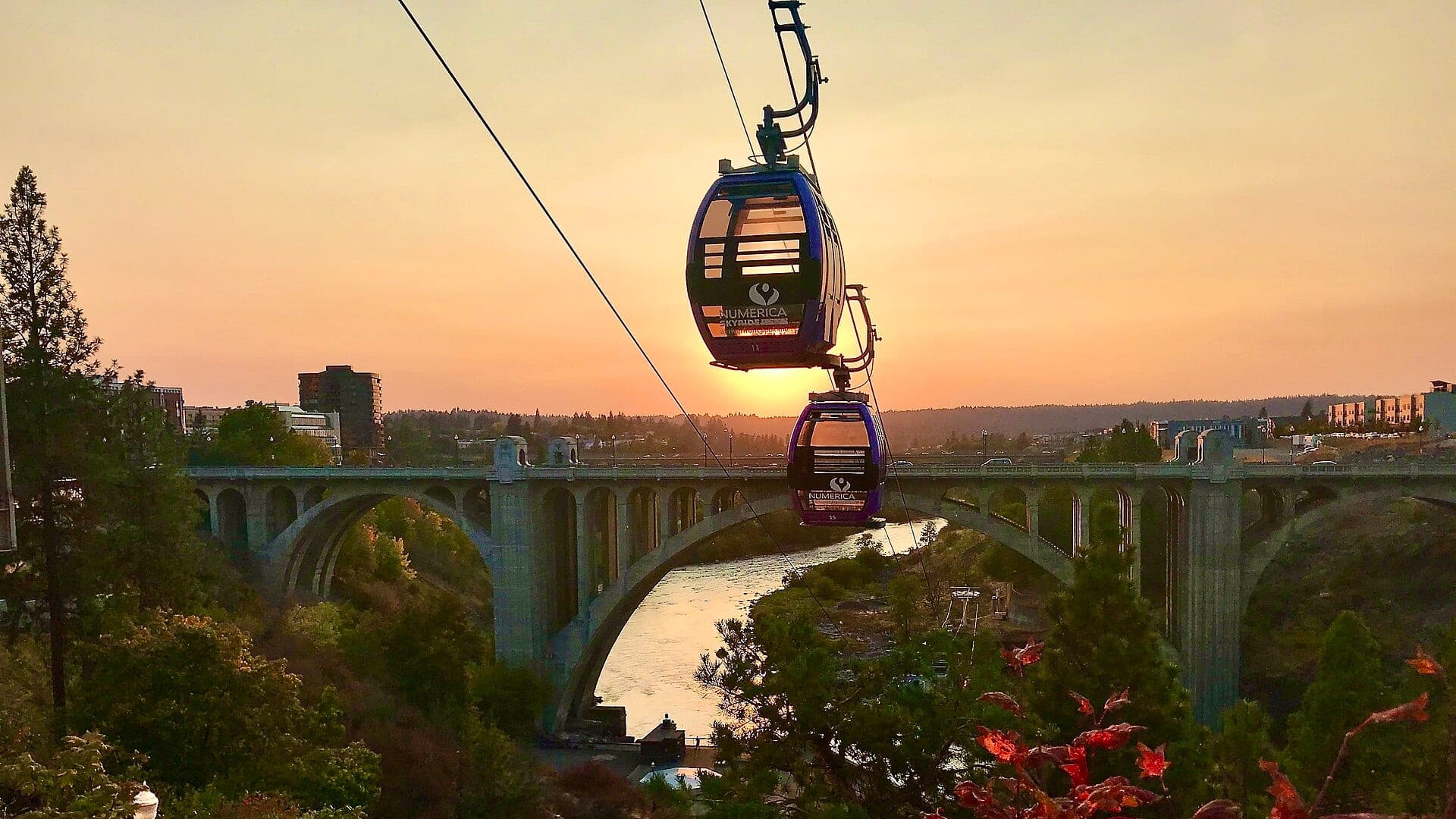
Image: Spokane Washington Spokane River / CC BY-SA 4.0 / ARCloudFishability now: Spokane River fishability today
GreatData confidence: High91/100
Fishable now because Spokane gauge is falling, weather is mild, and no public alert is active.
Flow observed
4:00 PM UTC
Weather observed
4:00 PM UTC
Score calculated
4:22 PM UTC
Why this rating
Flow
Weather
Public alerts
Next 6-12 hours
Improving / hold
A falling gauge and usable weather should keep the next 6-12 hours in play unless tributaries stain or heat builds.
USGS flow
4,240 cfs
Current trend: flow falling, rating likely holding strong unless weather or clarity changes.
More planning details: flies, flow bands, and live source checks
Fish it today
Start here
Start with the Spokane gauge and the legal access point, then choose the method. Nymph riffle edges when cool flows support trout, swing soft edges in shoulder seasons, or switch to streamers and warmwater flies only where that plan fits the reach.
Best flow clue
Use USGS 12422500 at Spokane as the core live trend. Moderate, stable flow with cool water is the best trout fit; high water, heat, or sudden flow changes should move the plan to bank observation, bass water, or another river.
Skip trigger
Skip redband trout fishing when water temperatures are high, when WDFW rules or posted access are unclear, when urban runoff or safety conditions look poor, or when the day would require wading pushy canyon water alone.
Flow decision bands
Cool stable trout window
Stable Spokane flow with cool water is the strongest redband signal.
Warmwater pivot
When heat or water temperature stresses trout, shift away from redband handling and use only legal warmwater tactics where appropriate.
Canyon safety
Pushy flow, slick basalt, or sudden flow changes should keep the plan on the bank.
Urban access and water quality
Posted sections, runoff, bridge hazards, and park rules can override a good flow reading.
USGS flow
4,240 cfs
Current trend: flow falling, rating likely holding strong unless weather or clarity changes.
Live USGS flow
4,140 cfs / falling about 26%
Live NWS forecast
64F / Partly Sunny
Water temperature not verified
Heat guidance uses weather and river type unless an official water-temperature value is available.
No NWS alert flag
No active NWS alert was returned for this forecast point.
Use USGS Spokane for the core live flow check.
Treat native redband trout as the trust signal on this page: quick release, cool water, and careful handling.
Smallmouth and other warmwater fish can matter in warmer sections.
Urban access means checking closures, posted areas, and water-quality context before wading.
Editorial review
How this report is maintained
This report is maintained from current regulation, access, flow, weather, and public planning sources so anglers can make better trip decisions than a raw gauge or generic overview would allow.
Byline
BlueStreamFly editorial team
Reviewed by
BlueStreamFly source review
Maintained by
Mountain Brook Run LLC
Last material review
2026-06-01
Report confidence
Good confidence
84/100
Good confidence: WDFW regulation, water-access, redband species, USGS Spokane flow, weather coverage, media credit, and route-specific urban guidance support the page. Confidence is moderated by limited reach-specific access detail, urban water-quality considerations, dam-influenced flow, and warm-water trout stress.
Regulations
WDFW regulation and native redband species sources support the legal and conservation framing.
Access
WDFW water-access information is attached, but exact parks, posted sections, trail routes, and water-quality conditions need current checks.
Flow and weather
USGS 12422500 at Spokane and the National Weather Service point support live flow and weather decisions.
Fishing usefulness
The page now separates redband handling, warm-water restraint, urban access, canyon safety, pressure, and backup-water decisions.
Fishability dashboard and source review
2026-06-01 / material content or source review
WDFW regulations, water-access information, WDFW redband and steelhead species context, USGS Spokane flow, National Weather Service data, and media-credit sources were checked before updating the current-fishability decision layer.
2026-06-01
Updated Spokane River to the current fishability-page standard with Spokane flow bands, urban access cards, backup cues, stable fishability SEO, and confidence signals.
2026-05-28
Added Spokane trip-fit guidance, urban bank and canyon wade planning, Spokane gauge framing, access nuance, pressure timing, backup-water suggestions, editorial review signals, and a page-specific report-confidence meter after source checks.
2026-05-25
Initial source-reviewed report published with flows, weather, hatches, flies, tactics, access, regulations, and FAQs.
Angler planning edge
Local details that change the plan
Best for
Anglers who want a real urban redband trout plan and will build the day around careful handling, Short sessions around legal parks, trails, and canyon access when flow and water temperature support ethical trout fishing, Summer anglers who can switch from trout to warmwater tactics when heat makes redband recovery questionable, Eastern Washington trips where posted access, water quality, and public-safety context are part of the decision
Wade or float
Treat the Spokane as a selective bank and wade report. Some canyon water can look inviting, but uneven basalt, urban hazards, dam-influenced flow, and posted sections make careful access choices more important than covering miles.
Best flows
Use USGS 12422500 at Spokane as the core live trend. Moderate, stable flow with cool water is the best trout fit; high water, heat, or sudden flow changes should move the plan to bank observation, bass water, or another river.
When to skip
Skip redband trout fishing when water temperatures are high, when WDFW rules or posted access are unclear, when urban runoff or safety conditions look poor, or when the day would require wading pushy canyon water alone.
Local plan
Start with the Spokane gauge and the legal access point, then choose the method. Nymph riffle edges when cool flows support trout, swing soft edges in shoulder seasons, or switch to streamers and warmwater flies only where that plan fits the reach.
Pressure
Pressure is local and access-driven rather than wilderness-style. Easy parks and trail corridors get the most use, while canyon reaches demand more caution and should not be treated as a casual crowd escape.
Access nuance
Urban river access changes block by block. WDFW access information helps, but anglers still need posted signs, park rules, bridge hazards, private edges, and water-quality context before stepping in.
Backup water
If the Spokane is too warm, too high, or access feels uncertain, compare the Yakima for a trout-first plan, the Grande Ronde for a more remote canyon decision, or the Deschutes for another basalt-river reference point.
About the river
Setting, character, and why it fishes the way it does.
The Spokane River flows from Idaho into Washington and through the city of Spokane before continuing toward Lake Spokane. This page focuses on the Washington urban and canyon fly-fishing plan.
The river is known for native redband rainbow trout, basalt structure, dam-influenced flow, and urban access. It can be very useful, but it is not a remote freestone trout stream.
A strong Spokane report should cover trout ethics, access, heat, and water quality alongside flies and tactics.
Target species
Redband rainbow trout
The signature trout; release quickly and avoid warm-water stress.
Smallmouth bass
Useful in warmer sections and summer ledge water.
Whitefish
Possible cold-water context where rules allow.
Warmwater species
Urban lower-gradient reaches may fish more like a mixed warmwater river.
Reading the water
Stable moderate flow
Best for reading riffles, ledges, and seams.
High flow
Stay off pushy ledges and fish banks only where safe.
Low summer flow
Fish early, check temperature, and consider bass instead of trout.
Dam changes
Watch the hydrograph for flow swings before committing to a wade.
Best seasons
Spring
Improving trout and smallmouth activity as flows become manageable.
Summer
Early and late windows matter; heat can stress trout.
Fall
Cooling water improves trout handling and streamer fishing.
Winter
Slow nymphing is possible during stable, legal, safe windows.
USGS flow
Spokane River at Spokane
This is the fallback for rivers that are not covered by RiverReports. Use the official USGS monitoring page for the live hydrograph, station metadata, and current water trend.
Open USGS gaugeUSGS data chart
Spokane River at Spokane
Streamflow over the latest USGS reporting window.
Latest
4,240 cfs
Jun 3, 5 PM UTC
Weather
River weather report
Weather can change wading safety, road access, water temperature, hatches, and the best time of day to fish.
Live forecast loads as you reach this section
This keeps the report fast while still using the official National Weather Service forecast point.
Hatches and flies
Hatch chart and fly picks
April to May
Warming smallmouth water, caddis, minnows, crayfish, and bank insects
Clouser, crayfish, hellgrammite, swimming nymph, small popper
June to August
Low-light topwater, hoppers, cicadas, damselflies, and shade-line baitfish
Foam popper, slider, cicada, hopper, baitfish streamer, crayfish
September to November
Cooling water, minnow movement, crayfish, and steady streamer fishing
Baitfish streamer, crayfish, hellgrammite, olive bugger, soft hackle
December to March
Deep winter holding water, midges, small baitfish, and limited warmwater windows
Small streamer, crawfish, black bugger, midge, jig fly
Topwater
Foam popper, slider, deer-hair bug, cicada, hopper
Use in low light, along shade, and over slow ledges when water is warm enough for bass.
Subsurface
Crayfish, hellgrammite, Clouser, baitfish streamer, olive bugger
Use through ledges, riffle tails, bridge shade, and deeper slots.
Trout crossover
Soft hackle, caddis pupa, small streamer, stonefly nymph
Use in mixed water where redband trout or warmwater fish may both be present.
Tactics
How to fish it
Fish riffle seams, basalt ledges, bridge shade, and pocket water with short casts.
Use soft hackles and small streamers for redband when water is cool.
Switch to poppers, crayfish, and baitfish patterns for smallmouth in warm stable water.
Avoid long fights and keep trout wet during warm weather.
Respect urban paths, posted land, and other river users.
Rigging
Rod, leader, and setup notes
A 5 or 6-weight is a good redband and light streamer rod.
A 6 or 7-weight is better for bass poppers and wind.
Carry floating and intermediate lines for ledges and deeper buckets.
Rubber soles with studs or strong traction help on basalt.
Access
Access and planning notes
Spokane gauge
Primary urban flowWade / float / trail
USGS gauge / bank / selective wade
When to pick it
Start here when current speed and temperature decide whether trout fishing is ethical.
Caution
The gauge does not confirm posted access, water quality, or safe canyon footing.
Urban parks and trails
Short session accessWade / float / trail
Bank / trail / scout
When to pick it
Use these when signs, park rules, and public entry are clear.
Caution
Urban access changes block by block; do not assume every bank is open.
Basalt canyon reaches
Experienced wade checkWade / float / trail
Bank / selective wade
When to pick it
Pick this only when flow is stable, footing is safe, and exits are obvious.
Caution
Uneven rock, isolated wades, and dam-influenced flow need conservative judgment.
Urban rivers require extra attention to posted closures and water-quality alerts.
Dams and hydro operations can affect flow and wading safety.
Summer trout handling should be limited when water temperatures are high.
Regulations
Check before fishing
Check WDFW regulations before fishing the Spokane River, including redband trout rules, season dates, gear requirements, and any access or water-quality advisories.
Primary base
Spokane, Spokane Valley, and Riverside-area access
Best day style
Urban parks, canyon paths, bridge access, and posted reaches
Check first
WDFW rules, Spokane flow, water temperature, access closures, water quality, and fish handling
Safety
Urban hydraulics, dams, cold releases, slick basalt, and summer heat
Gear
Helpful gear for this water
6 or 7-weight rod
Best all-around choice for bass poppers, streamers, and wind.
Floating and intermediate lines
Cover topwater, ledges, and deeper buckets without overcomplicating the kit.
Wading shoes with traction
Basalt, ledges, and urban concrete can be slick.
Sun and water kit
Warmwater days often mean heat, long walks, and exposed banks.
Nearby water
Other water to research
Backup logic
Warm trout water
Stop targeting redbands and compare the Yakima for a cooler trout-first plan.
Urban runoff
Wait for clarity and water-quality conditions to improve before fishing.
High or pushy flow
Stay bank-based or choose a more forgiving river instead of forcing canyon wading.
Access issue
Move to a confirmed public park or trail corridor rather than guessing at posted water.
Grande Ronde River
A more remote eastern Washington canyon plan.
Yakima River
A trout-focused Washington river with established hatch timing.
Deschutes River
A larger basalt canyon river with trout and steelhead context.
FAQ
Fast answers
Is Spokane River fishable today?
Spokane River looks very fishable right now. The live score is 91/100, based on current flow, weather, public alerts, and the report's planning context. Recheck the linked gauge and forecast before leaving because conditions can change quickly after rain, heat, access changes, or flow swings.
What flow is best for Spokane River?
Use USGS 12422500 at Spokane as the core live trend. Moderate, stable flow with cool water is the best trout fit; high water, heat, or sudden flow changes should move the plan to bank observation, bass water, or another river.
When should I skip Spokane River?
Skip redband trout fishing when water temperatures are high, when WDFW rules or posted access are unclear, when urban runoff or safety conditions look poor, or when the day would require wading pushy canyon water alone.
Is Spokane River safe to wade right now?
The fishability score is not a wading guarantee. Wade only where your chosen access has safe edges, clear footing, legal entry, and no forced crossings; high, rising, stained, or storm-affected water should be treated conservatively.
What should I check before fishing Spokane River?
WDFW rules, Spokane flow, water temperature, access closures, water quality, and fish handling
Which flow should I use for Spokane River?
Use USGS 12422500 Spokane River at Spokane for the core city and canyon flow trend.
Where should I start on Spokane River?
Start with public city and park access, then confirm posted closures and choose a short wade before expanding.
Can I wade Spokane River?
Yes in selected stable flows, but basalt ledges, dam changes, and urban hazards require caution.
Sources
Source set for this report
Reviewed 2026-06-01