Michigan / Midwest
Pere Marquette River
A Pere Marquette River report for Baldwin-area trout, flies-only water, steelhead, salmon, permits, flow context, hatches, flies, and access.
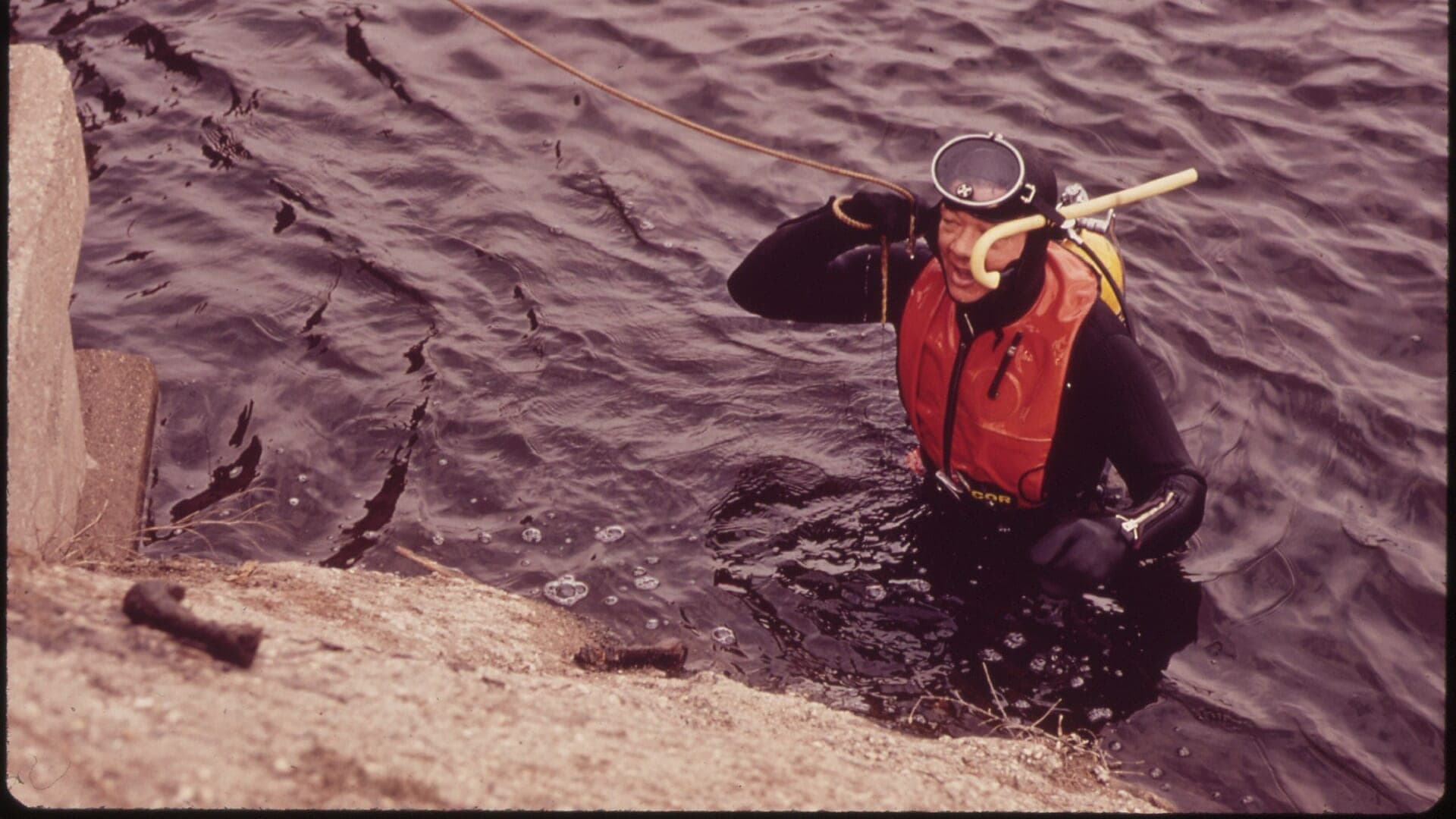
Image: POLICE SCUBA DIVER EMERGING FROM PERE MARQUETTE RIVER ESTUARY. HE HAS RECOVERED LEG BONES FROM A POACHED DEER CARCASS - NARA - 547134 / Public domain / Paul SequeiraFishability now: Pere Marquette River fishability today
GreatData confidence: High96/100
Fishable now because Scottville gauge is stable, weather is usable, and no public alert is active.
Flow observed
5:00 PM UTC
Weather observed
5:00 PM UTC
Score calculated
5:25 PM UTC
Why this rating
Flow
Weather
Public alerts
Next 6-12 hours
Hold
Stable live data supports staying with the plan, but recheck the gauge and forecast before leaving.
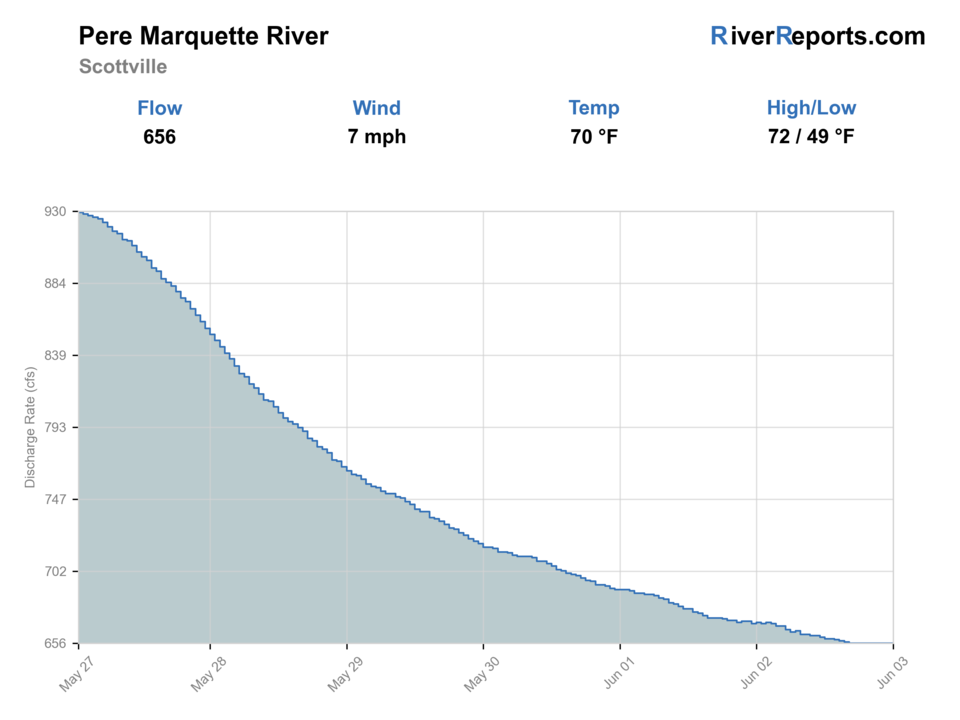
USGS flow
656 cfs
Current trend: flow stable, so weather, temperature, and access checks drive the next change.
More planning details: flies, flow bands, and live source checks
Fish it today
Start here
Decide first whether the day is trout, steelhead, salmon, or a scenic float. Then match the reach, access, and fly box to that single plan instead of chasing every famous bend.
Best flow clue
Use RiverReports and USGS 04122500 at Scottville together. Stable clear or lightly stained flow is the cleanest window; high or crowded migratory periods demand safer edges, better spacing, or a different reach.
Skip trigger
Skip or pivot when flow is too high for safe wading, when popular fly water is packed, when permit or launch logistics are not clear, when redds are unavoidable, or when current Michigan rules do not match the intended method.
Flow decision bands
Low but fishable
Low clear water can fish technically with stealth and careful spacing when temperatures and rules support the target species.
Best trout and migratory window
Stable or slowly falling Scottville flow with light stain, legal method rules, and workable pressure gives the best dry, nymph, streamer, egg, or swing signal.
Pushy or unsafe
High, stained, or crowded migratory water should move anglers to safer edges, a different reach, or another river.
Permit and pressure caution
Scenic-river use, launch rules, private banks, redd avoidance, and seasonal crowds can override a fishable gauge.
USGS flow
656 cfs
Current trend: flow stable, so weather, temperature, and access checks drive the next change.
Live USGS flow
656 cfs / stable
Live NWS forecast
82F / Mostly Sunny
Water temperature not verified
Heat guidance uses weather and river type unless an official water-temperature value is available.
No NWS alert flag
No active NWS alert was returned for this forecast point.
RiverReports and USGS Scottville give lower-river trend context, but upper Baldwin water can differ.
Rivers.gov identifies the M-37 to Gleason's Landing reach as quality fishing water with flies-only catch-and-release trout rules.
Summer watercraft permits apply at Forest Service sites during the managed season.
Steelhead and salmon windows bring pressure, so access and etiquette matter.
Editorial review
How this report is maintained
This Pere Marquette River report is maintained from RiverReports and USGS Scottville flow data, Michigan regulation sources, Rivers.gov background, recreation-permit access context, weather, media-credit, and practical scenic-river fishing guidance.
Byline
BlueStreamFly editorial team
Reviewed by
BlueStreamFly source review
Maintained by
Mountain Brook Run LLC
Last material review
2026-05-31
Report confidence
High confidence
90/100
High confidence: RiverReports, USGS 04122500, Michigan regulation, scenic-river background, permit/access context, and weather data support the page. Confidence is moderated by reach-specific rules, permit logistics, private banks, and heavy seasonal pressure.
Regulations
Michigan fishing regulations support current reach, species, and method checks.
Access
Rivers.gov and recreation-permit sources support planning, but exact public entry and boat logistics remain reach-specific.
Flow and weather
RiverReports, USGS 04122500, chart support, and the National Weather Service point are attached to the route.
Fishing usefulness
The page now separates Scottville flow, trout, steelhead, salmon, float logistics, pressure, redds, and Muskegon or Platte backups.
Fishability dashboard and source review
2026-05-31 / material content or source review
RiverReports Pere Marquette at Scottville, USGS 04122500, Michigan regulations, Rivers.gov scenic-river background, Pere Marquette permit context, and the National Weather Service point were checked before updating the current fishability guidance.
2026-05-31
Updated Pere Marquette River with Scottville trend guidance, scenic-river and float access cards, pressure and reach-rule cautions, backup cues, stable fishability SEO, and confidence signals.
2026-05-28
Added scenic-river trip fit, wade-versus-float framing, permit and access nuance, migratory-fish pressure cues, backup-water suggestions, editorial review signals, and a page-specific report-confidence meter after source review.
2026-05-25
Initial source-reviewed report published with flows, weather, hatches, flies, tactics, access, regulations, and FAQs.
Angler planning edge
Local details that change the plan
Best for
Anglers planning a famous west Michigan trout, steelhead, and salmon river with scenic-river and access logistics, Trips where Scottville flow, section choice, seasonal pressure, and legal method rules need to be checked before driving, Dry-fly, nymph, streamer, egg, swing, and migratory-fish windows when water and rules line up, Anglers choosing between the Pere Marquette, Muskegon, Little Manistee, and Platte based on pressure and flow
Wade or float
Treat the Pere Marquette as a mixed wade-and-float report. Wade plans need legal bank access and careful spacing, while boat plans need launch, permit, shuttle, and scenic-river use checks before the day starts.
Best flows
Use RiverReports and USGS 04122500 at Scottville together. Stable clear or lightly stained flow is the cleanest window; high or crowded migratory periods demand safer edges, better spacing, or a different reach.
When to skip
Skip or pivot when flow is too high for safe wading, when popular fly water is packed, when permit or launch logistics are not clear, when redds are unavoidable, or when current Michigan rules do not match the intended method.
Local plan
Decide first whether the day is trout, steelhead, salmon, or a scenic float. Then match the reach, access, and fly box to that single plan instead of chasing every famous bend.
Pressure
The Pere Marquette draws serious angling pressure. Midweek timing, early starts, and respectful spacing are part of a successful plan, especially in spring and fall.
Access nuance
Rivers.gov and recreation-permit sources support planning, but exact public entry, boat use, special reaches, and private boundaries still need current confirmation.
Backup water
If the Pere Marquette is crowded, high, or logistically awkward, compare the Muskegon for bigger tailwater-style water, the Little Manistee for a smaller tributary, or the Platte for a national-lakeshore salmon and trout plan.
About the river
Setting, character, and why it fishes the way it does.
The Pere Marquette begins east of Baldwin and flows toward Pere Marquette Lake and Lake Michigan. Rivers.gov describes it as the longest unregulated river system in Michigan's Lower Peninsula.
Its fishing identity is rare: resident trout, famous fly water, steelhead, salmon, scenic-river protection, and a long culture of careful wade and float fishing.
Because the river is loved by many anglers and paddlers, a good plan includes permits, access timing, exact reach rules, and pressure management along with flies.
Target species
Brown trout
The signature resident trout target, especially in fly-only water and low-light windows.
Steelhead
A major spring and fall target when water and rules line up.
Chinook salmon
A seasonal fall presence that brings crowds and strict legal-method concerns.
Rainbow and brook trout
Part of the broader coldwater system; verify reach rules.
Reading the water
Stable cold flow
Fish dries, soft hackles, and nymphs through riffles and bank cover.
Stained water
Streamers, leeches, and larger stonefly rigs can become more useful.
Low clear water
Use longer leaders, smaller flies, and low-light timing.
Warm summer
Check temperature and avoid stressing trout during hot afternoons.
Best seasons
Spring
Steelhead, early hatches, and streamer water can all matter.
June
Classic trout hatch timing and dry-fly windows are important.
Summer
Terrestrials, night browns, and permit/crowd planning shape trips.
Fall
Salmon, steelhead, streamers, and rules become the main planning variables.
Preferred flow source
Pere Marquette River at Scottville
RiverReports is the preferred chart source when coverage exists. When a matching USGS gauge exists, keep it open as the official backstop for station data and current hydrograph context.
USGS data chart
Official USGS trend
Streamflow over the latest USGS reporting window.
Latest
656 cfs
Jun 3, 5 PM UTC
Weather
River weather report
Weather can change wading safety, road access, water temperature, hatches, and the best time of day to fish.
Live forecast loads as you reach this section
This keeps the report fast while still using the official National Weather Service forecast point.
Hatches and flies
Hatch chart and fly picks
March to April
Steelhead movement, midges, black stones, early olives
Stonefly nymph, egg pattern where legal, alevin, BWO nymph, leech
May to June
Caddis, sulphurs, brown drakes, baitfish
Caddis dry, sulphur emerger, Brown Drake spinner, small sculpin
July to August
Terrestrials, caddis, small mayflies, warmwater baitfish
Foam ant, beetle, hopper-dropper, small streamer, crayfish
September to November
Salmon and steelhead movement, BWOs, October caddis
Stonefly nymph, egg where legal, leech, sculpin, October caddis
Steelhead nymphs
Stonefly, hex nymph, caddis larva, egg pattern where legal
Use in cold water, travel lanes, and holding slots during spring or fall movement.
Trout dries
Caddis, Sulphur, Brown Drake, Isonychia, terrestrial
Use on resident trout when hatches or low-light surface feeding set up.
Streamers
Sculpin, leech, baitfish, small intruder, black bugger
Use during stained water, salmon/steelhead windows, or when browns hunt structure.
Warmwater backup
Crayfish, popper, Clouser, slider
Use on warmer lower reaches when bass are the better target than trout.
Tactics
How to fish it
For trout, fish shaded banks, logs, and riffle edges before walking long distances.
In the flies-only reach, keep presentations clean and legal; do not assume all methods are allowed.
Use streamers after rain or in fall when browns and migratory fish move.
Plan watercraft permits in advance during the managed summer season.
Give space during steelhead and salmon windows and avoid redds.
Rigging
Rod, leader, and setup notes
A 5-weight covers most resident trout dry-fly work.
A 6-weight or 7-weight is better for streamers and light steelhead.
An 8-weight is useful for heavy sink tips and larger migratory-fish flies.
Carry 4X to 6X for trout and stronger tippet for steelhead.
Bring a thermometer, wading staff, and a clear shuttle or exit plan.
Access
Access and planning notes
Scottville flow check
Primary river trendWade / float / trail
Gauge / wade / float
When to pick it
Start here when flow and clarity decide whether a trout, steelhead, salmon, or float plan fits.
Caution
The gauge does not settle launch permits, private banks, or reach-specific rules.
National Scenic River corridor
Float and use planningWade / float / trail
Float / wade access / permit
When to pick it
Use it when boat, shuttle, permit, or scenic-river use details decide the trip.
Caution
Confirm current permit and access requirements before driving.
Famous fly-water sections
Trout and migratory fish focusWade / float / trail
Wade / bank / drift
When to pick it
Pick these when legal access, spacing, and target species match the conditions.
Caution
Heavy pressure and redds make restraint part of the fishability call.
Watercraft permits are required during the managed summer season at Forest Service access sites.
Private land and high use make legal access and etiquette important.
The Scottville gauge is useful trend data, but always pair it with local reach conditions.
Regulations
Check before fishing
Michigan fishing regulations and the Pere Marquette scenic-river rules control methods, seasons, and permits. Verify the M-37 to Gleason's Landing fly-water rule directly.
Primary base
Baldwin or Scottville
Best day style
National Scenic River, wade, float, Forest Service access, and permit planning
Check first
Michigan rules, scenic-river permit timing, Scottville flow, and water temperature
Safety
Boat traffic, summer permits, private land, logs, and crowded migratory-fish periods
Gear
Helpful gear for this water
6-weight or 7-weight rod
Covers resident trout, larger streamers, and light steelhead work.
8-weight rod
Better for heavy sink tips, wind, salmon, and fresh steelhead.
Wading staff
Michigan sand, logs, clay banks, and high spring water deserve caution.
Regulation copy
Carry the current Michigan rules because methods and reach boundaries can change by section.
Nearby water
Other water to research
Backup logic
High water
Choose safer edges or compare Muskegon, Little Manistee, or Platte conditions.
Heat
Protect trout and steelhead in warm water; move to cooler windows or a different species plan.
Storms or stain
Wait for Scottville trend and visibility to stabilize before fishing crowded runs.
Access issue
Use confirmed public access, permits, and legal banks only; pivot if the float or wade plan is unclear.
Little Manistee River
A smaller steelhead and salmon river where weir operations shape the trip.
Muskegon River
A larger Croton tailwater plan for steelhead, trout, and boats.
Betsie River
A northwest Michigan migratory-fish river with no-gauge planning.
FAQ
Fast answers
Is Pere Marquette River fishable today?
Pere Marquette River looks very fishable right now. The live score is 96/100, based on current flow, weather, public alerts, and the report's planning context. Recheck the linked gauge and forecast before leaving because conditions can change quickly after rain, heat, access changes, or flow swings.
What flow is best for Pere Marquette River?
Use RiverReports and USGS 04122500 at Scottville together. Stable clear or lightly stained flow is the cleanest window; high or crowded migratory periods demand safer edges, better spacing, or a different reach.
When should I skip Pere Marquette River?
Skip or pivot when flow is too high for safe wading, when popular fly water is packed, when permit or launch logistics are not clear, when redds are unavoidable, or when current Michigan rules do not match the intended method.
Is Pere Marquette River safe to wade right now?
The fishability score is not a wading guarantee. Wade only where your chosen access has safe edges, clear footing, legal entry, and no forced crossings; high, rising, stained, or storm-affected water should be treated conservatively.
What should I check first before fishing the Pere Marquette River?
Check Michigan rules, scenic-river permit timing, Scottville flow, weather, and water temperature.
Are there special regulations on the Pere Marquette River?
Yes. The M-37 to Gleason's Landing reach has flies-only catch-and-release trout context, and permits affect summer watercraft use.
Is the Pere Marquette River a good fly-fishing river?
Yes, but only if you match the reach, season, water temperature, and target species. This page separates trout, migratory, and warmwater plans where that matters.
What flies should I bring for the Pere Marquette River?
Bring the hatch-chart flies, a few confidence nymphs, and a backup streamer or warmwater box so you can adjust to flow, clarity, and temperature.
How should I plan access for the Pere Marquette River?
Access is good but heavily managed in places. Plan Forest Service sites, permits, private land, and shuttle logistics.
Sources
Source set for this report
Reviewed 2026-05-31