Massachusetts / Northeast
Essex River
A tide-first Essex River report for striped bass, marsh channels, launch limits, wind, weather, flies, Massachusetts saltwater rules, and safety.
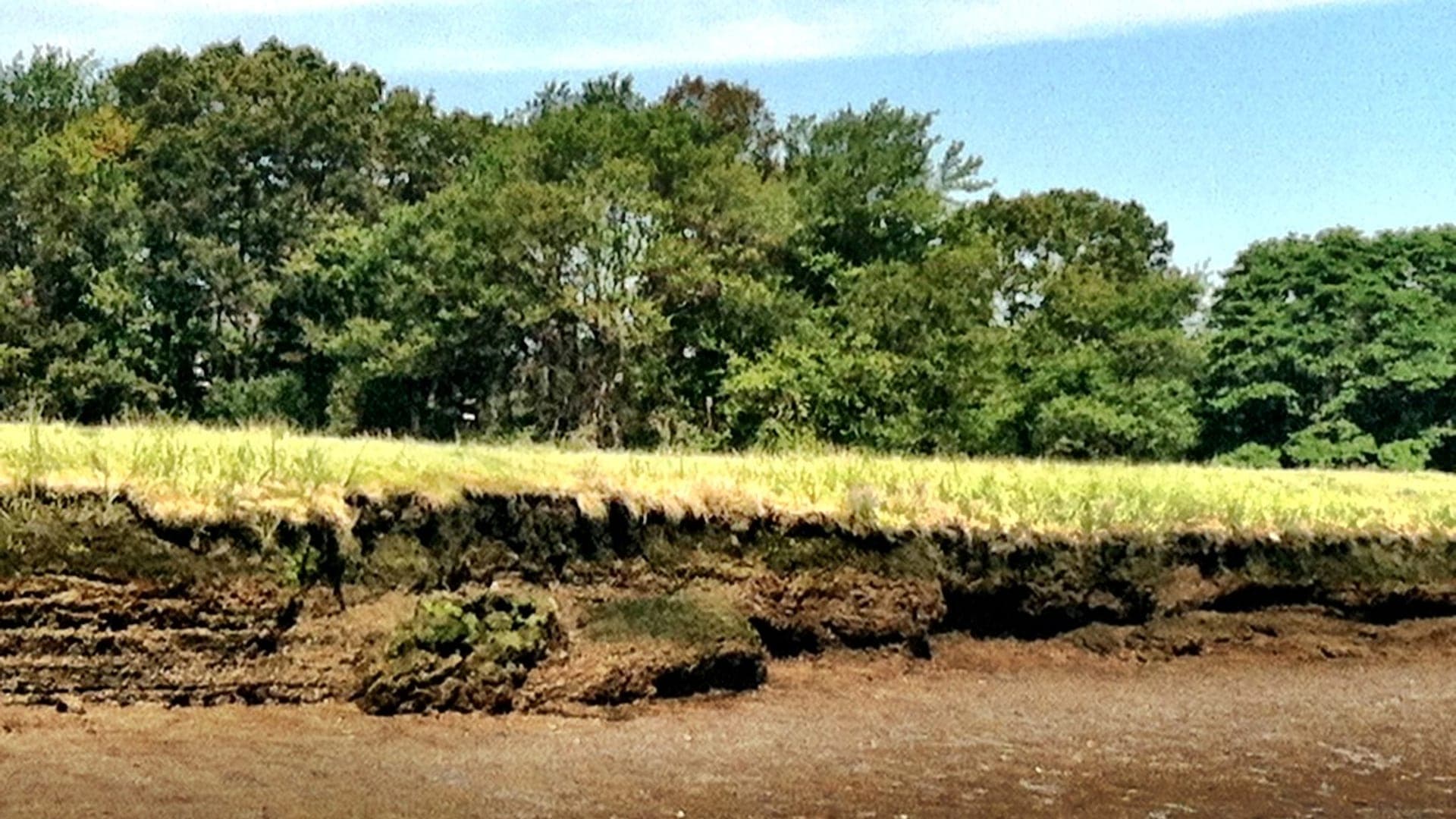
Image: Banks at lowtide Essex River, Essex, MA / CC BY 2.0 / Carla GatesFishability now: Essex River fishability today
GreatData confidence: High96/100
Fishable now because Conomo Point gage height gauge is stable, weather is mild, and no public alert is active.
Flow observed
4:30 PM UTC
Weather observed
5:00 PM UTC
Score calculated
5:25 PM UTC
Why this rating
Flow
Weather
Public alerts
Next 6-12 hours
Hold
Stable live data supports staying with the plan, but recheck the gauge and forecast before leaving.
USGS flow
1 ft
Current trend: flow stable, so weather, temperature, and access checks drive the next change.
More planning details: flies, flow bands, and live source checks
Fish it today
Start here
Pick one incoming and one outgoing tide window, confirm Massachusetts saltwater rules, check Essex launch limits, then fish protected drains, channel edges, or marsh banks that fit the wind.
Best flow clue
Use the USGS gage-height page, NOAA tide station, and NOAA tide predictions together. The useful fishing window is moving water around bait and drains, not a single trout-style CFS number.
Skip trigger
Skip kayak or skiff plans when wind opposes tide, fog cuts visibility, storms are building, trailer parking is not legal, or a low-tide walk would trap you in soft marsh mud.
Flow decision bands
Low but fishable
Low-stage scouting can help reveal bars, drains, and mud edges, but the best fishing still needs moving tide and safe footing.
Best moving-tide window
Incoming or outgoing tide with bait, manageable wind, and legal launch or bank access is the best striped bass signal.
Wind or tide unsafe
Wind against tide, fog, storms, soft marsh mud, or a difficult return route should stop kayak, skiff, and wade plans.
Launch and parking caution
Boat, kayak, and trailer rules can make a good tide unusable if the access plan is not legal.
USGS flow
1 ft
Current trend: flow stable, so weather, temperature, and access checks drive the next change.
Live USGS flow
110 cfs / stable
Live NWS forecast
71F / Sunny
Water temperature not verified
Heat guidance uses weather and river type unless an official water-temperature value is available.
No NWS alert flag
No active NWS alert was returned for this forecast point.
Use tide and gage-height context to time flats, drains, and channel edges.
Striped bass are the primary fly target; bluefish can appear seasonally.
Launch and parking rules matter, especially around town facilities.
Wind direction can make or break kayak and skiff safety.
Editorial review
How this report is maintained
This report is maintained from current regulation, access, flow, weather, and public planning sources so anglers can make better trip decisions than a raw gauge or generic overview would allow.
Byline
BlueStreamFly editorial team
Reviewed by
BlueStreamFly source review
Maintained by
Mountain Brook Run LLC
Last material review
2026-05-31
Report confidence
Good confidence
88/100
Good confidence: USGS stage, NOAA tide data, Massachusetts saltwater regulations, public saltwater access information, Essex launching rules, and weather data support the page. Confidence is moderated by tide timing, wind, launch rules, soft marsh footing, and bait movement.
Regulations
Massachusetts recreational saltwater rules support the legal-check path for striped bass and other saltwater targets.
Access
Massachusetts saltwater access and Essex launching sources support the public access framework.
Flow and weather
USGS 01104500, NOAA tide sources, and the National Weather Service point are attached to the route.
Fishing usefulness
The page now separates tide stage, moving-water striper timing, launch limits, wind, marsh safety, and inland backup choices.
Fishability dashboard and source review
2026-05-31 / material content or source review
USGS Essex River stage data, NOAA Essex tide station and tide predictions, Massachusetts recreational saltwater regulations, Massachusetts saltwater public-access information, Essex boat launching rules, and the National Weather Service point were checked before updating the current fishability guidance.
2026-05-31
Updated Essex River with tide-first striper guidance, marsh and launch access cards, wind and trailer-parking cautions, backup cues, stable fishability SEO, and confidence signals.
2026-05-29
Added Essex River trip-fit guidance, tide-prediction source context, saltwater regulation reminders, town landing and trailer-parking nuance, wind and marsh safety guidance, backup-water suggestions, editorial review signals, and a page-specific report-confidence meter after source review.
2026-05-24
Initial source-reviewed report published with flows, weather, hatches, flies, tactics, access, regulations, and FAQs.
Angler planning edge
Local details that change the plan
Best for
Saltwater fly anglers timing striped bass around Essex River tides, marsh drains, and visible bait, Kayak, skiff, and shore plans that depend on wind, parking, trailer rules, and safe return routes, North Shore anglers who want a tide-first estuary report instead of a freshwater-style flow number, Scouting trips that use low tide to learn bars, channels, mud, and marsh edges before fishing moving water
Wade or float
Treat Essex as a tide-and-access report. Wading, kayaking, or skiff fishing can all work, but each depends on tide stage, mud, channel depth, wind direction, and legal launch or parking options.
Best flows
Use the USGS gage-height page, NOAA tide station, and NOAA tide predictions together. The useful fishing window is moving water around bait and drains, not a single trout-style CFS number.
When to skip
Skip kayak or skiff plans when wind opposes tide, fog cuts visibility, storms are building, trailer parking is not legal, or a low-tide walk would trap you in soft marsh mud.
Local plan
Pick one incoming and one outgoing tide window, confirm Massachusetts saltwater rules, check Essex launch limits, then fish protected drains, channel edges, or marsh banks that fit the wind.
Pressure
Pressure is often tide-window driven. Popular ramps and easy banks can feel busy even when the marsh looks wide open, especially during spring arrival and fall bait movement.
Access nuance
Essex town landing and trailer-parking rules can be restrictive. Confirm local rules before arriving with a boat, kayak trailer, or plan that depends on a specific ramp.
Backup water
If wind, tide, or launch rules make Essex weak, compare the Kennebec River Estuary for another tidewater striper plan or switch inland to Millers River or the Farmington.
About the river
Setting, character, and why it fishes the way it does.
The Essex River winds through salt marsh, creeks, channels, flats, and harbor water on Massachusetts' North Shore.
For fly anglers, its character is tide-first: drains, bends, shell bars, marsh edges, and bait movement matter more than a freshwater hatch schedule.
The river also has access constraints. Town landing rules, resident parking, kayak launch choices, and marine weather can determine whether the trip works.
Target species
Striped bass
The main fly target. Follow current Massachusetts recreational saltwater rules.
Bluefish
Possible when bait and ocean conditions push fish into the estuary.
Forage fish
Silversides, sand eels, herring, and small baitfish shape fly choice.
Crabs and shrimp
Important around marsh edges and flats, especially when fish are not chasing baitfish.
Reading the water
Incoming tide
Fish flats, marsh edges, and channels as bait pushes into reach.
Outgoing tide
Focus on drains, creek mouths, and current seams where bait is swept out.
Low tide
Scout bars, channels, mud, and walking routes, but avoid getting stuck in soft marsh.
Windy tide
Use protected banks or skip kayak plans when wind and tide create unsafe water.
Best seasons
Late spring
Early striped bass and bait arrival create the first real fly windows.
Summer
Low light, cooler tides, and bait concentration matter most.
Fall
Outgoing tides and bait schools can create the strongest feeds.
Winter
Use the offseason for scouting launches, parking, bars, and channels.
USGS flow
Essex River at Conomo Point gage height
This is the fallback for rivers that are not covered by RiverReports. Use the official USGS monitoring page for the live hydrograph, station metadata, and current water trend.
Open USGS gaugeUSGS data chart
Essex River at Conomo Point gage height
Gauge height over the latest USGS reporting window.
Latest
1 ft
Jun 3, 4 PM UTC
Weather
River weather report
Weather can change wading safety, road access, water temperature, hatches, and the best time of day to fish.
Live forecast loads as you reach this section
This keeps the report fast while still using the official National Weather Service forecast point.
Hatches and flies
Hatch chart and fly picks
May to June
Herring, silversides, sand eels, early crab and shrimp movement
Clouser minnow, deceiver, flatwing, sand eel, small crab
July to August
Silversides, peanut bunker, crabs, shrimp, squid at night
Gurgler, crease fly, shrimp, crab, small bunker pattern
September to October
Bait schools, sand eels, peanut bunker, outgoing-tide ambush windows
Flatwing, deceiver, clouser, sand eel, popper
Cold months
Limited fly-fishing opportunity
Use the season to scout access, tides, channels, and parking.
Baitfish
Clouser minnow, deceiver, flatwing, peanut bunker
Use around current seams, channel edges, birds, and visible bait.
Sand eel
Sparse sand eel, epoxy sand eel, jiggy sand eel
Use over flats, bars, and clear water with narrow bait.
Topwater
Gurgler, crease fly, popper
Use in low light, calm pockets, and active surface feeds.
Crab and shrimp
Merkin crab, small crab, grass shrimp
Use on flats, marsh edges, and slow-moving troughs.
Tactics
How to fish it
Pick two tide windows and fish them well instead of wandering randomly.
Use sparse baitfish flies when water is clear and bait is small.
Cast across current seams and let the fly swing before stripping.
Carry a stripping basket for marsh grass, mud, and boat decks.
Keep fish wet and follow current striped bass handling rules.
Rigging
Rod, leader, and setup notes
An 8-weight with intermediate line is the default setup.
Carry a floating line for gurglers and shallow flats.
Use 16- to 25-pound leaders depending on rocks, shells, weed, and fish size.
Use barbless or crushed-barb hooks for faster release.
Wear a PFD when wading deep channels or fishing from kayak or skiff.
Access
Access and planning notes
Conomo Point stage check
Estuary level contextWade / float / trail
USGS stage / tide scout
When to pick it
Start here when stage and tide timing decide whether drains and flats are worth targeting.
Caution
Stage is not a trout-style CFS answer; moving water and access decide the day.
Essex town landing
Launch and parking checkWade / float / trail
Boat / kayak / trailer
When to pick it
Use it when the plan depends on a legal ramp, trailer, or kayak launch.
Caution
Confirm local launch, parking, and trailer rules before arriving.
Marsh drains and channel edges
Striped bass fly planWade / float / trail
Wade / shore / kayak / skiff
When to pick it
Pick these when tide, wind, bait, and return route all line up.
Caution
Soft mud, fog, and wind can make the marsh less forgiving than it looks.
Check local launch and parking rules before arriving with a trailer or kayak.
Marsh mud, tide cuts, and fast channel edges can be dangerous on foot.
Do not block ramps, private drives, docks, or shellfish work areas.
Regulations
Check before fishing
Massachusetts recreational saltwater fishing regulations control striped bass and other saltwater species. Check the current rule before fishing or keeping fish.
Primary base
Essex, Ipswich, Gloucester, or Cape Ann
Best day style
Tidal bank, kayak, skiff, and resident-limited launch planning
Check first
Tide, wind, launch/parking rules, Massachusetts saltwater regulations, and marine weather
Safety
Tidal current, marsh mud, wind, boat traffic, cold water, and fog
Gear
Helpful gear for this water
8-weight or 9-weight rod
Casts wind-resistant flies and handles schoolie to larger striper shots.
Intermediate line
A useful default for channels, rips, and moving tide seams.
Stripping basket
Keeps line out of grass, shells, marsh mud, and cockpit clutter.
Tide and wind check
More important than a trout-style hatch guess on tidal water.
Nearby water
Other water to research
Backup logic
High water
Shift to protected banks or delay until tide and wind create a safer return route.
Heat
Fish low light or cooler tidal windows when striped bass and anglers handle conditions better.
Storms or wind
Skip exposed marsh or boat plans when lightning, fog, or wind against tide is building.
Access issue
Use confirmed saltwater public access only; pivot inland to Millers, Swift, or Westfield if launch rules do not fit.
Kennebec River Estuary
Another tide-first Northeast striper and baitfish estuary plan.
Millers River
A freshwater trout and smallmouth option in central Massachusetts.
Farmington River
A technical New England trout tailwater when you want freshwater instead of tidewater.
FAQ
Fast answers
Is Essex River fishable today?
Essex River looks very fishable right now. The live score is 96/100, based on current flow, weather, public alerts, and the report's planning context. Recheck the linked gauge and forecast before leaving because conditions can change quickly after rain, heat, access changes, or flow swings.
What flow is best for Essex River?
Use the USGS gage-height page, NOAA tide station, and NOAA tide predictions together. The useful fishing window is moving water around bait and drains, not a single trout-style CFS number.
When should I skip Essex River?
Skip kayak or skiff plans when wind opposes tide, fog cuts visibility, storms are building, trailer parking is not legal, or a low-tide walk would trap you in soft marsh mud.
Is Essex River safe to wade right now?
The fishability score is not a wading guarantee. Wade only where your chosen access has safe edges, clear footing, legal entry, and no forced crossings; high, rising, stained, or storm-affected water should be treated conservatively.
What should I check first before fishing the Essex River?
Check tide, wind, launch rules, marine weather, and current Massachusetts saltwater regulations first.
Are there special regulations on the Essex River?
Yes. Saltwater species rules, especially striped bass rules, change and should be verified before fishing.
Is the Essex River easy to access?
Access can be good, but some launches and parking are resident-limited or tide-dependent.
What flies should I bring for the Essex River?
Bring the hatch chart flies, a few confidence nymphs or baitfish patterns, and a backup selection for high, low, clear, stained, cold, or warm conditions.
Sources
Source set for this report
Reviewed 2026-05-31