Kentucky / Southeast
Cumberland River
A Cumberland River report for the Wolf Creek Dam to Burkesville tailwater, with RiverReports/USGS flows, USACE generation, Kentucky trout rules, access, hatches, flies, and safety.
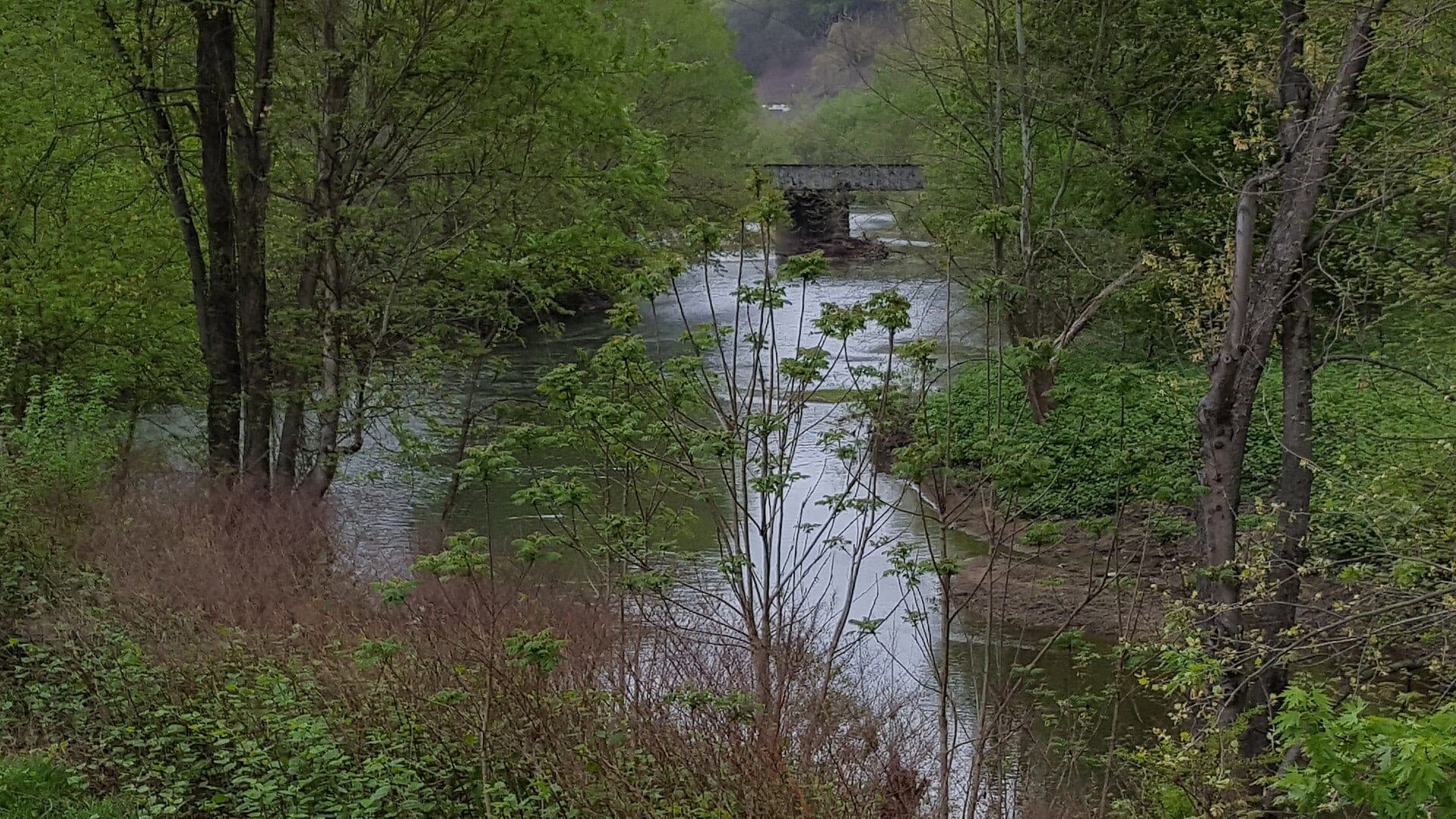
Image: Cumberland river confluence baxter kentucky april 2017 / CC BY-SA 4.0 / MariAdkinsFishability now: Cumberland River fishability today
GreatData confidence: High96/100
Fishable now because Burkesville gauge is stable, weather is usable, and no public alert is active.
Flow observed
4:30 PM UTC
Weather observed
5:00 PM UTC
Score calculated
5:24 PM UTC
Why this rating
Flow
Weather
Public alerts
Next 6-12 hours
Hold
Stable live data supports staying with the plan, but recheck the gauge and forecast before leaving.
USGS flow
3,280 cfs
Current trend: flow stable, so weather, temperature, and access checks drive the next change.
More planning details: flies, flow bands, and live source checks
Fish it today
Start here
Choose the access style first: Kendall and dam-area bank water for a shorter plan, Helm's Landing or Rockhouse for float logistics, and Burkesville only after confirming generation travel time and takeout details.
Best flow clue
Use RiverReports, USGS 03414100 at Burkesville, and current Wolf Creek water-management or generation context together. A downstream gauge alone can lag the safety decision; release timing and exit plans matter before anyone steps in.
Skip trigger
Skip wading when generation is rising, when the safe exit window is unclear, when storms or fog reduce boat visibility, or when the exact tailwater regulation and slot-rule details have not been checked.
Flow decision bands
Low but fishable
Lower stable generation can open bank and careful wade windows, but safe exits and release timing matter before anyone steps in.
Best tailwater window
Predictable generation, clear cold water, current Kentucky trout rules, and known ramp or bank access make the best midge, nymph, streamer, and terrestrial signal.
Pushy or unsafe
Rising generation, fog, storms, or unclear exit timing should stop wading and push the plan to boats, banks, or another water.
Downstream lag caution
Burkesville flow helps, but Wolf Creek generation timing and travel time decide upstream safety.
USGS flow
3,280 cfs
Current trend: flow stable, so weather, temperature, and access checks drive the next change.
Live USGS flow
3,280 cfs / stable
Live NWS forecast
77F / Sunny
Water temperature not verified
Heat guidance uses weather and river type unless an official water-temperature value is available.
No NWS alert flag
No active NWS alert was returned for this forecast point.
Use the RiverReports and USGS Burkesville gauge for downstream tailwater context.
Check the USACE Wolf Creek generation schedule before wading or launching.
Verify Kentucky trout limits, slot rules, and any special tailwater language.
Treat multiple-generator current as a serious boating and wading hazard.
Editorial review
How this report is maintained
This report is maintained from current regulation, access, flow, weather, and public planning sources so anglers can make better trip decisions than a raw gauge or generic overview would allow.
Byline
BlueStreamFly editorial team
Reviewed by
BlueStreamFly source review
Maintained by
Mountain Brook Run LLC
Last material review
2026-05-31
Report confidence
High confidence
90/100
High confidence: RiverReports, USGS 03414100, USACE Wolf Creek context, Kentucky tailwater guidance, Kentucky fishing regulations, tailwater safety information, and weather data support the page. Confidence is moderated by generation timing, downstream lag, fog, long-float logistics, ramp conditions, and special-rule details.
Regulations
Kentucky Cumberland River Tailwater and fishing-guide sources support current trout and slot-rule checks.
Access
Kentucky tailwater and USACE context support public planning, while ramp, takeout, fog, and long-float conditions still need current confirmation.
Flow and weather
RiverReports, USGS 03414100, USACE Wolf Creek context, and the National Weather Service point are attached to the route.
Fishing usefulness
The page now separates Wolf Creek generation, Burkesville flow, bank and boat choices, exit windows, rules, pressure, and Green River or Rock Creek backups.
Fishability dashboard and source review
2026-05-31 / material content or source review
RiverReports and USGS Burkesville flow, USACE Wolf Creek water-management context, Kentucky Cumberland River Tailwater guidance, Kentucky fishing regulations, tailwater safety information, and the National Weather Service point were checked before updating the current fishability guidance.
2026-05-31
Updated Cumberland River with Wolf Creek generation-first guidance, bank and boat access cards, slot-rule and exit-window cautions, backup cues, stable fishability SEO, and confidence signals.
2026-05-29
Added Cumberland River trip-fit guidance, Wolf Creek generation-source context, tailwater safety, bank and boat planning, special-regulation reminders, pressure timing, backup-water suggestions, editorial review signals, and a page-specific report-confidence meter after source review.
2026-05-24
Initial source-reviewed report published with flows, weather, hatches, flies, tactics, access, regulations, and FAQs.
Angler planning edge
Local details that change the plan
Best for
Anglers planning the trout tailwater below Wolf Creek Dam with release timing checked before fly choice, Bank, wade, drift-boat, and jet-boat trips where generation windows, ramps, and exits decide what is safe, Nymph, midge, streamer, and terrestrial plans that can adjust when one or more generators change the current, Traveling anglers who need Kentucky tailwater rules, slot language, and long-float logistics in one place
Wade or float
Treat the Cumberland as a generation-controlled tailwater. Low stable generation can open wade and bank options, while higher or rising water pushes the plan toward experienced boat handling or a safer bank-only day.
Best flows
Use RiverReports, USGS 03414100 at Burkesville, and current Wolf Creek water-management or generation context together. A downstream gauge alone can lag the safety decision; release timing and exit plans matter before anyone steps in.
When to skip
Skip wading when generation is rising, when the safe exit window is unclear, when storms or fog reduce boat visibility, or when the exact tailwater regulation and slot-rule details have not been checked.
Local plan
Choose the access style first: Kendall and dam-area bank water for a shorter plan, Helm's Landing or Rockhouse for float logistics, and Burkesville only after confirming generation travel time and takeout details.
Pressure
Pressure clusters around predictable generation windows, ramps, and guide traffic. A legal backup reach and a conservative exit time beat chasing a perfect hatch in unsafe current.
Access nuance
The river has strong public tailwater anchors, but long distances between ramps, changing releases, fog, and boat traffic make this more serious than a simple bank stop.
Backup water
If generation, storms, or ramp logistics make the Cumberland weak, compare the Green River tailwater, Rock Creek, or a Kentucky small stream before forcing the plan.
About the river
Setting, character, and why it fishes the way it does.
The Kentucky Cumberland River tailwater begins below Wolf Creek Dam and is one of the Southeast's best-known trout fisheries.
Cold releases from Lake Cumberland support rainbow and brown trout far downstream, but those same releases can make water rise fast.
Key access and float-planning names include Kendall, Helm's Landing, Rockhouse, Winfrey's Ferry, and Burkesville.
A useful Cumberland report has to read like a tailwater safety plan as much as a hatch and fly page.
Target species
Rainbow trout
The most common trout target and a core reason to fish the tailwater.
Brown trout
Trophy potential makes rule checks, careful handling, and streamer planning important.
Walleye and sauger
Present in the broader tailwater system and relevant to mixed-species anglers.
Striped bass
A larger tailwater predator context, but not the main trout report focus.
Reading the water
Low stable generation
Best for wade access, nymphing, midges, and careful bank work.
Rising generation
Exit wade water early and move to a safe boat or bank plan.
High generation
Experienced boat-only planning; avoid casual paddling and wading.
Clear cold tailwater
Use smaller nymphs, long drifts, and natural colors before forcing big flies.
Best seasons
Winter
Midges, small nymphs, and lower crowds can be good when generation allows.
Spring
Sulfurs, caddis, and changing release schedules drive the plan.
Summer
Cold water supports trout, but heat, crowds, and generation still matter.
Fall
Brown trout behavior, streamers, and cooler weather can create strong windows.
Preferred flow source
Cumberland River at Burkesville
RiverReports is the preferred chart source when coverage exists. When a matching USGS gauge exists, keep it open as the official backstop for station data and current hydrograph context.
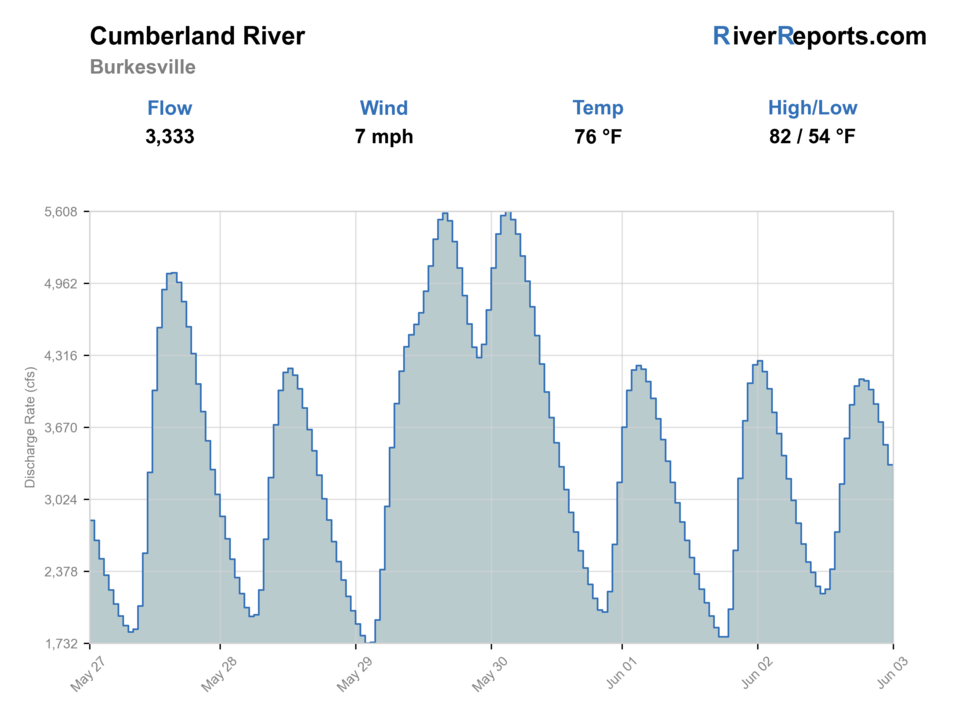
USGS data chart
Official USGS trend
Streamflow over the latest USGS reporting window.
Latest
3,280 cfs
Jun 3, 4 PM UTC
Weather
River weather report
Weather can change wading safety, road access, water temperature, hatches, and the best time of day to fish.
Live forecast loads as you reach this section
This keeps the report fast while still using the official National Weather Service forecast point.
Hatches and flies
Hatch chart and fly picks
Winter
Midges, sowbugs and scuds as food base
Zebra midge, scud, sowbug, small pheasant tail
Spring
Sulfurs, caddis, midges
Sulfur emerger, caddis pupa, zebra midge, soft hackle
Summer
Midges, terrestrials, caddis, baitfish
Midge pupa, ant, beetle, caddis, small streamer
Fall
BWOs, midges, baitfish
BWO emerger, zebra midge, sculpin, articulated streamer
Tailwater nymphs
Zebra midge, scud, sowbug, pheasant tail, sulfur nymph
Use during low stable generation and clear trout feeding lanes.
Soft hackles
Partridge and orange, sulfur soft hackle, caddis soft hackle
Use during swings, emergence, and slow tailout work.
Dries
Sulfur, BWO, Griffith's gnat, caddis, ant
Use when trout feed on top in softer water.
Streamers
Sculpin, bugger, leech, articulated brown-trout streamer
Use from a boat or safe bank during suitable generation and low-light windows.
Tactics
How to fish it
Read the USACE schedule before deciding whether to wade, boat, or stay home.
Fish long nymph drifts during stable low water.
Swing soft hackles through riffles and tailouts during hatch windows.
Use streamers from safe banks or boats when flows and rules support it.
Give rising water more respect than a normal freestone flow change.
Rigging
Rod, leader, and setup notes
A 9-foot 5-weight covers nymphs, dries, and soft hackles.
Bring a 6-weight or 7-weight for streamers and boat days.
Use long 4X to 6X leaders for small clear-water flies.
Use split shot and indicators only where the drift stays clean and legal.
Wear a PFD around boats and rising generation.
Access
Access and planning notes
Wolf Creek and Kendall area
Generation and bank planWade / float / trail
Dam area / bank / careful wade
When to pick it
Start here when release timing and trout rules make a short plan realistic.
Caution
Rising water can close exit windows quickly.
Helm's Landing and Rockhouse
Float logisticsWade / float / trail
Ramp / drift / boat
When to pick it
Use these when generation favors experienced boat handling over wading.
Caution
Long floats, ramp timing, fog, and shuttle details need current confirmation.
Burkesville gauge context
Lower-river trend checkWade / float / trail
Gauge / downstream planning
When to pick it
Pick it when the lower river is part of the trip.
Caution
A downstream reading can lag the release decision near the dam.
Generation can make water rise quickly and quietly.
Long floats require shuttle, daylight, and exit planning.
Bank anglers should leave before water traps them.
Kentucky rules and access signs should be checked on every trip.
Regulations
Check before fishing
Kentucky Fish and Wildlife lists Cumberland River tailwater trout rules and broader statewide limits. Pair those rules with the USACE Wolf Creek generation schedule before fishing.
Primary base
Jamestown, Burkesville, or Somerset
Best day style
Large tailwater, boat and bank access, ramps, generation timing, and long float logistics
Check first
Wolf Creek generation schedule, Burkesville flow, Kentucky trout rules, weather, and ramp access
Safety
Fast generation pulses, cold water, long floats, boat traffic, and limited exits
Gear
Helpful gear for this water
Tailwater nymph box
Midges, scuds, sowbugs, sulfurs, and small mayfly nymphs are staples.
Streamer rod
Useful for boat days, higher flows, and fall brown trout windows.
PFD
Important around boats, cold water, and rising generation.
Generation schedule bookmark
Save the USACE schedule and check it before and during the trip.
Nearby water
Other water to research
Backup logic
High water
Use an experienced boat plan, wait for generation to drop, or compare the Green River tailwater or Rock Creek.
Heat
Cold tailwater helps, but fish early and handle trout quickly during hot recreation periods.
Storms or fog
Delay boat or wade plans when visibility, lightning, or release timing makes exits uncertain.
Access issue
Use signed public ramps and known access only; pivot if private banks, takeouts, or slot-rule details are unclear.
East Fork Whitewater River
A smaller Brookville tailwater plan with Indiana rules and access.
Pine Creek
A large Pennsylvania freestone trout report with different flow and hatch logic.
Toccoa River
A Southeast trout river with delayed-harvest and tailwater planning.
FAQ
Fast answers
Is Cumberland River fishable today?
Cumberland River looks very fishable right now. The live score is 96/100, based on current flow, weather, public alerts, and the report's planning context. Recheck the linked gauge and forecast before leaving because conditions can change quickly after rain, heat, access changes, or flow swings.
What flow is best for Cumberland River?
Use RiverReports, USGS 03414100 at Burkesville, and current Wolf Creek water-management or generation context together. A downstream gauge alone can lag the safety decision; release timing and exit plans matter before anyone steps in.
When should I skip Cumberland River?
Skip wading when generation is rising, when the safe exit window is unclear, when storms or fog reduce boat visibility, or when the exact tailwater regulation and slot-rule details have not been checked.
Is Cumberland River safe to wade right now?
The fishability score is not a wading guarantee. Wade only where your chosen access has safe edges, clear footing, legal entry, and no forced crossings; high, rising, stained, or storm-affected water should be treated conservatively.
What should I check first on the Cumberland?
Check Wolf Creek Dam generation before anything else, then check the Burkesville gauge and Kentucky rules.
Can I wade the Cumberland River?
Sometimes, during safe low stable generation. Rising or high generation can be dangerous.
Which gauge should I use?
Use USGS 03414100 at Burkesville for this page, plus the USACE generation schedule near Wolf Creek Dam.
What flies should I start with?
Start with midges, scuds, sowbugs, sulfur nymphs, and soft hackles; add streamers when flows and access support them.
Sources
Source set for this report
Reviewed 2026-05-31