Idaho / West
Clearwater River
A Clearwater River report for Orofino-area flows, lower-river steelhead planning, trout and cutthroat rules, US-12 access, hatches, flies, and source-checked safety.
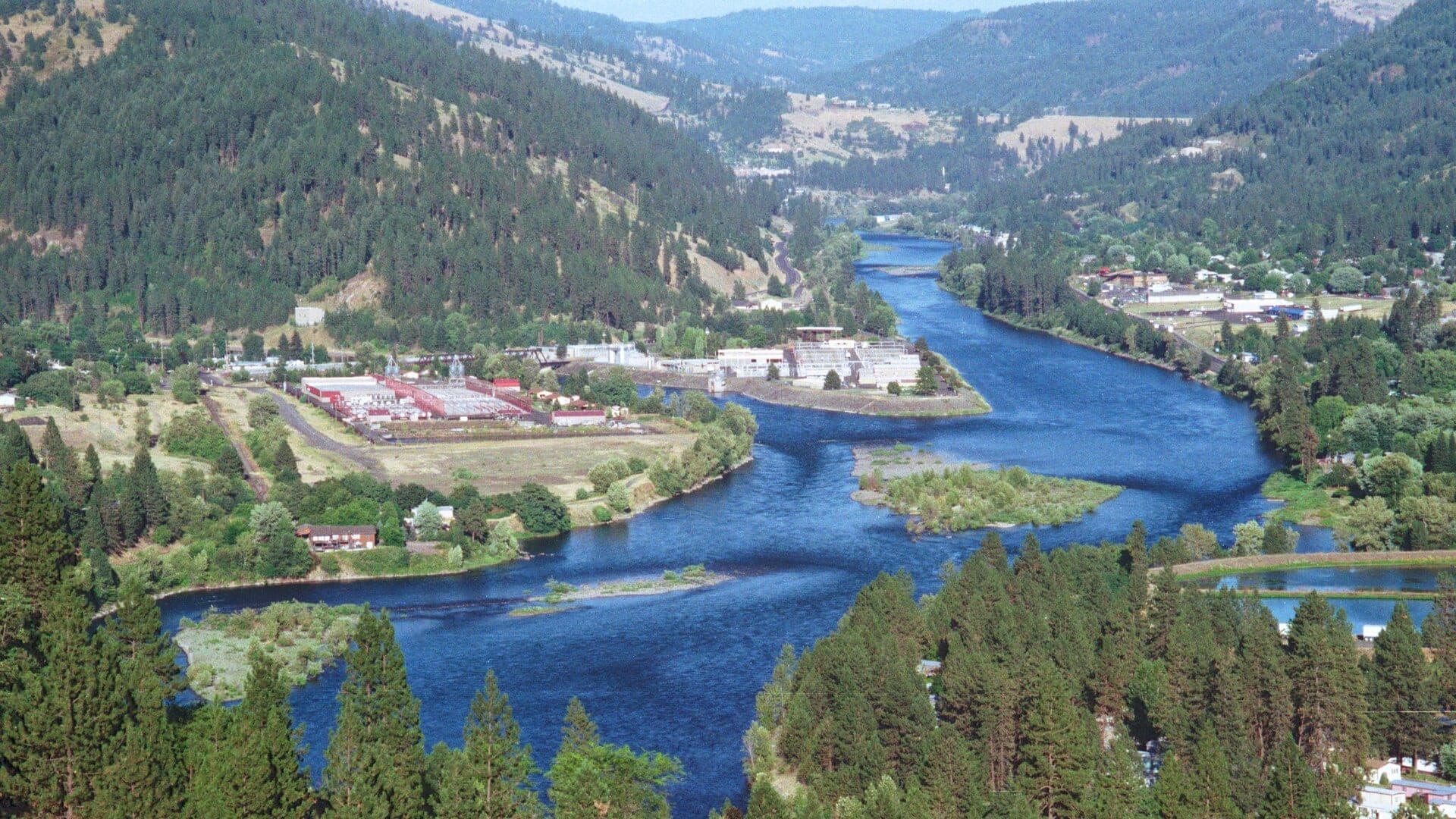
Image: Clearwater River in Ahsahka, Idaho / Public domain / DsduganFishability now: Clearwater River fishability today
GreatData confidence: High96/100
Fishable now because Orofino gauge is falling, weather is mild, and no public alert is active.
Flow observed
4:15 PM UTC
Weather observed
5:00 PM UTC
Score calculated
5:25 PM UTC
Why this rating
Flow
Water temperature
Public alerts
Next 6-12 hours
Improving / hold
A falling gauge and usable weather should keep the next 6-12 hours in play unless tributaries stain or heat builds.
USGS flow
14,200 cfs
Current trend: flow falling, rating likely holding strong unless weather or clarity changes.
More planning details: flies, flow bands, and live source checks
Fish it today
Start here
Start around the Orofino and lower Clearwater corridor, then choose whether you are targeting a short bank session, a boat-supported plan, or a steelhead-style run. Do not treat the entire Clearwater system as one uniform reach.
Best flow clue
Use the RiverReports Orofino chart and USGS 13340000 together. Stable or gradually clearing water creates the best planning window; sharp rises, heavy color, or unsafe edge water should push you to another access or a different river.
Skip trigger
Skip the trip when steelhead or salmon rules are unclear, when hatchery or special-area boundaries do not match your plan, when high water makes banks or ramps unsafe, or when water clarity is too poor for the method you brought.
Flow decision bands
Low but fishable
Lower stable big-river flow can fish from banks and defined runs when rules, clarity, and safe footing line up.
Best big-river window
Stable or gradually clearing Orofino flow with current trout or steelhead rules checked is the best bank, boat, swing, streamer, or nymph signal.
Pushy or unsafe
High, rising, or heavily colored water should stop wading and make ramps or bank exits the first decision.
Species-rule caution
Steelhead, salmon, hatchery-area, tribal, and private-boundary context can override a fishable hydrograph.
USGS flow
14,200 cfs
Current trend: flow falling, rating likely holding strong unless weather or clarity changes.
Live USGS flow
14,200 cfs / falling about 24%
Live NWS forecast
70F / Partly Sunny
Live water temperature
53F from USGS
No NWS alert flag
No active NWS alert was returned for this forecast point.
Use the Orofino gauge for the main lower-river flow check.
Check current IDFG salmon and steelhead rules; seasons can open, close, or change by reach.
Cutthroat and bull trout handling rules are not the same as hatchery trout rules.
Use official access maps around parks, ramps, hatchery areas, and private land.
Editorial review
How this report is maintained
This Clearwater River report is maintained from RiverReports and USGS flow data, Idaho Fish and Game trout and steelhead rule sources, BLM access references, weather checks, and lower Clearwater planning guidance.
Byline
BlueStreamFly editorial team
Reviewed by
BlueStreamFly source review
Maintained by
Mountain Brook Run LLC
Last material review
2026-05-31
Report confidence
High confidence
91/100
High confidence: RiverReports, USGS 13340000, IDFG Clearwater and steelhead rules, BLM access guide material, and weather data support the page. Confidence is moderated by anadromous-season changes, boundary complexity, high water, clarity, and big-river access conditions.
Regulations
IDFG Clearwater River and steelhead rules pages support current trout and anadromous checks.
Access
BLM guide material supports public-access planning, while tribal, private, hatchery-area, and ramp-specific boundaries still need current confirmation.
Flow and weather
RiverReports, USGS 13340000, and the National Weather Service point are attached to the route.
Fishing usefulness
The page now separates Orofino flow, big-river safety, trout and steelhead rules, ramps, clarity, access boundaries, and northern Idaho backups.
Fishability dashboard and source review
2026-05-31 / material content or source review
RiverReports and USGS Clearwater River at Orofino flow, IDFG Clearwater and steelhead rule sources, BLM Clearwater River guide material, and the National Weather Service point were checked before updating the current fishability guidance.
2026-05-31
Updated Clearwater River with Orofino trend guidance, bank and boat access cards, trout and steelhead rule cautions, backup cues, stable fishability SEO, and confidence signals.
2026-05-28
Added Orofino and lower Clearwater trip-fit guidance, big-river wade-versus-bank framing, steelhead-rule and high-water skip cues, access nuance, pressure timing, backup-water suggestions, editorial review signals, and a page-specific report-confidence meter after source review.
2026-05-24
Initial source-reviewed report published with flows, weather, hatches, flies, tactics, access, regulations, and FAQs.
Angler planning edge
Local details that change the plan
Best for
Anglers planning a lower Clearwater or Orofino-area day with trout, cutthroat, whitefish, or steelhead rules checked first, Big-river nymph, streamer, swing, bank, and boat-aware planning when flows and clarity are stable, Trips where anadromous seasons, hatchery-area rules, ramps, tribal or private boundaries, and high-water safety need extra attention, Anglers comparing the Clearwater with northern Idaho options such as the St. Joe, Coeur d'Alene, or Little Salmon
Wade or float
Treat the Clearwater as a big-river planning page, not a simple small-stream wade report. Many days are best approached from safe banks, ramps, or carefully chosen runs after flows, clarity, rules, and boundaries are checked.
Best flows
Use the RiverReports Orofino chart and USGS 13340000 together. Stable or gradually clearing water creates the best planning window; sharp rises, heavy color, or unsafe edge water should push you to another access or a different river.
When to skip
Skip the trip when steelhead or salmon rules are unclear, when hatchery or special-area boundaries do not match your plan, when high water makes banks or ramps unsafe, or when water clarity is too poor for the method you brought.
Local plan
Start around the Orofino and lower Clearwater corridor, then choose whether you are targeting a short bank session, a boat-supported plan, or a steelhead-style run. Do not treat the entire Clearwater system as one uniform reach.
Pressure
Steelhead and salmon timing can concentrate anglers at obvious runs, ramps, and hatchery-influenced areas. A legal plan, backup access, and willingness to move politely matter more than chasing one named spot.
Access nuance
BLM and IDFG sources support public planning, but tribal, private, hatchery, ramp, and special-rule boundaries still matter. Confirm signs and current IDFG proclamations before fishing.
Backup water
If the Clearwater is high, muddy, rule-sensitive, or crowded, compare the St. Joe River, Coeur d'Alene River, or Little Salmon River after checking their current rules, flows, and access.
About the river
Setting, character, and why it fishes the way it does.
The Clearwater is one of Idaho's major big-river systems, draining mountain country before meeting the Snake River near Lewiston.
For fly anglers, the river changes character by reach: broad lower water, Orofino and Ahsahka access, tributary influence, and hatchery-area rules all matter.
The river has important salmon and steelhead runs, but those opportunities are managed separately from ordinary trout fishing and can change quickly.
A useful Clearwater plan combines official rules, a real flow check, boat or bank access, and a backup plan for unsafe or closed water.
Target species
Steelhead
A major seasonal target only when IDFG has opened the correct reach and season.
Chinook and coho salmon
Anadromous fishing is proclamation-driven, so verify the current season before targeting them.
Cutthroat and rainbow trout
Relevant in the system, with cutthroat harvest restrictions that should be checked before fishing.
Smallmouth bass and whitefish
Useful alternatives when lower-river conditions or seasons favor a non-steelhead plan.
Reading the water
Stable moderate flow
Best for choosing runs carefully, swinging flies, and working softer travel lanes.
High or rising water
Avoid risky wading; fish from safe banks or use a boat plan only with local knowledge.
Low clear water
Lengthen leaders, use smaller flies, and approach slowly in softer inside water.
Warm lower river
Shift pressure away from trout and steelhead; consider smallmouth or cooler tributary-influenced water.
Best seasons
Fall
Classic steelhead timing when seasons and flows line up.
Winter
Cold-weather steelhead and trout windows depend on legal seasons, weather, and safe access.
Spring
Runoff and anadromous rules drive the plan more than a generic hatch calendar.
Summer
Look for smallmouth, early trout windows, and cooler upstream alternatives when the lower river warms.
Preferred flow source
Clearwater River at Orofino
RiverReports is the preferred chart source when coverage exists. When a matching USGS gauge exists, keep it open as the official backstop for station data and current hydrograph context.

USGS data chart
Official USGS trend
Streamflow over the latest USGS reporting window.
Latest
14,200 cfs
Jun 3, 4 PM UTC
Weather
River weather report
Weather can change wading safety, road access, water temperature, hatches, and the best time of day to fish.
Live forecast loads as you reach this section
This keeps the report fast while still using the official National Weather Service forecast point.
Hatches and flies
Hatch chart and fly picks
Late winter to spring
Midges, BWOs, early caddis
Zebra midge, BWO emerger, pheasant tail, soft hackle
Spring to early summer
Caddis, stoneflies, mayflies
Elk hair caddis, prince nymph, stonefly nymph, hare's ear
Summer
Caddis, terrestrials, baitfish activity
Caddis dry, hopper, crayfish, small clouser
Fall
October caddis, BWOs, steelhead attractor season
October caddis, BWO, muddler, traditional steelhead wet fly
Steelhead swings
Intruder, muddler, green butt skunk, purple wet fly
Use only in open steelhead seasons on broad tailouts, walking-speed runs, and soft edges.
Trout nymphs
Pheasant tail, prince, hare's ear, caddis pupa, stonefly
Use when trout or whitefish are the practical target and fish are below the surface.
Dry flies
Caddis, BWO, October caddis, hopper
Use during visible hatches or calmer edges.
Smallmouth flies
Crayfish, clouser, woolly bugger, popper
Use in warmer lower-river windows when bass are the better ethical target.
Tactics
How to fish it
Pick a legal target species before choosing flies.
Use the Orofino gauge and the current proclamation page before traveling.
Swing steelhead flies through softer inside lanes, not the fastest main current.
For trout, work seams, banks, and tributary-influenced water with nymphs or dry-droppers.
Respect hatchery-area closures and private-bank boundaries.
Rigging
Rod, leader, and setup notes
Use a 7-weight or 8-weight single hand or two-hand rod for open steelhead water.
Carry a 5-weight or 6-weight for trout, whitefish, and smallmouth plans.
Bring sink tips for swinging and floating lines for waking or dry-line work.
Use stout leaders for steelhead and lighter 4X to 5X trout leaders only where appropriate.
A wading staff and PFD matter on big, cold water.
Access
Access and planning notes
Orofino gauge corridor
Primary big-river trendWade / float / trail
Gauge / bank / boat
When to pick it
Start here when flow and clarity decide whether the lower Clearwater is worth it.
Caution
Big-river banks and ramps can be unsafe before the river looks extreme.
BLM Clearwater River guide context
Access and map planningWade / float / trail
Guide / ramp / bank scout
When to pick it
Use it when ramps, roads, and legal public access shape the day.
Caution
Guide context still needs current signs, closures, and boundary checks.
IDFG trout and steelhead rules
Species planWade / float / trail
Regulation / run choice
When to pick it
Pick it before deciding whether the day is trout, steelhead, or another species.
Caution
Anadromous rules can change and should be checked before fishing.
Use official access maps before assuming a gravel bar is public.
Boat traffic and broad currents make this different from a small trout stream.
Some rules apply by bridge, mouth, or hatchery boundary.
Tribal, state, and private boundaries can sit close together in this corridor.
Regulations
Check before fishing
IDFG lists Clearwater River trout rules and separate salmon and steelhead seasons. Check the current proclamation before targeting anadromous fish.
Primary base
Orofino, Ahsahka, or Lewiston
Best day style
Big-river road access, city parks, ramps, hatchery-area rules, and tribal/private boundaries
Check first
IDFG trout rules, salmon/steelhead proclamations, Orofino flow, and ramp access
Safety
Big cold water, boats, variable flows, hatchery closures, and fast rule changes
Gear
Helpful gear for this water
Two-rod plan
A steelhead rod plus a lighter trout or bass rod covers more legal scenarios.
Wading staff and PFD
Big cold water deserves conservative safety gear.
Sink tips
Helpful for swinging travel lanes in open steelhead water.
Rules bookmark
Save IDFG salmon and steelhead pages before cell service gets weak.
Nearby water
Other water to research
Backup logic
High water
Wait for the Orofino trend to settle or compare the Coeur d'Alene, St. Joe, or Little Salmon.
Heat
Shift timing, target responsibly, and avoid trout stress in warm low water.
Storms or stain
Delay when color, lightning, or rising flow makes big-river banks and ramps poor.
Access issue
Use BLM or IDFG-supported access only; pivot if hatchery, tribal, private, or ramp boundaries are unclear.
St. Joe River
A clearer cutthroat-focused Idaho river with roaded and wild access.
Coeur d'Alene River
A northern Idaho cutthroat and whitefish option with main-river and North Fork planning.
Little Salmon River
A smaller anadromous and trout system where seasons change quickly.
FAQ
Fast answers
Is Clearwater River fishable today?
Clearwater River looks very fishable right now. The live score is 96/100, based on current flow, weather, public alerts, and the report's planning context. Recheck the linked gauge and forecast before leaving because conditions can change quickly after rain, heat, access changes, or flow swings.
What flow is best for Clearwater River?
Use the RiverReports Orofino chart and USGS 13340000 together. Stable or gradually clearing water creates the best planning window; sharp rises, heavy color, or unsafe edge water should push you to another access or a different river.
When should I skip Clearwater River?
Skip the trip when steelhead or salmon rules are unclear, when hatchery or special-area boundaries do not match your plan, when high water makes banks or ramps unsafe, or when water clarity is too poor for the method you brought.
Is Clearwater River safe to wade right now?
The fishability score is not a wading guarantee. Wade only where your chosen access has safe edges, clear footing, legal entry, and no forced crossings; high, rising, stained, or storm-affected water should be treated conservatively.
Can I fish for steelhead on the Clearwater right now?
Only if the current IDFG steelhead rules open the reach and season you plan to fish. Check before every trip.
Which gauge should I use?
Use the Clearwater River at Orofino gauge for this page, then check other gauges if you move far upstream or downstream.
Is this a wade fishing river?
Sometimes from safe bars and banks, but the Clearwater is big water. Do not treat it like a small trout stream.
What is the best backup plan?
If steelhead rules or flows are poor, switch to legal trout, whitefish, smallmouth, or a smaller nearby river.
Sources
Source set for this report
Reviewed 2026-05-31