Wisconsin / Midwest
Flambeau River
A northwoods Flambeau River report for float planning, smallmouth, musky, state-forest access, USGS flow, weather, and safety-first fly tactics.
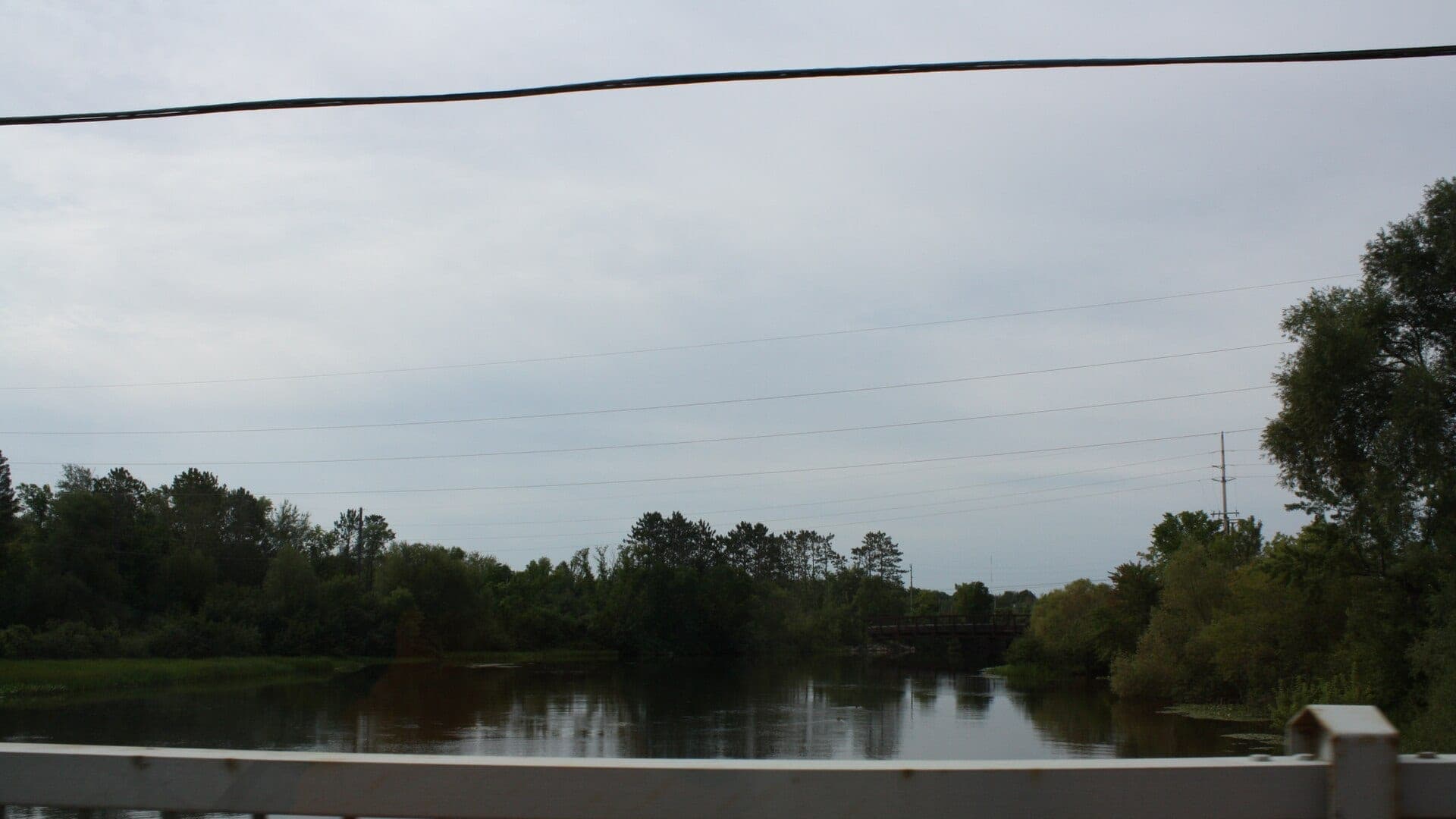
Image: Flambeau River Park Falls Wisconsin / CC BY-SA 3.0 / RoyalbroilFishability now: Flambeau River fishability today
GoodData confidence: High82/100
Fishable now because the live gauge is falling, weather is usable, and a public alert may affect the plan.
Flow observed
5:00 PM UTC
Weather observed
5:00 PM UTC
Score calculated
5:24 PM UTC
Why this rating
Flow
Weather
Public alert
Next 6-12 hours
Improving / hold
A falling gauge and usable weather should keep the next 6-12 hours in play unless tributaries stain or heat builds.
USGS flow
980 cfs
Current trend: flow falling, rating likely holding strong unless weather or clarity changes.
More planning details: flies, flow bands, and live source checks
Fish it today
Start here
Choose the fork and float length before flies: use DNR fishing and paddling sources, the Bruce gauge, and weather to decide whether the day is a short bank session, North Fork float, or a more technical plan.
Best flow clue
Use USGS 05360500 near Bruce as the main-river trend, then match it to the specific fork, landing, and rapid difficulty. The gauge is useful, but it does not make every fork or rapid safe.
Skip trigger
Skip or shorten the plan when the river is rising, thunderstorms are possible, South Fork whitewater exceeds the crew's skill, landing spacing is unrealistic, musky or species rules are unclear, or cold water and wood make rescue difficult.
Flow decision bands
Fork and float first
Choose North Fork, South Fork, or main-river access before picking flies because landing spacing and rapid difficulty change the risk.
Stable Bruce trend
Stable Bruce flow is the cleanest big-picture signal for smallmouth, musky, and mixed warmwater plans.
Rising, stormy, or technical
Rising water, thunderstorms, wood, or South Fork whitewater above the crew's skill should cancel or shorten the float.
Low or shuttle-limited
Low water, long landing gaps, or weak shuttle planning can make a fishable river a poor trip.
USGS flow
980 cfs
Current trend: flow falling, rating likely holding strong unless weather or clarity changes.
Live USGS flow
980 cfs / falling about 18%
Live NWS forecast
78F / Sunny
Water temperature not verified
Heat guidance uses weather and river type unless an official water-temperature value is available.
Active public alerts
Special Weather Statement issued June 3 at 10:57AM CDT by NWS Duluth MN
Use USGS 05360500 near Bruce for a reliable main-river flow trend.
Check state-forest landing and paddling information before committing to a float.
The North Fork is generally more approachable than the more technical South Fork.
Do not imply trout rules or harvest details without checking the exact classified water.
Editorial review
How this report is maintained
This report is maintained from current regulation, access, flow, weather, and public planning sources so anglers can make better trip decisions than a raw gauge or generic overview would allow.
Byline
BlueStreamFly editorial team
Reviewed by
BlueStreamFly source review
Maintained by
Mountain Brook Run LLC
Last material review
2026-06-01
Report confidence
Good confidence
86/100
Good confidence: Wisconsin regulation sources, DNR Flambeau River State Forest fishing and paddling pages, USGS Bruce flow, weather coverage, DNR water detail, licensed media, and route-specific float guidance support the page. Confidence is moderated by the broad river system, fork-specific rapids, landing logistics, and reach-specific species rules.
Regulations
Wisconsin regulation and 2026-2027 update sources support current fishing and species-rule checks.
Access
DNR state-forest fishing and paddling pages provide strong landing, float, and access context.
Flow and weather
USGS 05360500 near Bruce and the National Weather Service point support live flow and weather decisions.
Fishing usefulness
The page now separates fork choice, landing spacing, rapid safety, warmwater tactics, musky planning, and backup-water decisions.
Fishability dashboard and source review
2026-06-01 / material content or source review
Wisconsin fishing regulation, Flambeau River State Forest fishing and paddling sources, DNR water detail, USGS Flambeau River near Bruce flow, National Weather Service data, and route-specific media-credit sources were checked before updating the current-fishability decision layer.
2026-06-01
Updated Flambeau River to the current fishability-page standard with Bruce flow bands, state-forest landing cards, backup cues, stable fishability SEO, and confidence signals.
2026-05-29
Added Flambeau River trip-fit guidance, Bruce gauge framing, state-forest fishing and paddling access nuance, fork-specific safety, warmwater tactics, backup-water suggestions, editorial review signals, and a page-specific confidence meter after source review.
2026-05-24
Initial source-reviewed report published with flows, weather, hatches, flies, tactics, access, regulations, and FAQs.
Angler planning edge
Local details that change the plan
Best for
Wisconsin northwoods anglers planning a float-first smallmouth, musky, walleye, and mixed-warmwater fly day, Boaters and paddlers choosing between North Fork, South Fork, and main-river reaches with landings, rapid class, and flow checked first, Topwater, crayfish, baitfish, and large-streamer plans where landing spacing and PFD safety matter as much as fly selection, Trips that can shift to Wisconsin River, Tomorrow River, or another Wisconsin water when the Flambeau is high, stormy, low, or too technical
Wade or float
Treat the Flambeau as a float, bank, and selective-edge-wade report. Some edges fish well, but broad water, rapids, wood, and long landing gaps make boat and safety planning the first decision.
Best flows
Use USGS 05360500 near Bruce as the main-river trend, then match it to the specific fork, landing, and rapid difficulty. The gauge is useful, but it does not make every fork or rapid safe.
When to skip
Skip or shorten the plan when the river is rising, thunderstorms are possible, South Fork whitewater exceeds the crew's skill, landing spacing is unrealistic, musky or species rules are unclear, or cold water and wood make rescue difficult.
Local plan
Choose the fork and float length before flies: use DNR fishing and paddling sources, the Bruce gauge, and weather to decide whether the day is a short bank session, North Fork float, or a more technical plan.
Pressure
Pressure follows summer weekends, state-forest landings, paddling windows, and musky or smallmouth conditions. Longer floats spread people out but increase the cost of a bad shuttle decision.
Access nuance
DNR state-forest sources give strong public access and landing context, but each fork, rapid, landing, and shuttle still needs current confirmation.
Backup water
If the Flambeau is high, stormy, too technical, too low, or shuttle-limited, compare Wisconsin River, Tomorrow River, or another Wisconsin option before forcing the float.
About the river
Setting, character, and why it fishes the way it does.
The Flambeau is a classic northwoods river system with North Fork, South Fork, and main-river character. It runs through forest, state land, landings, rapids, and long quiet bends.
For fly anglers, the main value is not a trout-only report. This is a float-and-cast smallmouth, musky, walleye, and panfish river, with trout context only where DNR maps support it.
A useful page helps anglers choose the right landing, water level, fly rod, and safety plan before they put in.
Target species
Smallmouth bass
Primary fly target through warm stable water around rocks, wood, and ledges.
Musky
A serious northwoods target; check season and use proper release tools.
Walleye and panfish
Possible mixed warmwater catches on streamers and small baitfish patterns.
Trout
Reach-specific in tributary or classified water; verify on DNR maps before targeting.
Reading the water
Stable summer flow
Fish poppers, sliders, and crayfish patterns along shade, ledges, and seams.
High pushy flow
Shorten float plans, avoid technical rapids, and fish bank edges from safer positions.
Low clear water
Use longer casts, lighter streamers, and early or late low-light windows.
Stormy weather
Get off long exposed floats before lightning or rising water becomes the main issue.
Best seasons
Spring
Flow and season rules matter; high water can limit safe fly fishing.
Summer
Best all-around smallmouth and topwater window on stable flows.
Fall
Good streamer and musky window with colder mornings and fewer paddlers.
Winter
Limited fly-fishing value; use the page mostly for planning and source checks.
USGS flow
Flambeau River near Bruce
This is the fallback for rivers that are not covered by RiverReports. Use the official USGS monitoring page for the live hydrograph, station metadata, and current water trend.
Open USGS gaugeUSGS data chart
Flambeau River near Bruce
Streamflow over the latest USGS reporting window.
Latest
980 cfs
Jun 3, 5 PM UTC
Weather
River weather report
Weather can change wading safety, road access, water temperature, hatches, and the best time of day to fish.
Live forecast loads as you reach this section
This keeps the report fast while still using the official National Weather Service forecast point.
Hatches and flies
Hatch chart and fly picks
April to May
Warming smallmouth water, caddis, minnows, crayfish, and bank insects
Clouser, crayfish, hellgrammite, swimming nymph, small popper
June to August
Low-light topwater, hoppers, cicadas, damselflies, and shade-line baitfish
Foam popper, slider, cicada, hopper, baitfish streamer, crayfish
September to November
Cooling water, minnow movement, crayfish, and steady streamer fishing
Baitfish streamer, crayfish, hellgrammite, olive bugger, soft hackle
December to March
Deep winter holding water, midges, small baitfish, and limited warmwater windows
Small streamer, crawfish, black bugger, midge, jig fly
Topwater
Foam popper, slider, deer-hair bug, cicada, hopper
Use in low light, along shade, and over slow ledges when water is warm enough for bass.
Subsurface
Crayfish, hellgrammite, Clouser, baitfish streamer, olive bugger
Use through ledges, riffle tails, bridge shade, and deeper slots.
Safety flies
Heavy jig streamer, small crayfish, sink-tip baitfish, dark leech
Use from the bank or boat when wading would put you in too much current.
Tactics
How to fish it
Pick the float length before picking flies; long gaps between landings change the whole day.
Fish poppers and sliders early, then switch to crayfish and baitfish patterns as the sun gets high.
Cover wood and ledges from the boat instead of forcing deep wades.
For musky, use heavy leaders, large flies, and a release plan before the first cast.
Scout rapids and avoid glass containers or loose gear on the river.
Rigging
Rod, leader, and setup notes
A 6 or 7-weight covers smallmouth; an 8 to 10-weight is better for musky.
Carry floating and intermediate lines for topwater and deeper ledges.
Use 0X to 2X or heavier bass leaders, and wire or bite tippet for musky.
Wear a PFD on floats and carry a dry bag with layers, light, and first-aid gear.
Access
Access and planning notes
Bruce gauge
Main-river trendWade / float / trail
USGS gauge / float / bank
When to pick it
Start here when flow and storm risk decide whether a float or bank plan is realistic.
Caution
The gauge does not make every fork, rapid, or landing safe.
Flambeau River State Forest landings
Float and access frameworkWade / float / trail
Landing / boat / paddle
When to pick it
Use these when the chosen reach, shuttle, PFD plan, and weather all line up.
Caution
Landing spacing and rapid class can turn a fishing day into a safety problem.
North Fork and South Fork split
Reach difficulty choiceWade / float / trail
Fork comparison / safety check
When to pick it
Pick this before deciding whether the day is a gentle float, bank session, or technical water.
Caution
Do not apply one fork's safety read to the other.
Landing spacing and shuttle time can decide whether the day is realistic.
A flow that is fishable for experts may not be safe for a casual float.
Check musky and other species seasons before targeting them.
Regulations
Check before fishing
Check Wisconsin regulations before fishing the Flambeau, especially musky season, lake sturgeon rules, trout-classified water, and any special rules by reach.
Primary base
Winter, Park Falls, Ladysmith, and Bruce
Best day style
Boat landings, state-forest roads, canoe trips, and long floats
Check first
Wisconsin regulations, USGS flow, landing status, fork choice, weather, and float distance
Safety
Rapids, remote float gaps, cold water, wood, storms, and boat traffic
Gear
Helpful gear for this water
6 or 7-weight rod
Best all-around choice for bass poppers, streamers, wind, and boat casts.
Floating and intermediate lines
Cover topwater, ledges, and deeper buckets without overcomplicating the kit.
PFD for floats
Wear one on larger rivers, around rapids, and in cold or high water.
Sun and water kit
Warmwater days often mean heat, long walks, and exposed banks.
Nearby water
Other water to research
Backup logic
High or stormy water
Delay the float or compare Wisconsin River, Tomorrow River, or another safer Wisconsin option.
Technical-water mismatch
Use an easier landing pair, bank fish, or choose a nonwhitewater backup.
Low water
Shorten the float, focus on deeper structure, or pivot to a better-supported route.
Shuttle issue
Do not launch without a confirmed takeout and timing plan.
Wisconsin River
A larger warmwater river plan with sandbar and dam-flow safety.
Milwaukee River
An urban Lake Michigan tributary and warmwater alternative.
Tomorrow River
A smaller trout-focused Wisconsin option when warmwater floats are high.
FAQ
Fast answers
Is Flambeau River fishable today?
Flambeau River looks fishable right now. The live score is 82/100, based on current flow, weather, public alerts, and the report's planning context. Recheck the linked gauge and forecast before leaving because conditions can change quickly after rain, heat, access changes, or flow swings.
What flow is best for Flambeau River?
Use USGS 05360500 near Bruce as the main-river trend, then match it to the specific fork, landing, and rapid difficulty. The gauge is useful, but it does not make every fork or rapid safe.
When should I skip Flambeau River?
Skip or shorten the plan when the river is rising, thunderstorms are possible, South Fork whitewater exceeds the crew's skill, landing spacing is unrealistic, musky or species rules are unclear, or cold water and wood make rescue difficult.
Is Flambeau River safe to wade right now?
The fishability score is not a wading guarantee. Wade only where your chosen access has safe edges, clear footing, legal entry, and no forced crossings; high, rising, stained, or storm-affected water should be treated conservatively.
What should I check before fishing Flambeau River?
Wisconsin regulations, USGS flow, landing status, fork choice, weather, and float distance
Which flow should I use for Flambeau River?
Use USGS 05360500 near Bruce for the main-river trend, then match the plan to the specific fork, landing, and rapid difficulty.
Where should I start on Flambeau River?
Start with Flambeau River State Forest landing and paddling information, then build a realistic shuttle.
Can I wade Flambeau River?
Some edges are wadeable, but this is mostly a boat and bank river. Do not wade technical water or rapids.
Sources
Source set for this report
Reviewed 2026-06-01