Washington / Pacific Northwest
Sauk River
A lower Sauk report for Darrington-to-Skagit planning, with USGS flow, clarity, wild steelhead caution, access, hatches, and safe wading notes.
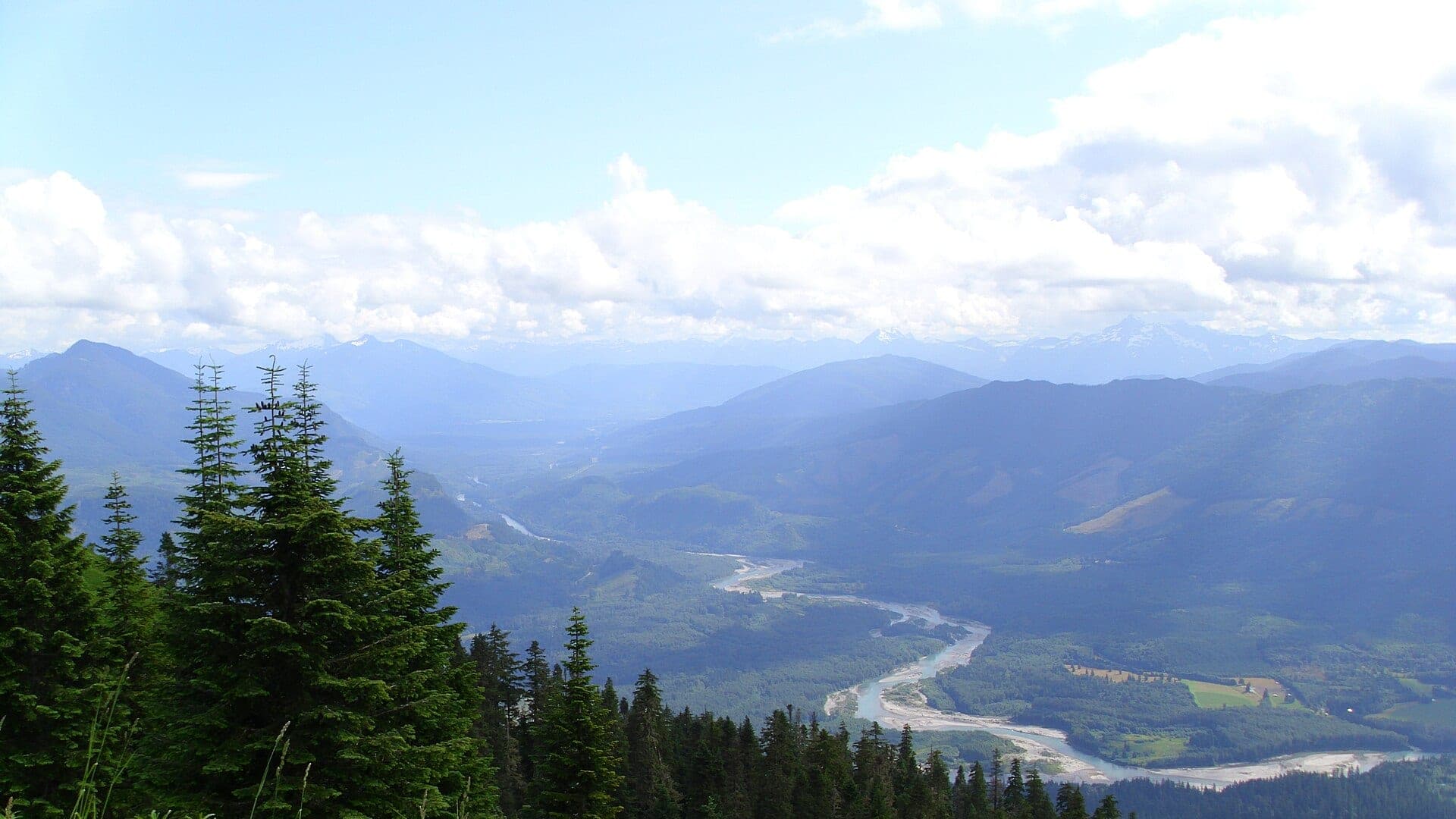
Image: Sauk River valley east of Concrete, Washington / CC BY 2.0 / JOHN LLOYDFishability now: Sauk River fishability today
GreatData confidence: High96/100
Fishable now because the live gauge is rising, weather is mild, and no public alert is active.
Flow observed
5:00 PM UTC
Weather observed
5:00 PM UTC
Score calculated
5:23 PM UTC
Why this rating
Flow
Water temperature
Public alerts
Next 6-12 hours
Watch
Recheck within the next few hours; rising water or active weather can change clarity and wading quickly.
USGS flow
3,730 cfs
Current trend: flow rising, rating can drop quickly if clarity or wading safety deteriorates.
More planning details: flies, flow bands, and live source checks
Fish it today
Start here
Choose the legal objective first, then choose the access: Darrington and SR 530 for road context, the Lower Sauk Boat Launch for a public anchor, or Skagit confluence context only after reading the reach-specific rules.
Best flow clue
Use USGS 12189500 near Sauk as the lower-river trend. The best planning window is stable or dropping flow with usable color; brown, rising, or wood-heavy water should end the wading plan quickly.
Skip trigger
Skip the Sauk when Skagit/Sauk rules do not clearly allow the intended target, when rain or snowmelt pushes the river up, when gravel bars may strand anglers, or when road and launch status are uncertain after storms.
Flow decision bands
Rules and conservation first
Confirm current WDFW Skagit/Sauk authorization before targeting steelhead, salmon, trout, or other gamefish.
Stable green water
Stable or dropping Sauk flow with usable color is the best bank, bar, or boat-launch signal.
Rain, snowmelt, or wood
Rising water, brown color, wood movement, or storm-damaged access should end the wading plan quickly.
Gravel-bar caution
Bars that look open can strand anglers when the river rises or side channels change.
USGS flow
3,730 cfs
Current trend: flow rising, rating can drop quickly if clarity or wading safety deteriorates.
Live USGS flow
3,730 cfs / rising about 13%
Live NWS forecast
61F / Chance Light Rain
Live water temperature
52F from USGS
No NWS alert flag
No active NWS alert was returned for this forecast point.
Use the USGS Sauk near Sauk gauge for lower-river trend and wading risk.
Steelhead, salmon, and bull trout rules need current WDFW confirmation.
Rain, snowmelt, and tributary color can change clarity faster than expected.
Large gravel bars can look easy but become dangerous when the river rises.
Editorial review
How this report is maintained
This report is maintained from current regulation, access, flow, weather, and public planning sources so anglers can make better trip decisions than a raw gauge or generic overview would allow.
Byline
BlueStreamFly editorial team
Reviewed by
BlueStreamFly source review
Maintained by
Mountain Brook Run LLC
Last material review
2026-06-01
Report confidence
Good confidence
86/100
Good confidence: WDFW regulation, emergency-rule, Puget Sound steelhead, Forest Service access, Rivers.gov, USGS Sauk flow, weather coverage, media credit, and route-specific conservation guidance support the page. Confidence is moderated by conservation thresholds, storm-sensitive access, fast clarity changes, and strict reach authorization.
Regulations
WDFW regulations, emergency rules, and Puget Sound steelhead management sources support current legal checks.
Access
The Lower Sauk Boat Launch gives a public access anchor, but gravel bars, roads, and private edges still need day-of checks.
Flow and weather
USGS 12189500 near Sauk and the National Weather Service point support live flow and weather decisions.
Fishing usefulness
The page now separates conservation-sensitive rules, rain response, gravel-bar safety, pressure, launch status, and backup-water decisions.
Fishability dashboard and source review
2026-06-01 / material content or source review
WDFW regulations, emergency-rule pages, Puget Sound steelhead management, USFS Lower Sauk Boat Launch access, Rivers.gov Skagit system context, USGS Sauk flow, National Weather Service data, and media-credit sources were checked before updating the current-fishability decision layer.
2026-06-01
Updated Sauk River to the current fishability-page standard with Sauk flow bands, gravel-bar and launch access cards, backup cues, stable fishability SEO, and confidence signals.
2026-05-28
Added Sauk trip-fit guidance, wade and bank planning, lower-river gauge framing, boat-launch access nuance, pressure timing, backup-water suggestions, editorial review signals, and a page-specific report-confidence meter after source checks.
2026-05-25
Initial source-reviewed report published with flows, weather, hatches, flies, tactics, access, regulations, and FAQs.
Angler planning edge
Local details that change the plan
Best for
Anglers who want a North Cascades river day and understand that wild steelhead opportunity must be confirmed from current WDFW rules, Bank, gravel-bar, or boat-launch scouting when the Sauk is green, dropping, and safe enough to approach, Conservation-minded trips where restraint, fish handling, and exact legal reach matter more than nostalgia, West-side anglers with a trout-centered backup ready if Skagit/Sauk rules or flows do not line up
Wade or float
Treat the Sauk as a cautious bank, wade, and boat-access report. Gravel bars and launch sites are useful, but this is not a casual wade-anywhere river when rain, wood, or rising flow are in play.
Best flows
Use USGS 12189500 near Sauk as the lower-river trend. The best planning window is stable or dropping flow with usable color; brown, rising, or wood-heavy water should end the wading plan quickly.
When to skip
Skip the Sauk when Skagit/Sauk rules do not clearly allow the intended target, when rain or snowmelt pushes the river up, when gravel bars may strand anglers, or when road and launch status are uncertain after storms.
Local plan
Choose the legal objective first, then choose the access: Darrington and SR 530 for road context, the Lower Sauk Boat Launch for a public anchor, or Skagit confluence context only after reading the reach-specific rules.
Pressure
When a legal steelhead or salmon window exists, pressure can build quickly around known bars, boat launches, and easier road access. If those places are busy, give the river room instead of stacking anglers into the same run.
Access nuance
Sauk access can look open from gravel bars, but storm damage, launch status, private boundaries, and fast water change the day. Use official launch and WDFW sources before assuming a bank is safe or legal.
Backup water
If the Sauk is closed, high, or too colored, compare the Skagit only if its rules support your plan, the Skykomish for another west-side rules-first river, or the Yakima for a more trout-centered Washington option.
About the river
Setting, character, and why it fishes the way it does.
The Sauk flows out of the North Cascades and joins the Skagit near Rockport. It is cold, powerful, and shaped by glacial tributaries, storms, and shifting gravel bars.
The river has a deep steelhead history, but WDFW Puget Sound steelhead management makes clear that wild fisheries depend on conservation thresholds, monitoring, and current authorization.
A helpful Sauk page should teach flow, clarity, access, and restraint. It should not promise a fishery when the current rule does not support one.
Target species
Wild steelhead
Conservation-sensitive and only fishable under explicit WDFW authorization.
Bull trout and Dolly Varden
Require exact rule checks and careful release where encountered.
Cutthroat trout
Possible resident or migratory context; rules vary by reach.
Salmon
Seasonal and rule-sensitive; do not target without current WDFW confirmation.
Reading the water
Green and dropping
Best broad window for legal fishing and safer bank movement.
Brown or rising
Skip wading and wait; the Sauk can become unsafe quickly.
Low clear water
Use lighter presentations and longer rests between spots.
Cold winter water
If open, slow down and fish short, safe sessions.
Best seasons
Spring
Steelhead context depends entirely on WDFW authorization.
Summer
Glacial color and access scouting matter more than hatch chasing.
Fall
Storm windows can make conditions unstable.
Winter
Cold, high-risk water with rule checks and short daylight.
USGS flow
Sauk River near Sauk
This is the fallback for rivers that are not covered by RiverReports. Use the official USGS monitoring page for the live hydrograph, station metadata, and current water trend.
Open USGS gaugeUSGS data chart
Sauk River near Sauk
Streamflow over the latest USGS reporting window.
Latest
3,730 cfs
Jun 3, 5 PM UTC
Weather
River weather report
Weather can change wading safety, road access, water temperature, hatches, and the best time of day to fish.
Live forecast loads as you reach this section
This keeps the report fast while still using the official National Weather Service forecast point.
Hatches and flies
Hatch chart and fly picks
March to May
BWOs, midges, Skwalas where present, early caddis, and high-water nymphing
BWO emerger, zebra midge, Skwala dry, caddis pupa, stonefly nymph
June to July
Caddis, PMDs, Golden Stones, small yellow sallies, and evening soft hackles
Elk hair caddis, PMD emerger, Chubby Chernobyl, soft hackle, perdigon
August to September
Hoppers, ants, beetles, small caddis, and low-light streamer windows
Foam hopper, ant, beetle, X-caddis, olive sculpin, small leech
October to February
October caddis, BWOs, midges, eggs where legal, and winter steelhead context
October caddis, BWO emerger, midge pupa, egg pattern where legal, intruder
Swing flies
Intruders, marabou tubes, Hoh Bo Spey, muddler, October caddis wet fly
Use only in a legal open season, with hatchery/wild handling rules checked first.
Nymphs and indicators
Stonefly, egg pattern where legal, caddis pupa, soft bead where legal, small leech
Use in deeper travel lanes when the reach allows the method and fish handling is clear.
Trout and cutthroat
BWO, caddis, PMD, soft hackle, small sculpin, ant, beetle
Use for legal resident trout or cutthroat water instead of forcing a steelhead plan.
Tactics
How to fish it
Check the WDFW steelhead status before tying on a steelhead fly.
Read color from a safe bank; if you cannot see the boot tops, fish close or do not wade.
If legal, swing softer inside edges rather than standing in heavy main current.
Avoid redds, spawning fish, and side channels where fish are vulnerable.
Use the USGS trend to decide whether the river is rising while you are on the water.
Rigging
Rod, leader, and setup notes
A 7 or 8-weight covers legal steelhead presentations; a 5-weight covers trout only where allowed.
Carry sink tips, but do not let gear pull you into unsafe water.
Use barbless hooks, rubber nets, and quick release tools for protected fish encounters.
Bring rain layers, a wading staff, and a clear exit plan.
Access
Access and planning notes
Sauk gauge
Primary lower-river trendWade / float / trail
USGS gauge / bank / wade
When to pick it
Start here when rain response and clarity decide whether the river is approachable.
Caution
The gauge does not replace WDFW rules, launch status, road, or gravel-bar safety checks.
Lower Sauk Boat Launch
Public access anchorWade / float / trail
Launch / bank / scout
When to pick it
Use this when rules, flow, and launch condition support a conservative plan.
Caution
Launch presence does not make every bar or crossing safe.
Darrington and SR 530 context
Road and reach orientationWade / float / trail
Bank / scout / road access
When to pick it
Pick this when road conditions and legal reach language are clear.
Caution
Storm damage, private edges, and fast water can change access fast.
Gravel bars shift and can strand anglers as flow rises.
Forest road and boat launch status can change after storms.
A closed steelhead fishery still deserves good access, flow, and conservation guidance.
Regulations
Check before fishing
Check WDFW regulations and emergency rules before fishing the Sauk. Skagit/Sauk steelhead, salmon, bull trout, and gamefish seasons can change or be closed.
Primary base
Darrington, Rockport, and the SR 530 corridor
Best day style
Forest roads, boat launches, gravel bars, and rule-sensitive reaches
Check first
WDFW emergency rules, Skagit/Sauk steelhead status, Sauk flow, clarity, road access, and weather
Safety
Pushy glacial water, wood, slippery boulders, rain spikes, and remote banks
Gear
Helpful gear for this water
6 to 8-weight rod
Use heavier tackle only where salmon or steelhead fishing is open and legal.
Floating and sink-tip lines
Match the line to depth, speed, and legal method restrictions.
Rubber net and barbless tools
Handle wild fish quickly and release protected species in the water.
Cold-weather safety kit
Remote canyon and winter river plans need lights, layers, and a conservative wading plan.
Nearby water
Other water to research
Backup logic
Rule uncertainty
Do not target an unclear species; compare the Yakima for a trout-centered backup.
High or colored water
Compare the Skagit only if legal and fishable, or choose a clearer option.
Storm access issue
Avoid unstable roads, launches, and bars until conditions settle.
Crowding
Give the river room instead of stacking into the same legal bar or launch.
Skagit River
The larger mainstem system connected to Sauk rule checks.
Skykomish River
Another Puget Sound steelhead and salmon river with volatile rules.
Yakima River
A more trout-centered alternative when west-side rivers are high or closed.
FAQ
Fast answers
Is Sauk River fishable today?
Sauk River looks very fishable right now. The live score is 96/100, based on current flow, weather, public alerts, and the report's planning context. Recheck the linked gauge and forecast before leaving because conditions can change quickly after rain, heat, access changes, or flow swings.
What flow is best for Sauk River?
Use USGS 12189500 near Sauk as the lower-river trend. The best planning window is stable or dropping flow with usable color; brown, rising, or wood-heavy water should end the wading plan quickly.
When should I skip Sauk River?
Skip the Sauk when Skagit/Sauk rules do not clearly allow the intended target, when rain or snowmelt pushes the river up, when gravel bars may strand anglers, or when road and launch status are uncertain after storms.
Is Sauk River safe to wade right now?
The fishability score is not a wading guarantee. Wade only where your chosen access has safe edges, clear footing, legal entry, and no forced crossings; high, rising, stained, or storm-affected water should be treated conservatively.
What should I check before fishing Sauk River?
WDFW emergency rules, Skagit/Sauk steelhead status, Sauk flow, clarity, road access, and weather
Which flow should I use for Sauk River?
Use USGS 12189500 Sauk River near Sauk for lower-river trend and pair it with local clarity checks.
Where should I start on Sauk River?
Start with Darrington, SR 530, and the Lower Sauk Boat Launch, then confirm current road and rule status.
Can I wade Sauk River?
Only in selected stable flows. The Sauk is pushy, cold, and full of slick boulders and shifting gravel.
Sources
Source set for this report
Reviewed 2026-06-01