Pennsylvania / Northeast
Youghiogheny River
A Youghiogheny report for the Confluence, Ramcat, and Ohiopyle corridor, with release-aware flow, trout tactics, access, and boating safety.
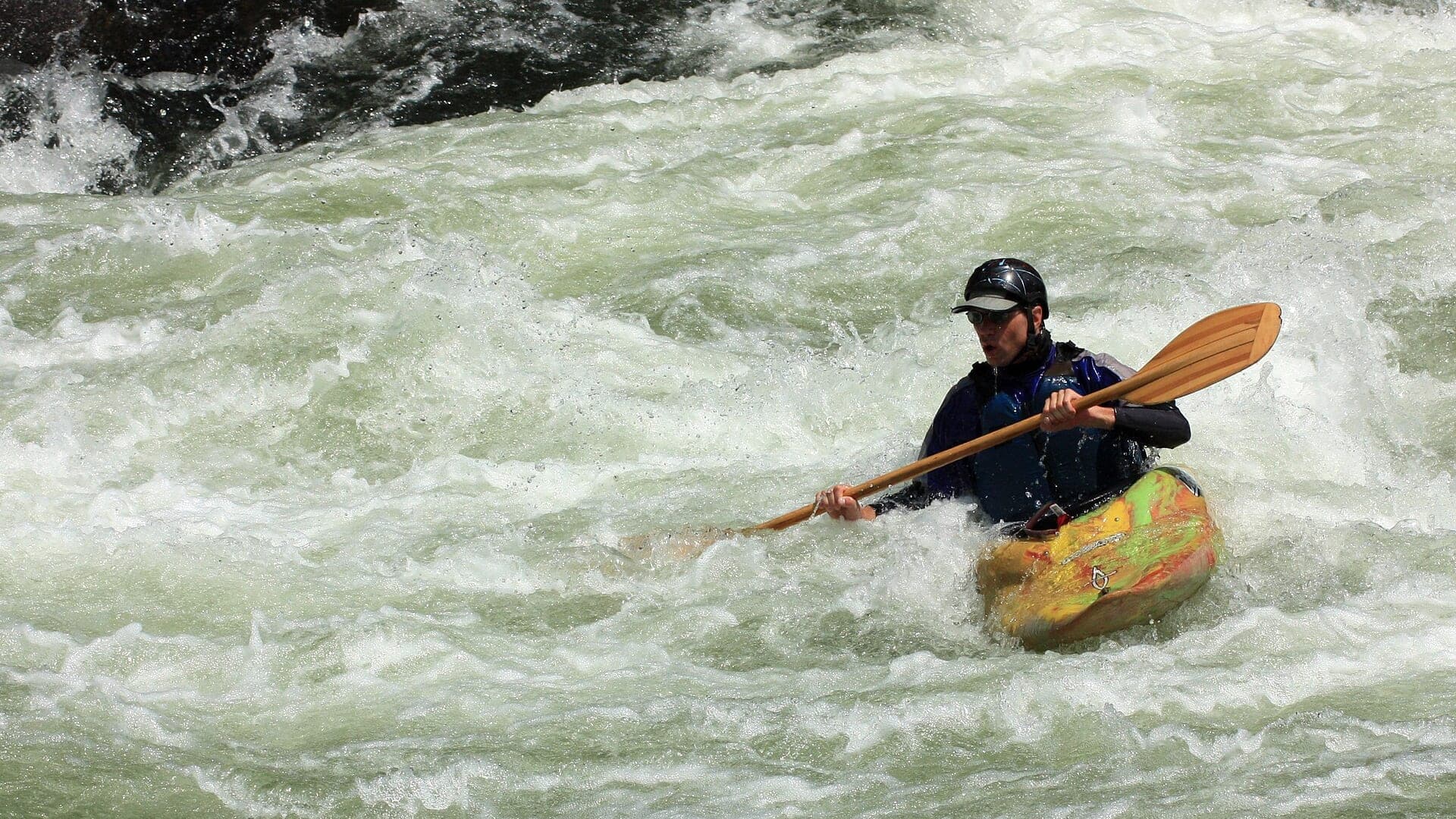
Image: Low brace Youghiogheny River Ohiopyle, PA / CC BY 2.0 / flickr user "Truello" = Andy from Pittsburgh, USAFishability now: Youghiogheny River fishability today
GreatData confidence: High96/100
Fishable now because the live gauge is falling, weather is usable, and no public alert is active.
Flow observed
4:45 PM UTC
Weather observed
5:00 PM UTC
Score calculated
5:26 PM UTC
Why this rating
Flow
Water temperature
Public alerts
Next 6-12 hours
Improving / hold
A falling gauge and usable weather should keep the next 6-12 hours in play unless tributaries stain or heat builds.
USGS flow
3,020 cfs
Current trend: flow falling, rating likely holding strong unless weather or clarity changes.
More planning details: flies, flow bands, and live source checks
Fish it today
Start here
Start with the Confluence gauge, PFBC rules and fisheries-plan context, DCNR Ohiopyle information, USACE recreation information, weather, and one realistic access or float plan. Decide trout, streamer, or smallmouth before rigging.
Best flow clue
Use USGS 03081000 below Confluence as the primary live flow check for this report. Stable readable flow is best; high releases, pushy seams, or poor exits should move the plan to banks, a boat, or another stream.
Skip trigger
Skip or pivot when flows make crossings unsafe, storms are nearby, trout temperatures are stressful, whitewater traffic crowds the corridor, or the intended access and exit are not confirmed.
Flow decision bands
Readable edge water
Stable, readable below-Confluence flow is the best setup for bank, edge-wade, float, trout, streamer, or smallmouth plans.
Best big-river window
A steady or slowly falling trend with mild weather and a confirmed exit plan gives the strongest signal.
Pushy, high, or stormy
High releases, storms, whitewater traffic, or poor exits should move the plan to banks, boats, or a smaller backup.
Warm or recreation-heavy
Warm trout conditions, crowded Ohiopyle traffic, or launch and takeout friction can weaken the fishing plan.
USGS flow
3,020 cfs
Current trend: flow falling, rating likely holding strong unless weather or clarity changes.
Live USGS flow
3,020 cfs / falling about 23%
Live NWS forecast
73F / Sunny
Live water temperature
56F from USGS
No NWS alert flag
No active NWS alert was returned for this forecast point.
Flows that look fishable from the bank can still be dangerous in the main current.
Trout tactics are strongest around the managed below-Confluence corridor and cooler releases.
Smallmouth, walleye, and warmwater fishing become more relevant in downstream context.
Have a float, bike, or trail plan before committing to long reaches.
Editorial review
How this report is maintained
This Youghiogheny River report is maintained from Pennsylvania Fish and Boat Commission regulations and fisheries-plan sources, DCNR Ohiopyle fishing access guidance, U.S. Army Corps of Engineers Youghiogheny River Lake recreation information, USGS Confluence flow data, weather, media-credit, and Laurel Highlands big-river planning sources.
Byline
BlueStreamFly editorial team
Reviewed by
BlueStreamFly source review
Maintained by
Mountain Brook Run LLC
Last material review
2026-06-01
Report confidence
Good confidence
89/100
Good confidence: Pennsylvania regulations, PFBC fisheries-plan context, DCNR and USACE access sources, USGS below-Confluence flow, weather coverage, image credit, and route-specific big-river guidance support the page. Confidence is moderated by broad river scope, release and whitewater variability, float logistics, warm-water timing, and current river hazards.
Regulations
Pennsylvania fishing regulations and the PFBC Youghiogheny River fisheries plan support the current rule-check path.
Access
DCNR Ohiopyle and USACE Youghiogheny River Lake sources support public recreation and access planning.
Flow and weather
USGS 03081000 below Confluence and the National Weather Service point provide strong live planning support for flow, weather, and storm decisions.
Fishing usefulness
The page now separates trout corridor, flow decisions, float safety, access logistics, warmwater alternatives, and backup-water choices.
Fishability dashboard and source review
2026-06-01 / material content or source review
Pennsylvania fishing regulations, the PFBC Youghiogheny River fisheries plan, DCNR Ohiopyle fishing information, U.S. Army Corps of Engineers Youghiogheny River Lake recreation information, USGS 03081000 below Confluence, the National Weather Service point, and image credit were checked before updating the current-fishability decision layer.
2026-06-01
Updated Youghiogheny River to the current fishability-page standard with Confluence big-river flow bands, Ohiopyle and reservoir access cards, backup cues, stable fishability SEO, and confidence signals.
2026-05-28
Added below-Confluence trip fit, big-river flow and whitewater safety planning, Ohiopyle and reservoir access nuance, trout-versus-warmwater decision cues, backup-water suggestions, editorial review signals, and a page-specific report-confidence meter after source review.
2026-05-25
Initial source-reviewed report published with flow, weather, hatches, flies, tactics, access, regulations, and FAQs.
Angler planning edge
Local details that change the plan
Best for
Laurel Highlands anglers planning the Youghiogheny below Confluence around USGS flow, PFBC trout context, Ohiopyle access, whitewater safety, and weather, Wade-edge, bank, float, nymph, streamer, and hatch-window days when release and current speed match the plan, Trips where big-water safety, boat traffic, trail exits, trophy-trout rules, and warmwater alternatives need current checks, Anglers comparing Youghiogheny River with Laurel Hill Creek, Slippery Rock Creek, or Clarion River before choosing a western Pennsylvania plan
Wade or float
Treat the Youghiogheny as powerful big water. The below-Confluence gauge, release trend, whitewater traffic, access points, and exit plan should decide whether to wade, bank-fish, or float.
Best flows
Use USGS 03081000 below Confluence as the primary live flow check for this report. Stable readable flow is best; high releases, pushy seams, or poor exits should move the plan to banks, a boat, or another stream.
When to skip
Skip or pivot when flows make crossings unsafe, storms are nearby, trout temperatures are stressful, whitewater traffic crowds the corridor, or the intended access and exit are not confirmed.
Local plan
Start with the Confluence gauge, PFBC rules and fisheries-plan context, DCNR Ohiopyle information, USACE recreation information, weather, and one realistic access or float plan. Decide trout, streamer, or smallmouth before rigging.
Pressure
Pressure follows Ohiopyle recreation traffic, easy trail access, release windows, and trout-season timing. A planned exit and a quieter legal edge often matter more than reaching the most obvious run.
Access nuance
DCNR and USACE sources support the recreation framework, but launch, takeout, parking, whitewater activity, private banks, and current river hazards still need trip-day confirmation.
Backup water
If the Youghiogheny is high, crowded, too warm, or logistically awkward, compare Laurel Hill Creek for smaller trout water, Slippery Rock Creek for freestone fishing, or Clarion River for another western Pennsylvania river option.
About the river
Setting, character, and why it fishes the way it does.
The Youghiogheny River drains mountain water through southwestern Pennsylvania and passes Confluence before dropping toward Ohiopyle. The below-Confluence reach is the defensible trout-report focus because flow, access, and PFBC management are tied to that corridor.
This is bigger and more powerful water than most Pennsylvania creeks. It can fish from shore, by wading, or by boat, but release timing and whitewater traffic can change the day fast.
The best report does more than list a gauge. It helps anglers decide whether to wade, float, streamer fish, nymph, or choose another creek when the Yough is too pushy.
Target species
Rainbow trout
Important in the managed trout corridor and stocked/trophy-trout planning.
Brown trout
Can use deeper banks, boulders, and low-light streamer windows.
Smallmouth bass
A stronger target in warmer downstream context and summer big-river fishing.
Walleye and other warmwater fish
Part of the broader river system but secondary to the trout-report focus.
Reading the water
Low to moderate
Look for safe edges, boulder seams, and riffle transitions before wading far.
Higher release
Prioritize shore or boat tactics, and skip unsafe crossings.
Clear water
Use longer leaders, smaller nymphs, and low-profile streamer retrieves.
Warm periods
Watch temperature and shift toward smallmouth or avoid trout stress when needed.
Best seasons
Spring
Cool water, caddis, mayflies, and trout activity can line up with strong flows.
Summer
Early and late trout windows need temperature checks; smallmouth become more relevant.
Fall
Streamer fishing and cooler water can make the river more interesting.
Winter
Cold-water nymphing is possible, but flow and footing are the limiting factors.
USGS flow
Youghiogheny River below Confluence
This is the fallback for rivers that are not covered by RiverReports. Use the official USGS monitoring page for the live hydrograph, station metadata, and current water trend.
Open USGS gaugeUSGS data chart
Youghiogheny River below Confluence
Streamflow over the latest USGS reporting window.
Latest
3,020 cfs
Jun 3, 4 PM UTC
Weather
River weather report
Weather can change wading safety, road access, water temperature, hatches, and the best time of day to fish.
Live forecast loads as you reach this section
This keeps the report fast while still using the official National Weather Service forecast point.
Hatches and flies
Hatch chart and fly picks
Winter
Midges, tiny BWOs, scuds, sowbugs, and slow tailwater nymphing
Zebra midge, BWO emerger, scud, sowbug, small pheasant tail
March to May
BWOs, caddis, sulphurs, crane flies, and early tailwater bugs
BWO dry, caddis pupa, sulphur nymph, crane larva, soft hackle
June to September
Sulphurs, caddis, terrestrials, midges, and low-light streamer windows
Sulphur emerger, elk hair caddis, ant, beetle, zebra midge, sculpin
October to December
BWOs, midges, caddis remnants, and baitfish or sculpin movement
BWO emerger, midge pupa, soft hackle, olive bugger, small streamer
Small nymphs
Zebra midge, scud, sowbug, BWO nymph, pheasant tail, caddis pupa
Use during low generation or clear water when trout feed close to the bottom.
Dries and emergers
Sulphur emerger, BWO, midge cluster, caddis, soft hackle
Use for hatch windows, flat glides, and sipping fish that will not move far.
Streamers
Sculpin, leech, olive bugger, white streamer, small baitfish
Use on generation, stained water, or cloudy days when bigger fish leave cover.
Tactics
How to fish it
Check USGS flow before deciding whether the day is wade, bank, or boat water.
Nymph boulder seams and soft edge lanes before covering the main current.
Use streamers tight to structure when flows rise but remain safe.
Watch for caddis and mayfly windows in softer water, not only the fastest riffles.
Give whitewater users room and avoid standing in blind boat lanes.
Rigging
Rod, leader, and setup notes
A 5 or 6-weight is useful for trout nymphs and streamers.
Carry heavier leaders for streamers and lighter tippet for clear trout edges.
Use enough weight to reach boulder seams without hanging every drift.
A PFD is smart around boats, high water, and float plans.
Access
Access and planning notes
Confluence gauge
Primary big-river decisionWade / float / trail
USGS gauge / wade / float
When to pick it
Start here when current speed, release trend, and wading or floating safety decide the day.
Caution
Big-water hazards, whitewater traffic, and exits still need trip-day confirmation.
Ohiopyle corridor
Public recreation anchorWade / float / trail
Bank / trail / float
When to pick it
Use it when access, trail movement, and recreation traffic shape the plan.
Caution
Crowds, river hazards, parking, and whitewater activity can change the fishing decision quickly.
Youghiogheny River Lake / USACE context
Release and recreation checkWade / float / trail
Reservoir / downstream context
When to pick it
Pick this before assuming a release pattern or float logistics.
Caution
Reservoir context does not remove the need for current river-level and exit checks.
Do not assume a safe-looking edge stays safe after release changes.
Whitewater traffic, trail users, and anglers share the corridor.
Plan exits before a long float or walk; remote stretches take longer than they look.
Regulations
Check before fishing
Check PFBC rules for the exact Youghiogheny River reach before fishing, especially below Confluence and through the Ohiopyle corridor.
Primary base
Confluence, Ohiopyle, or Somerset
Best day style
Tailwater-influenced big river, trail and float access, whitewater awareness
Check first
PFBC trophy trout rules, USGS flow, dam release context, weather, and boating safety
Safety
Release changes, powerful current, whitewater users, cold water, and remote exits
Gear
Helpful gear for this water
Four or five-weight rod
Covers most dry-fly, nymph, and dry-dropper work.
Six-weight or streamer rod
Useful for wind, higher water, and larger flies.
Thermometer
Use it before catch-and-release trout fishing in warm weather.
Wading staff
Helpful on limestone shelves, boulders, and pushy tailwater edges.
Barbless-hook box
Speeds handling on wild trout and special-regulation water.
Nearby water
Other water to research
Backup logic
High or pushy water
Compare Laurel Hill Creek, Slippery Rock Creek, or Clarion River depending on which is safer and clearer.
Warm trout conditions
Switch target, fish cooler windows, or move to smaller colder trout water.
Crowded recreation corridor
Use a quieter legal access or pick another western Pennsylvania option.
Weak exit plan
Do not wade or float without a confirmed safe exit.
Laurel Hill Creek
A smaller Laurel Highlands trout option when the Yough is high.
Allegheny River
Another big Pennsylvania river with tailwater-style planning.
Clarion River
A forested mainstem plan with trout and smallmouth context.
FAQ
Fast answers
Is Youghiogheny River fishable today?
Youghiogheny River looks very fishable right now. The live score is 96/100, based on current flow, weather, public alerts, and the report's planning context. Recheck the linked gauge and forecast before leaving because conditions can change quickly after rain, heat, access changes, or flow swings.
What flow is best for Youghiogheny River?
Use USGS 03081000 below Confluence as the primary live flow check for this report. Stable readable flow is best; high releases, pushy seams, or poor exits should move the plan to banks, a boat, or another stream.
When should I skip Youghiogheny River?
Skip or pivot when flows make crossings unsafe, storms are nearby, trout temperatures are stressful, whitewater traffic crowds the corridor, or the intended access and exit are not confirmed.
Is Youghiogheny River safe to wade right now?
The fishability score is not a wading guarantee. Wade only where your chosen access has safe edges, clear footing, legal entry, and no forced crossings; high, rising, stained, or storm-affected water should be treated conservatively.
What should I check first before fishing Youghiogheny River?
Check PFBC reach rules, USGS 03081000, dam release context, weather, and Ohiopyle safety information.
Where should a first-time visitor start on Youghiogheny River?
Start with Confluence, Ramcat, or Ohiopyle planning points, then match the access to current flow.
Can I wade Youghiogheny River?
Sometimes, but this is powerful water. Skip wading when flows, releases, or boat traffic make it unsafe.
What flies should I bring for Youghiogheny River?
Bring the seasonal fly box, then adjust size, weight, and color to water level, clarity, temperature, and fishing pressure.
Sources
Source set for this report
Reviewed 2026-06-01