Northeast
New Jersey fly fishing reports
Use this New Jersey hub to choose a starting river, check flows and weather, compare hatches, and jump into report pages with access, tactics, regulations, and source links.
New Jersey quick finder
Open the right report first.
Search New Jersey reports by river, water type, access style, or flow source. Start with a fishability-ready report when one matches the day.
5
reports
5
fishability-ready
Musconetcong River
Musconetcong River trout corridor and Point Mountain TCA context
High confidence (90/100)
South Branch Raritan River
High Bridge and Ken Lockwood Gorge South Branch trout corridor
High confidence (90/100)
Pequest River
Pequest River hatchery and Seasonal TCA corridor
Good confidence (89/100)
Reports
5
Region
Northeast
Fishability-ready
5
Planning focus
Flows, hatches, access
Flow coverage
3 with RiverReports chart coverage, 2 using USGS gauge fallback
BlueStreamFly currently covers 5 New Jersey fly fishing reports. The list below is organized around real report pages, so the state hub is a fast way to compare watersbefore opening a full river report. Start with the waters that match your trip style, then open the individual page for flow context, weather, hatches, flies, access notes, and source links.
The covered water types include Big Flat Brook and Flat Brook trout corridor, Musconetcong River trout corridor and Point Mountain TCA context, Pequest River hatchery and Seasonal TCA corridor, Upper Bergen County Ramapo trout corridor, and High Bridge and Ken Lockwood Gorge South Branch trout corridor. Access styles in the current report set include State access points, Delaware Water Gap context, road bridges, stocked reaches, and C&R water, State parks, road crossings, TCA water, public pull-offs, and lower-river gauge context, Hatchery parking, road crossings, TCA water, stocked reaches, and clear regulation boundaries, County reservation, road crossings, stocked reaches, town access, and upper/lower rule distinctions, and Gorge access, WMA/TCA water, road pull-offs, stocked reaches, and careful boundary checks. That mix matters because a float river, a small trout stream, and a tailwater all need different flow, wading, fly, and safety decisions.
Flow checks are part of the planning path. In this state set,3 with RiverReports chart coverage, 2 using USGS gauge fallback. When a report uses a RiverReports chart, the page still keeps official gauge or agency sources where available. When only USGS data is available, the report explains the gauge and the practical planning limits.
New Jersey's current reports focus on well-known trout corridors, hatchery-influenced systems, and special-regulation reaches. The state hub should help anglers compare public access, TCA water, stocked reaches, and private-boundary concerns.
This is a state where details matter. Flat Brook, the South Branch Raritan, Musconetcong, Pequest, and Ramapo can all be useful, but each has different access and regulation context.
Best for
- - Trout Conservation Area and stocked-water planning
- - North and central New Jersey trout trips
- - Anglers comparing gorge, hatchery, park, and road-access water
- - Readers who need regulation and public-access reminders before fishing
Check before you go
- - Check New Jersey regulations, stocked water designations, and TCA rules before fishing.
- - Use official access maps and posted-land awareness before entering at bridges or banks.
- - Expect pressure around popular trout reaches, especially near hatchery and special-regulation water.
- - Use flow and clarity checks after rain because smaller New Jersey trout streams can change quickly.
New Jersey content should lean on official regulation and access sources because legal reach boundaries and stocked designations are important.
Best starting points
First reports to open in New Jersey
These are not rankings. They are quick starting points from the current inventory, chosen to help you compare water types, access, and source coverage before drilling into the full list.
Big Flat Brook and Flat Brook trout corridor
Flat Brook
A Big Flat Brook and Flat Brook report for Sussex County trout fishing, catch-and-release planning, flow, hatches, access, and rules.
Open report
Musconetcong River trout corridor and Point Mountain TCA context
Musconetcong River
A Musconetcong report for stocked trout, Point Mountain TCA planning, live flow, public access, hatches, tactics, and rule checks.
Open report
Pequest River hatchery and Seasonal TCA corridor
Pequest River
A Pequest River report for hatchery-area trout water, Seasonal TCA planning, live flow, access, hatches, tactics, and rule checks.
Open report
Upper Bergen County Ramapo trout corridor
Ramapo River
A Ramapo River report for upper Bergen trout access, live USGS flow, stocked-water rules, hatches, tactics, and safe planning.
Open report
High Bridge and Ken Lockwood Gorge South Branch trout corridor
South Branch Raritan River
A South Branch Raritan report for Ken Lockwood Gorge and High Bridge trout planning, with flow, hatches, access, rules, and tactics.
Open report
Seasons
How to think about timing
The best season changes by elevation, runoff, regulation, water temperature, hatch timing, and access. Use these notes as planning prompts, then confirm the individual river page and current official sources before fishing.
Spring
Stocked-trout windows, early stones, BWOs, and careful closure checks. See Flat Brook.
Early summer
Caddis, sulphurs, terrestrials, and good clear-water dry-dropper fishing. See Flat Brook.
Summer
Early shaded water only when temperatures stay safe. See Flat Brook.
Fall and winter
BWOs, midges, scuds, and quieter C&R-style fishing where legal. See Flat Brook.
Hatches
Hatch windows and fly planning
Hatch charts on BlueStreamFly are practical planning notes, not live bug reports. They help you pack flies and choose a starting tactic, then the actual river conditions should make the final decision.
March to April / Flat Brook
Midges, early stones, BWOs, stocked-trout nymphing
Zebra midge, black stonefly, BWO emerger, pheasant tail, egg only where legal
May to June / Flat Brook
Caddis, sulphurs, March Browns, crane flies, light mayflies
Elk hair caddis, caddis pupa, sulphur, March Brown, hare's ear
Rules, access, and sources
Check the official path before you fish.
Regulations, closures, access, stocking, water temperature, and releases can change faster than a static page. Every river report should be treated as a planning page that points you back to current official sources.
Flow
USGS Flat Brook near Flatbrookville 01440000
Open source page
Regulations
New Jersey trout fishing regulations
Open source page
Regulations
New Jersey general trout information
Open source page
Access
NJ Fish and Wildlife trout-water access list
Open source page
Access
Delaware Water Gap fishing
Open source page
Safety and weather
National Weather Service forecast point
Open source page
Flow
RiverReports Musconetcong River near Bloomsbury
Open source page
Flow
USGS Musconetcong River near Bloomsbury 01457000
Open source page
Full state list
All New Jersey report pages
Open a specific report for current planning context, nearby water, access notes, regulations, hatches, fly picks, weather, flow checks, and source links.
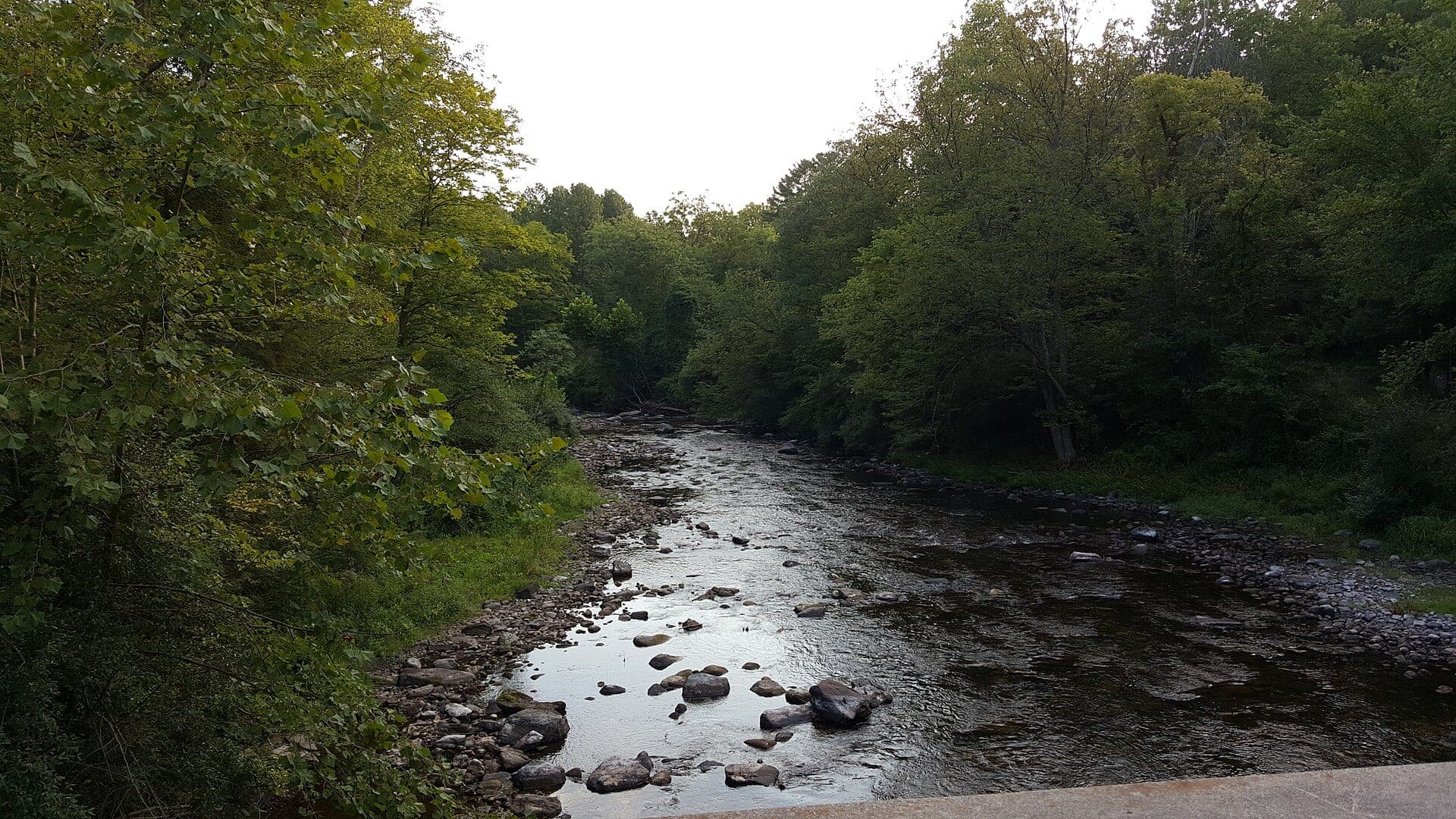
New Jersey / Northeast
Flat Brook
Check if Flat Brook is fishable today with live flow context, weather, access, regulations, hatch timing, flies, and source links.
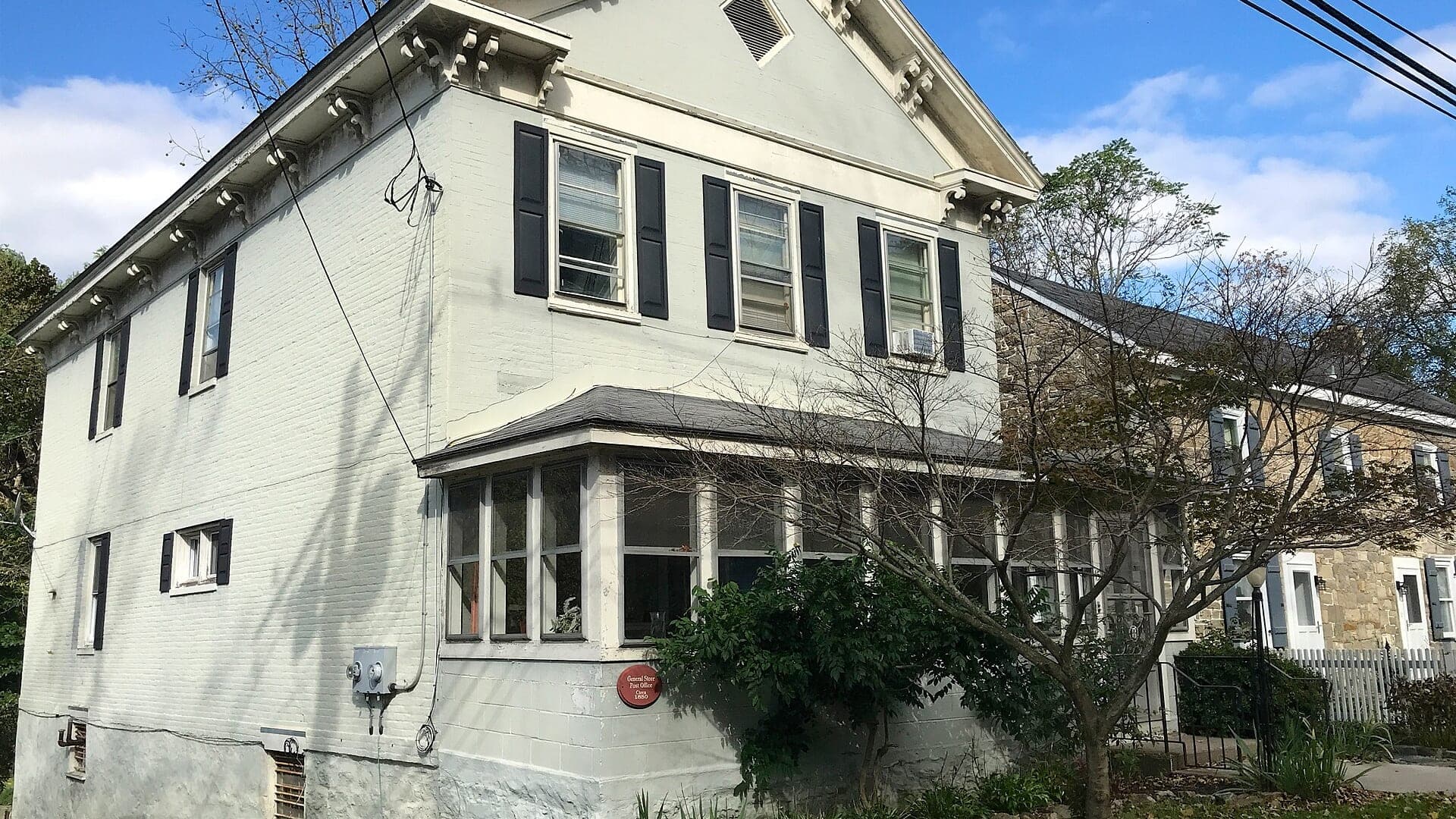
New Jersey / Northeast
Musconetcong River
Check if Musconetcong River is fishable today with live flow context, weather, access, regulations, hatch timing, flies, and source links.
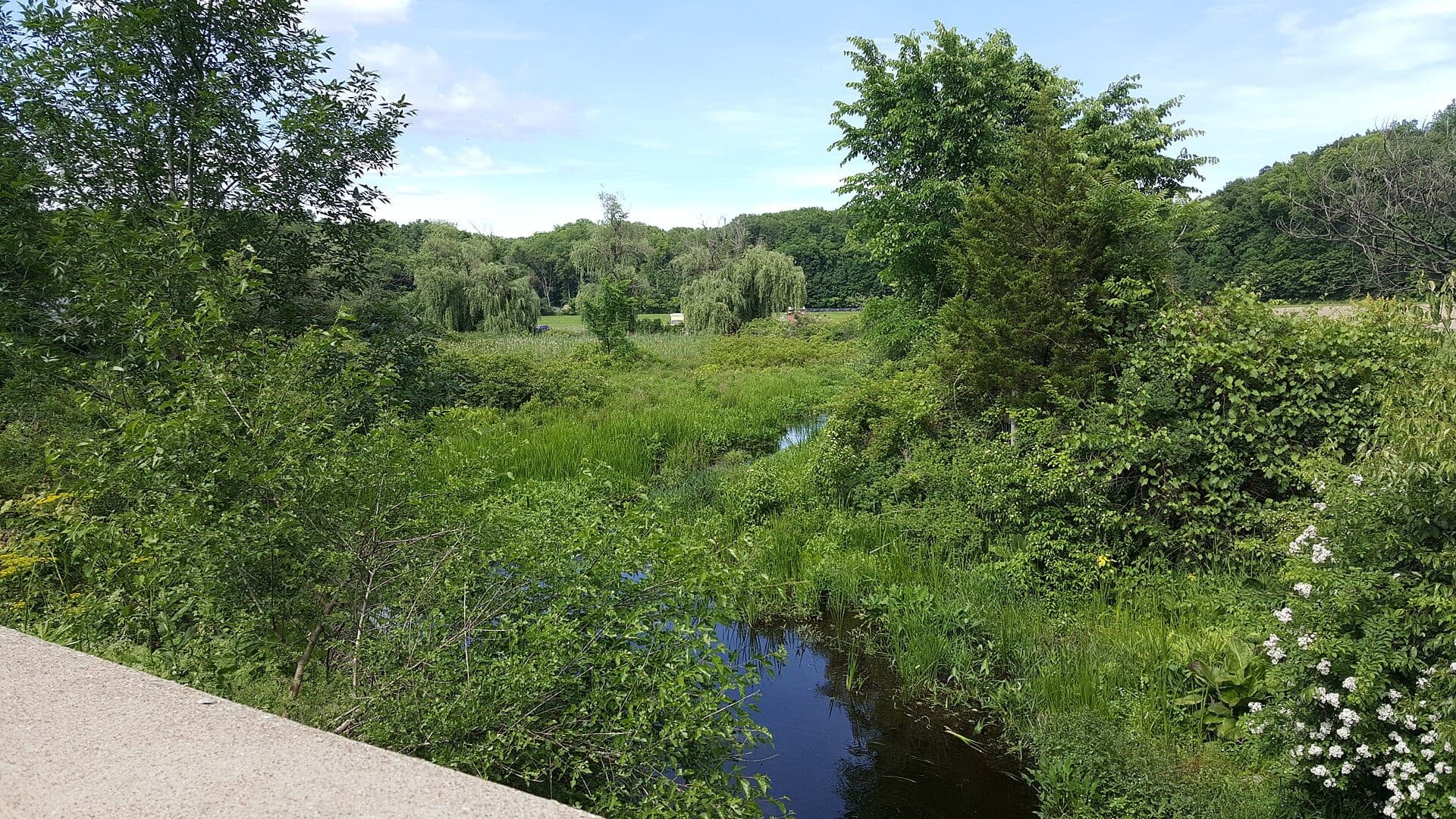
New Jersey / Northeast
Pequest River
Check if Pequest River is fishable today with live flow context, weather, access, regulations, hatch timing, flies, and source links.

New Jersey / Northeast
Ramapo River
Check if Ramapo River is fishable today with live flow context, weather, access, regulations, hatch timing, flies, and source links.
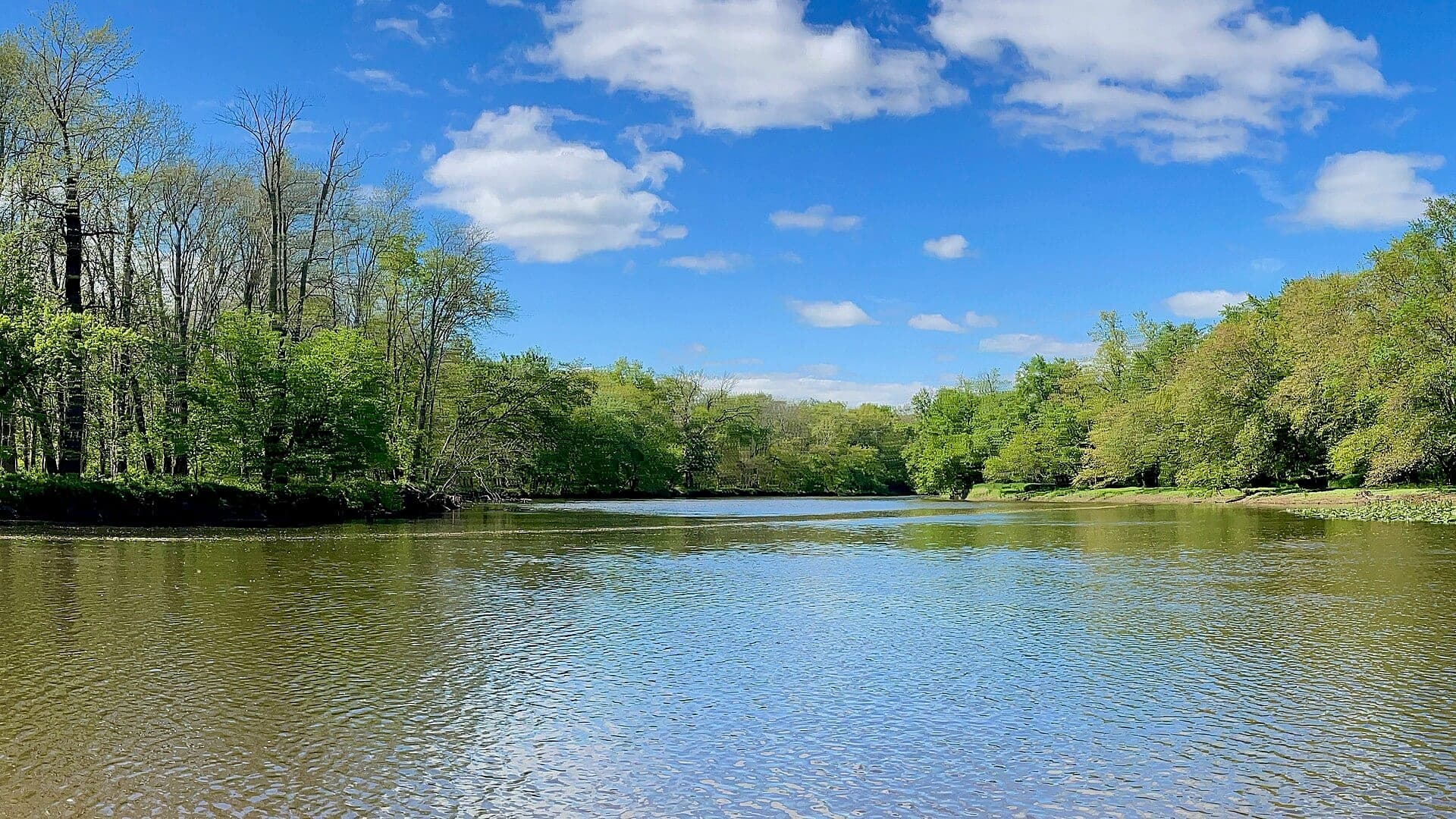
New Jersey / Northeast
South Branch Raritan River
Check if South Branch Raritan River is fishable today with live flow context, weather, access, regulations, hatch timing, flies, and source links.