Maryland / Northeast
Potomac River
A Maryland Potomac report for Little Falls and nearby nontidal-to-tidal planning, smallmouth, stripers, flows, access, flies, and safety.
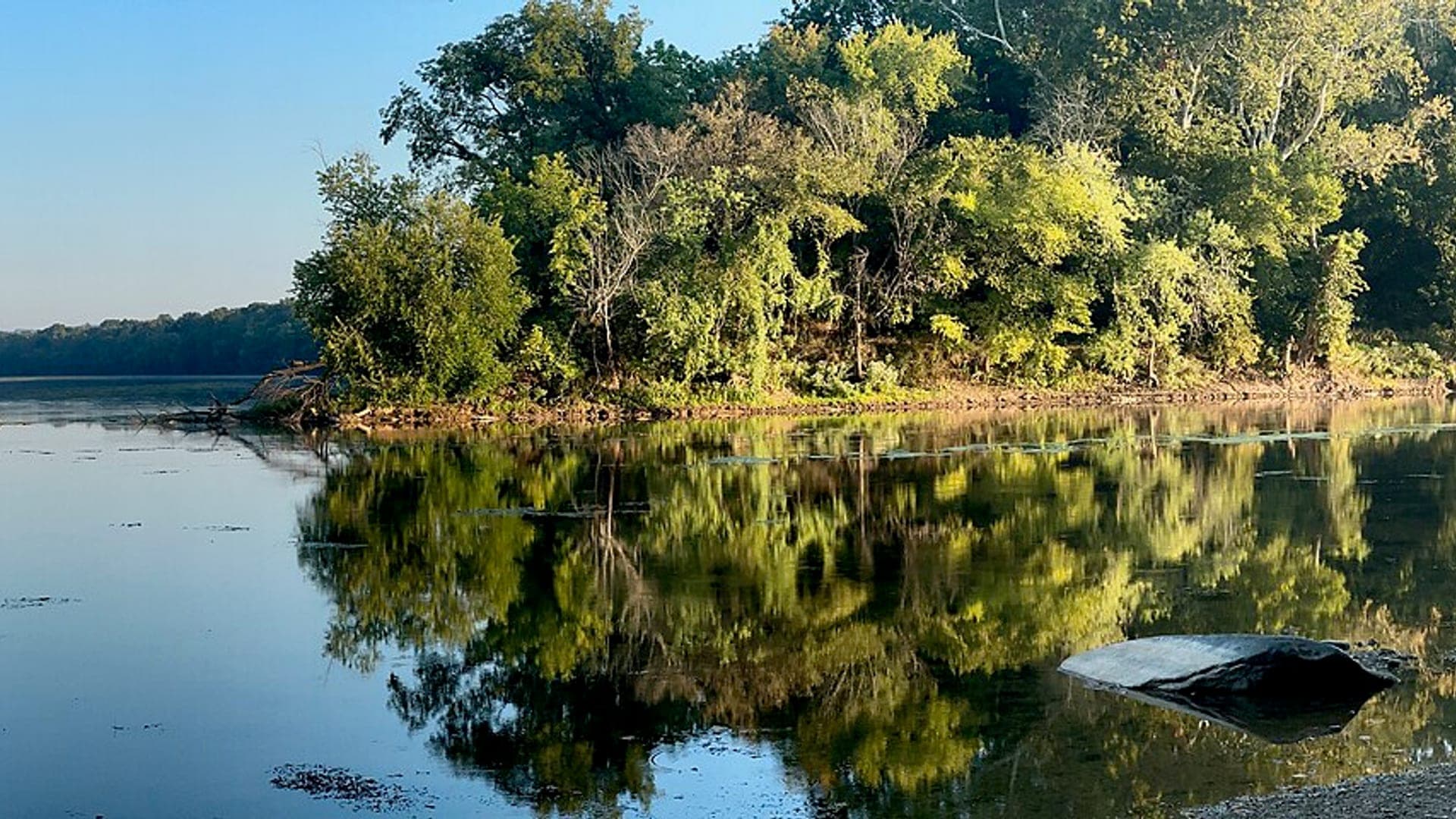
Image: Confluence of Monocacy and Potomac Rivers, Monocacy Aqueduct, C&O Canal, MD / CC BY-SA 4.0 / ZeeteFishability now: Potomac River fishability today
GoodData confidence: High84/100
Fishable now because Little Falls Pump Station gauge is falling, weather is usable, and a public alert may affect the plan.
Flow observed
4:50 PM UTC
Weather observed
5:00 PM UTC
Score calculated
5:25 PM UTC
Why this rating
Flow
Water temperature
Public alert
Next 6-12 hours
Improving / hold
A falling gauge and usable weather should keep the next 6-12 hours in play unless tributaries stain or heat builds.
USGS flow
10,100 cfs
Current trend: flow falling, rating likely holding strong unless weather or clarity changes.
More planning details: flies, flow bands, and live source checks
Fish it today
Start here
Choose the river style first: C&O corridor bank access, Great Falls observation and safety context, Little Falls flow planning, or a lower tidal plan that has a separate rule and launch check.
Best flow clue
Use RiverReports and USGS 01646500 at Little Falls for lower Maryland and DC corridor context. Stable moderate flows are best for warmwater structure; high water should move the plan to safe banks or another river.
Skip trigger
Skip wading or boating when the river is high, Great Falls safety restrictions apply, storms or debris are moving through, tidal or striped bass rules are unclear, or the access point depends on unsafe ledges.
Flow decision bands
Low but fishable
Lower stable water can open warmwater ledges, banks, and trailside structure, but summer heat and access safety still matter.
Best warmwater structure window
Stable or falling Little Falls flow with clear enough water, legal access, and mild weather is the best smallmouth, carp, panfish, and mixed-species signal.
Pushy or unsafe
High or rising big-river flow, debris, storms, or Great Falls safety restrictions should stop wading and boating plans.
Tidal and reach caution
Nontidal ledges, lower tidal water, striped bass rules, and metro access are separate decisions.
USGS flow
10,100 cfs
Current trend: flow falling, rating likely holding strong unless weather or clarity changes.
Live USGS flow
10,100 cfs / falling about 37%
Live NWS forecast
78F / Sunny
Live water temperature
71F from USGS
Active public alerts
Test Message
Use Little Falls flow for lower Maryland/DC corridor context.
Smallmouth and warmwater species are the practical fly focus in much of the nontidal river.
Striped bass and tidal rules become more relevant lower in the system.
High water is dangerous. Do not wade ledges or push crossings when the river is up.
Editorial review
How this report is maintained
This report is maintained from current regulation, access, flow, weather, and public planning sources so anglers can make better trip decisions than a raw gauge or generic overview would allow.
Byline
BlueStreamFly editorial team
Reviewed by
BlueStreamFly source review
Maintained by
Mountain Brook Run LLC
Last material review
2026-05-31
Report confidence
Good confidence
85/100
Good confidence: RiverReports, USGS 01646500, Maryland regulation and fishing sources, C&O Canal access information, Great Falls safety guidance, and weather data support the page. Confidence is moderated by broad reach scope, tidal versus nontidal differences, high-water danger, ledges, and changing access conditions.
Regulations
Maryland fishing regulations support the legal-check path, but tidal, nontidal, and species-specific rules must be checked for the exact reach.
Access
C&O Canal fishing and boating information supports the public access framework, with conditions, closures, and Great Falls restrictions still requiring day-of checks.
Flow and weather
RiverReports, USGS 01646500, and the National Weather Service point are attached to the route.
Fishing usefulness
The page now separates Little Falls flow, warmwater tactics, C&O access, Great Falls safety, tidal rule checks, high-water risk, and North Branch or Gunpowder backups.
Fishability dashboard and source review
2026-05-31 / material content or source review
RiverReports and USGS Little Falls flow, Maryland DNR Potomac fishing resources, Maryland fishing regulations, C&O Canal fishing and boating information, Great Falls river-safety guidance, and the National Weather Service point were checked before updating the current fishability guidance.
2026-05-31
Updated Potomac River with Little Falls flow guidance, C&O and Great Falls access cards, big-river safety and warmwater cautions, backup cues, stable fishability SEO, and confidence signals.
2026-05-29
Added Potomac River trip-fit guidance, Little Falls gauge framing, C&O Canal access and boating nuance, Great Falls safety reminders, warmwater and tidal-rule planning, backup-water suggestions, editorial review signals, and a page-specific report-confidence meter after source review.
2026-05-24
Initial source-reviewed report published with flows, weather, hatches, flies, tactics, access, regulations, and FAQs.
Angler planning edge
Local details that change the plan
Best for
Warmwater fly anglers planning Maryland-side Potomac access around Little Falls, Great Falls, C&O towpath reaches, and nearby metro water, Smallmouth, carp, panfish, and mixed-species plans where big-river flow and safe bank access come before fly choice, Kayak, skiff, ramp, trail, and bank anglers who need to separate nontidal ledge water from lower tidal or metro assumptions, Anglers who will check Maryland rules, C&O access, Great Falls safety, and high-water risk before stepping near the river
Wade or float
Treat the Maryland Potomac as a big-river bank, trail, ramp, and carefully selected edge-wading report. The river is not a casual small-stream wade plan, especially near ledges, high water, and Great Falls safety zones.
Best flows
Use RiverReports and USGS 01646500 at Little Falls for lower Maryland and DC corridor context. Stable moderate flows are best for warmwater structure; high water should move the plan to safe banks or another river.
When to skip
Skip wading or boating when the river is high, Great Falls safety restrictions apply, storms or debris are moving through, tidal or striped bass rules are unclear, or the access point depends on unsafe ledges.
Local plan
Choose the river style first: C&O corridor bank access, Great Falls observation and safety context, Little Falls flow planning, or a lower tidal plan that has a separate rule and launch check.
Pressure
Pressure follows trailheads, ramps, summer weekends, and metro access windows. A second legal access point helps when the first bank or launch is crowded.
Access nuance
The C&O Canal corridor and NPS information support public planning, but towpath conditions, closures, boating rules, private edges, ledge hazards, and Great Falls restrictions all matter.
Backup water
If the Potomac is high, hot, crowded, or safety-limited, compare the North Branch Potomac, Big Gunpowder Falls, or Savage River system for a more focused Maryland plan.
About the river
Setting, character, and why it fishes the way it does.
The Potomac is one of the East's major rivers, and the Maryland side includes famous ledge water, C&O corridor access, ramps, and urban-to-wild transitions.
For fly anglers, the river is less about a trout hatch chart and more about flow level, smallmouth habitat, baitfish, crayfish, shade, and safe access.
Because the Potomac spans multiple management contexts, this page focuses on Maryland planning near Great Falls, Little Falls, and connected C&O access instead of pretending the whole river fishes the same.
Target species
Smallmouth bass
A primary fly target in rocky nontidal water when flows and temperatures are suitable.
Largemouth bass
More relevant in slower backwaters, tidal edges, and vegetated areas.
Striped bass
Seasonal and tidal/lower-river context; follow current Maryland rules.
Walleye, musky, and catfish
Present in sections of the river, but tactic and regulation details vary by reach.
Reading the water
Stable moderate flow
Fish ledge edges, eddies, current breaks, and bank shade with baitfish or crayfish patterns.
Low clear summer water
Fish early or late, use smaller streamers or poppers, and avoid stressing fish in heat.
High water
Do not wade ledges. Fish safe banks or choose another water.
Tidal influence
Lower sections need tide, wind, and boat-traffic planning more than trout-style flow reading.
Best seasons
Spring
Rising temperatures, runoff, and spawning rules shape warmwater fishing windows.
Summer
Classic smallmouth season when stable flows, shade, and low-light periods matter.
Fall
Cooling water can restart baitfish and streamer windows.
Winter
A slower period best used for scouting access and watching flow conditions.
Preferred flow source
Potomac River at Little Falls Pump Station
RiverReports is the preferred chart source when coverage exists. When a matching USGS gauge exists, keep it open as the official backstop for station data and current hydrograph context.
USGS data chart
Official USGS trend
Streamflow over the latest USGS reporting window.
Latest
10,100 cfs
Jun 3, 4 PM UTC
Weather
River weather report
Weather can change wading safety, road access, water temperature, hatches, and the best time of day to fish.
Live forecast loads as you reach this section
This keeps the report fast while still using the official National Weather Service forecast point.
Hatches and flies
Hatch chart and fly picks
Spring
Baitfish, crayfish, aquatic insects, early topwater windows
Clouser, crayfish, woolly bugger, small popper
Summer
Dragonflies, damselflies, terrestrials, baitfish
Slider, popper, damselfly nymph, foam bug, crayfish
Fall
Baitfish schools, crayfish, scattered insects
Clouser, deceiver, crayfish, game changer
Winter
Limited fly windows
Scout access; fish slow streamers only during safe mild windows.
Dry-dropper
Stimulator, chubby, caddis dry, pheasant tail, hare's ear
Use for pocket water, banks, and mixed-depth riffles.
Technical dries
BWO, Sulphur, Hendrickson, comparadun, CDC emerger
Use during clear-water hatch windows and slower pools.
Small streamers
Woolly bugger, sculpin, leech, crayfish
Use after rain, in deeper buckets, or for smallmouth windows.
Warmwater flies
Clouser, crayfish, popper, slider
Use when the river shifts to bass or other warmwater species.
Tactics
How to fish it
Start with a legal, safe access point before picking a target species.
Use crayfish and baitfish patterns around ledges, shade lines, and eddies.
Fish poppers early, late, and around calm bank pockets.
Use a kayak or boat only when flows, wind, and skill make it safe.
Do not wade big ledge water just because it looks shallow from shore.
Rigging
Rod, leader, and setup notes
A 6-weight is the light end for smallmouth; a 7-weight handles wind, bigger flies, and open water better.
Use floating line for poppers and intermediate or sink-tip lines for deeper ledges.
Carry 10- to 16-pound leaders for bass and heavier shock if fishing toothy or rough structure.
Wear a PFD from kayak, canoe, or boat.
Pack water, sun protection, and a phone-safe dry bag.
Access
Access and planning notes
Little Falls flow check
Lower corridor trendWade / float / trail
Gauge / bank / big-river edge
When to pick it
Start here when flow, debris, and ledge safety decide whether the river is worth fishing.
Caution
A big-river score is not permission to wade dangerous ledges.
C&O Canal corridor
Towpath and bank accessWade / float / trail
Trail / bank / paddle context
When to pick it
Use it when public access and towpath conditions shape the day.
Caution
Closures, boating rules, and private or unsafe edges still need current checks.
Great Falls safety check
Hard-stop hazard contextWade / float / trail
Safety / no-wade decision
When to pick it
Pick it before fishing or boating anywhere near ledges and high-gradient water.
Caution
Great Falls restrictions and river safety guidance override fishing plans.
Use official C&O/NPS and Maryland DNR access sources before relying on old bank directions.
The Potomac can rise quickly after basin rain even if local weather looks calm.
Some banks, islands, and structures are restricted or unsafe; do not push access.
Regulations
Check before fishing
Maryland rules vary by freshwater/tidal context and target species. Check current DNR rules for black bass, striped bass, walleye, musky, and any harvest plan.
Primary base
Great Falls, Potomac, Bethesda, or Washington-area access
Best day style
Big-river bank, trail, ramp, kayak, and wade-edge planning
Check first
Little Falls flow, C&O/NPS access, Maryland rules, and water-quality or high-water warnings
Safety
Powerful current, ledges, high-water danger, summer heat, and boat traffic
Gear
Helpful gear for this water
6-weight or 7-weight rod
A better fit for bass, wind, and bigger river flies than a trout rod.
Floating line
Use for poppers, sliders, and shallow ledge fishing.
Intermediate line
Useful for baitfish and crayfish patterns along deeper breaks.
PFD
Required thinking for boat, kayak, or any high-water edge.
Nearby water
Other water to research
Backup logic
High water
Stay away from ledges and compare the North Branch Potomac, Big Gunpowder Falls, or Savage system.
Heat
Fish low-light warmwater windows, focus on oxygenated structure, and keep fish handling quick.
Storms or debris
Wait for Little Falls flow, visibility, and floating debris to settle before boating or bank fishing.
Access issue
Use C&O, NPS, or Maryland-supported access only; pivot if towpath closures, boating rules, private edges, or safety zones are unclear.
North Branch Potomac
A colder upper border-water trout plan below Jennings Randolph.
Big Gunpowder Falls River
A technical Baltimore-area tailwater trout alternative.
Savage River Lower
A western Maryland tailwater trout option with focused special rules.
FAQ
Fast answers
Is Potomac River fishable today?
Potomac River looks fishable right now. The live score is 84/100, based on current flow, weather, public alerts, and the report's planning context. Recheck the linked gauge and forecast before leaving because conditions can change quickly after rain, heat, access changes, or flow swings.
What flow is best for Potomac River?
Use RiverReports and USGS 01646500 at Little Falls for lower Maryland and DC corridor context. Stable moderate flows are best for warmwater structure; high water should move the plan to safe banks or another river.
When should I skip Potomac River?
Skip wading or boating when the river is high, Great Falls safety restrictions apply, storms or debris are moving through, tidal or striped bass rules are unclear, or the access point depends on unsafe ledges.
Is Potomac River safe to wade right now?
The fishability score is not a wading guarantee. Wade only where your chosen access has safe edges, clear footing, legal entry, and no forced crossings; high, rising, stained, or storm-affected water should be treated conservatively.
What should I check first before fishing the Maryland Potomac?
Check Little Falls flow, weather, and C&O/NPS access before choosing a wade, bank, or boat plan.
Are there special regulations on the Maryland Potomac?
Yes. Rules depend on target species and whether you are in freshwater or tidal context.
Is the Maryland Potomac easy to access?
Access is broad but not simple. Safety, parking, NPS rules, high water, and private or restricted areas all matter.
What flies should I bring for the Maryland Potomac?
Bring the hatch chart flies, a few confidence nymphs or baitfish patterns, and a backup selection for high, low, clear, stained, cold, or warm conditions.
Sources
Source set for this report
Reviewed 2026-05-31