California / West
Sacramento River
An Upper Sacramento report for Dunsmuir and the canyon above Shasta Lake, with freestone flow checks, roadside access, wild trout tactics, hatches, and source links.
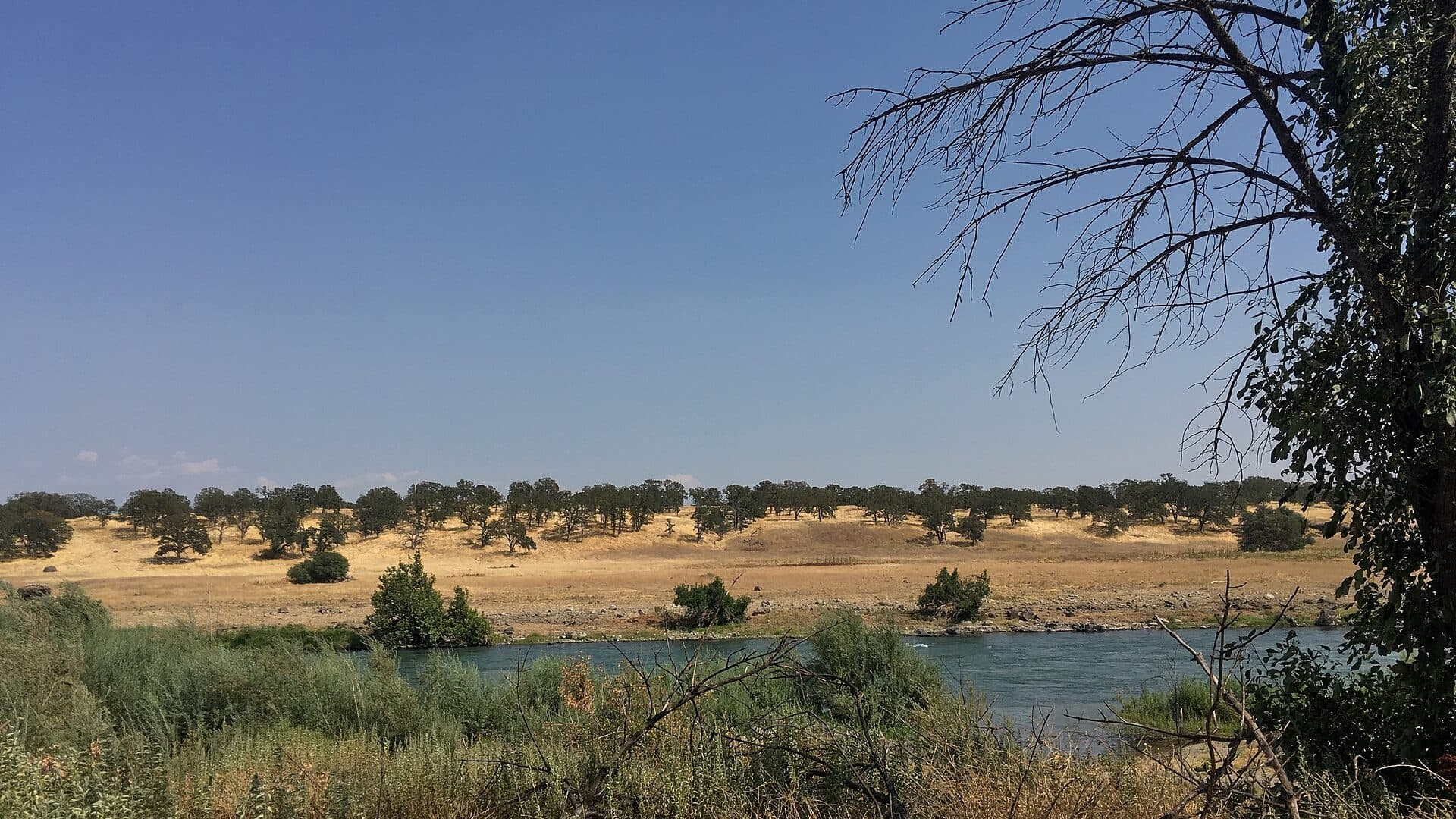
Image: Sacramento River in Bend, California / CC BY-SA 4.0 / Nickdp190Fishability now: Sacramento River fishability today
GreatData confidence: High96/100
Fishable now because Delta gauge is stable, weather is mild, and no public alert is active.
Flow observed
4:30 PM UTC
Weather observed
5:00 PM UTC
Score calculated
5:25 PM UTC
Why this rating
Flow
Weather
Public alerts
Next 6-12 hours
Hold
Stable live data supports staying with the plan, but recheck the gauge and forecast before leaving.
USGS flow
479 cfs
Current trend: flow stable, so weather, temperature, and access checks drive the next change.
More planning details: flies, flow bands, and live source checks
Fish it today
Start here
Pick the exact upper corridor first: Dunsmuir-town pockets, the Delta area, or the lower canyon above Shasta Lake. Match the day to one stretch and its current rule zone instead of bouncing between every pullout with one generic Sacramento River idea.
Best flow clue
Use the Delta gauge as an upper-river trend tool, not a blanket green light. Stable or easing freestone flows are the better fit for pocket-water coverage; storm pulses, runoff spikes, or off-color water should push the plan toward safer edges, a shorter session, or another river.
Skip trigger
Skip the Upper Sac when the freestone is high and pushy, when rail and roadside access would force rushed choices, when summer heat compromises trout handling in lower canyon sections, or when the trip you really want is a drift-boat tailwater day around Keswick and Redding.
Flow decision bands
Low but fishable
Low clear freestone water can fish with small flies, careful approaches, and temperature checks.
Best Upper Sac window
Stable or falling Delta flow with good clarity and cool weather supports dry-droppers, nymphs, and soft hackles.
Storm or runoff unsafe
High, rising, or stained freestone flow should keep anglers out of crossings and marginal highway banks.
Upper/lower split
Do not use Lower Sacramento tailwater assumptions for the Dunsmuir and Delta gauge corridor.
USGS flow
479 cfs
Current trend: flow stable, so weather, temperature, and access checks drive the next change.
Live USGS flow
479 cfs / stable
Live NWS forecast
67F / Sunny
Water temperature not verified
Heat guidance uses weather and river type unless an official water-temperature value is available.
No NWS alert flag
No active NWS alert was returned for this forecast point.
Use the USGS Delta gauge for upper-river flow context.
Check CDFW rules before assuming year-round catch-and-release details.
Expect pocket water, riffles, plunge pools, and fast freestone wading.
Use the separate Lower Sacramento page for Keswick and Redding tailwater planning.
Editorial review
How this report is maintained
This Upper Sacramento report is maintained from current Forest Service access, California regulation, flow, weather, and trout-program sources so anglers can plan the Dunsmuir-to-Shasta freestone corridor without confusing it with the lower tailwater.
Byline
BlueStreamFly editorial team
Reviewed by
BlueStreamFly source review
Maintained by
Mountain Brook Run LLC
Last material review
2026-05-31
Report confidence
Good confidence
88/100
Good confidence: USGS Delta flow, Shasta-Trinity access information, CDFW regulation and wild-trout sources, weather data, and licensed media support the page. Confidence is moderated by broad upper-river scope, freestone storm swings, highway and railroad access, summer heat, and the need to keep it separate from the Lower Sacramento tailwater.
Regulations
CDFW inland regulation, closure, and wild-trout sources support the legal-check path.
Access
Shasta-Trinity National Forest information supports the upper-river access framework, but exact pullouts, rail edges, and private boundaries need current checks.
Flow and weather
USGS 11342000 and the National Weather Service point are attached to the route.
Fishing usefulness
The page now separates Upper Sacramento freestone flow, Dunsmuir access, storm swings, heat, upper/lower river split, and backup water choices.
Fishability dashboard and source review
2026-05-31 / material content or source review
USGS Sacramento River at Delta flow, Shasta-Trinity National Forest Upper Sacramento access, CDFW inland regulation and wild-trout sources, and the National Weather Service point were checked before updating the current-fishability decision layer.
2026-05-31
Updated Upper Sacramento River to the current fishability-page standard with Delta flow guidance, roadside access cards, backup cues, stable fishability SEO, and confidence signals.
2026-05-29
Added a page-specific report-confidence meter for Upper Sacramento flow, regulation, access, weather, freestone-wading, and upper-versus-lower river planning guidance.
2026-05-28
Added upper-river trip-fit guidance, wade-first freestone framing, flow and seasonal skip cues, access-zone nuance, pressure timing, backup-water suggestions, and stronger editorial review signals after source review.
Angler planning edge
Local details that change the plan
Best for
Walk-and-wade anglers who want pocket water, riffles, and short-cast freestone trout fishing near Dunsmuir and Mount Shasta, Trips where the Upper Sacramento is chosen on purpose instead of as a substitute name for the Keswick tailwater, Days built around stable Delta trends, good footing, and quick access to several legal pullouts without drifting the whole system, Northern California travel windows that need a road-access trout backup when more technical canyon water is too much work
Wade or float
Treat the Upper Sacramento as a wade-first page. The useful plan is to fish on foot through specific roadside pockets, riffles, and plunge-pool seams rather than looking for a boat-based day or trying to cover the whole corridor in one pass.
Best flows
Use the Delta gauge as an upper-river trend tool, not a blanket green light. Stable or easing freestone flows are the better fit for pocket-water coverage; storm pulses, runoff spikes, or off-color water should push the plan toward safer edges, a shorter session, or another river.
When to skip
Skip the Upper Sac when the freestone is high and pushy, when rail and roadside access would force rushed choices, when summer heat compromises trout handling in lower canyon sections, or when the trip you really want is a drift-boat tailwater day around Keswick and Redding.
Local plan
Pick the exact upper corridor first: Dunsmuir-town pockets, the Delta area, or the lower canyon above Shasta Lake. Match the day to one stretch and its current rule zone instead of bouncing between every pullout with one generic Sacramento River idea.
Pressure
The easiest Dunsmuir and I-5 corridor access points get concentrated use on pleasant weekends and evening hatch windows. Early starts and a short walk away from the first obvious turnout usually matter more than changing fly styles constantly.
Access nuance
Forest Service access information gives useful public anchors, but the Upper Sac still mixes railroad edges, informal pullouts, and changing regulation zones. Legal entry and a safe exit are more important than simply seeing fishy water from the highway.
Backup water
If the Upper Sac is too high, crowded, or hot, pivot to the McCloud for a more access-managed canyon trout day or to Hat Creek if you need steadier technical water with a less reactive flow story.
About the river
Setting, character, and why it fishes the way it does.
The Upper Sacramento River flows through the Mount Shasta and Dunsmuir corridor before entering Shasta Lake.
Unlike the dam-controlled Lower Sacramento below Keswick, the Upper Sac behaves more like a freestone mountain river, rising and clearing with weather and runoff.
Interstate 5, the railroad corridor, Dunsmuir parks, and Shasta-Trinity access points make it one of northern California's more practical walk-and-wade trout rivers.
CDFW and conservation sources identify the Upper Sacramento as important wild-trout water, which makes careful catch-and-release and current regulation checks part of the plan.
Target species
Rainbow trout
The main target in pocket water, riffles, and deeper canyon runs.
Brown trout
Less common than rainbows but possible around deeper cover and low-light streamer water.
Wild trout
The river's wild-trout context supports careful handling and conservative warm-water decisions.
Native fish
Identify non-trout species and avoid treating every catch as a harvestable trout.
Reading the water
Low clear flow
Use lighter tippet, small dries or nymphs, and careful bank approaches.
Stable medium flow
The best all-around window for dry-droppers, nymphing, and soft hackles.
High runoff or storm flow
Avoid unsafe wading and fish edges only if clarity and footing are reasonable.
Warm afternoon
Check temperature and shift to morning fishing or colder nearby water when needed.
Best seasons
Winter
Can fish on mild stable days, but storms and high water often control access and safety.
Spring
Hatches improve as water warms, while runoff can still make wading unsafe.
Summer
Morning and evening dry-dropper fishing can be useful if temperatures stay trout-safe.
Fall
Cooler weather, lower flows, and October caddis windows can improve fishing.
USGS flow
Sacramento River at Delta
This is the fallback for rivers that are not covered by RiverReports. Use the official USGS monitoring page for the live hydrograph, station metadata, and current water trend.
Open USGS gaugeUSGS data chart
Sacramento River at Delta
Streamflow over the latest USGS reporting window.
Latest
479 cfs
Jun 3, 4 PM UTC
Weather
River weather report
Weather can change wading safety, road access, water temperature, hatches, and the best time of day to fish.
Live forecast loads as you reach this section
This keeps the report fast while still using the official National Weather Service forecast point.
Hatches and flies
Hatch chart and fly picks
Spring
March browns, BWOs, caddis, stoneflies
March brown, BWO emerger, caddis pupa, stonefly nymph
Early summer
PMDs, caddis, golden stones, yellow sallies
PMD dry, elk hair caddis, stimulator, yellow sally nymph
Summer
Caddis, terrestrials, small mayflies
Ant, beetle, caddis dry, parachute Adams, small perdigon
Fall
October caddis, BWOs, midges
October caddis, BWO, zebra midge, soft hackle
Dry-dropper
Stimulator, chubby, elk hair caddis, perdigon, pheasant tail
Use to cover pocket water and riffles when flows are safe.
Nymphs
Stonefly, hare's ear, pheasant tail, caddis pupa, zebra midge
Use when fish hold deep or hatches are not visible.
Soft hackles
Caddis soft hackle, partridge and orange, BWO soft hackle
Swing through riffle tails during emergence or evening caddis.
Streamers
Sculpin, olive bugger, leech, small baitfish
Use during higher water, low light, or along deeper banks.
Tactics
How to fish it
Check the Delta gauge before deciding whether to wade.
Fish upstream through pockets and plunge-pool edges, keeping casts short.
Use dry-droppers to search, then add weight if fish are holding deep.
Watch for evening caddis and shaded surface activity.
Avoid railroad property and unsafe highway pullouts.
Use the Lower Sacramento page if your plan is Keswick, Redding, or drift-boat tailwater fishing.
Rigging
Rod, leader, and setup notes
A 9-foot 4-weight or 5-weight is the standard Upper Sac rod.
Use a 6-weight for streamers or high-water edge fishing.
Carry 4X to 6X, tungsten nymphs, and buoyant attractor dries.
Studded boots help on slick freestone boulders.
Bring layers because the canyon can be cold and shaded even in good weather.
Access
Access and planning notes
Dunsmuir corridor
Primary walk-and-wade baseWade / float / trail
Park / roadside / short wade
When to pick it
Start here when Delta flow, legal parking, and water temperature support the plan.
Caution
Avoid railroad property and unsafe highway shoulders.
Delta gauge and canyon context
Flow referenceWade / float / trail
Gauge / canyon scout
When to pick it
Use it to confirm trend before fishing upper-river pockets and plunge pools.
Caution
The gauge cannot make slick boulder crossings safe.
Shasta-Trinity access points
Public access frameWade / float / trail
Forest / road / bank
When to pick it
Pick these when current forest information, road status, and signs support access.
Caution
Some access names are informal; verify public status before stepping in.
Avoid railroad property and do not park in unsafe I-5 corridor locations.
Freestone flows can rise or stain quickly after storms and snowmelt.
Some popular access names are informal; verify legal parking and signs.
Summer heat can affect lower canyon trout handling.
Do not assume Lower Sacramento salmon or tailwater rules apply here.
Regulations
Check before fishing
Verify CDFW's current Upper Sacramento River regulations before fishing. This page is scoped to the Dunsmuir and Shasta Lake upstream freestone corridor, not the Lower Sacramento tailwater.
Primary base
Dunsmuir, Mount Shasta, or Redding, California
Best day style
Roadside I-5 corridor access, parks, and forest pullouts
Check first
Delta flow, CDFW rules, road access, weather, water temperature
Safety
Fast freestone flows, railroad and highway edges, slick boulders, winter storms
Gear
Helpful gear for this water
Dry-dropper setup
The fastest way to search pocket water when flows are right.
Traction
Slick freestone boulders are common in the canyon.
Temperature check
Useful during summer and low-water periods.
Offline access map
Helps avoid unsafe pullouts, railroad property, and wasted scouting time.
Nearby water
Other water to research
Backup logic
High water
Wait for the Upper Sac to drop or compare the McCloud, Hat Creek, or Pit depending on safety.
Heat
Fish early, check temperatures, or move to colder canyon water.
Storms or stain
Let freestone color and flow settle before wading near Dunsmuir or Delta.
Access issue
Use signed public access or move to the Lower Sacramento page for a different tailwater plan.
McCloud River
A nearby canyon trout river with stricter access and managed preserve considerations.
Pit River
A rugged pocket-water alternative when you want a more physical day.
Sacramento River Lower
The Keswick/Redding tailwater page for drift-boat trout and salmon-season complexity.
FAQ
Fast answers
Is Sacramento River fishable today?
Sacramento River looks very fishable right now. The live score is 96/100, based on current flow, weather, public alerts, and the report's planning context. Recheck the linked gauge and forecast before leaving because conditions can change quickly after rain, heat, access changes, or flow swings.
What flow is best for Sacramento River?
Use the Delta gauge as an upper-river trend tool, not a blanket green light. Stable or easing freestone flows are the better fit for pocket-water coverage; storm pulses, runoff spikes, or off-color water should push the plan toward safer edges, a shorter session, or another river.
When should I skip Sacramento River?
Skip the Upper Sac when the freestone is high and pushy, when rail and roadside access would force rushed choices, when summer heat compromises trout handling in lower canyon sections, or when the trip you really want is a drift-boat tailwater day around Keswick and Redding.
Is Sacramento River safe to wade right now?
The fishability score is not a wading guarantee. Wade only where your chosen access has safe edges, clear footing, legal entry, and no forced crossings; high, rising, stained, or storm-affected water should be treated conservatively.
Is this the Upper Sacramento or Lower Sacramento?
This page covers the Upper Sacramento near Dunsmuir and above Shasta Lake. Use the Lower Sacramento page for Keswick and Redding.
What gauge should I check?
Use USGS 11342000, Sacramento River at Delta, for upper-river flow context.
Is the Upper Sac a good walk-and-wade river?
Yes when flows are safe, but wading can be slick and fast during high water.
What flies should I start with?
Start with dry-droppers, stonefly nymphs, caddis pupa, BWOs, PMDs, and small streamers depending on season.
Sources
Source set for this report
Reviewed 2026-05-31